Introduction
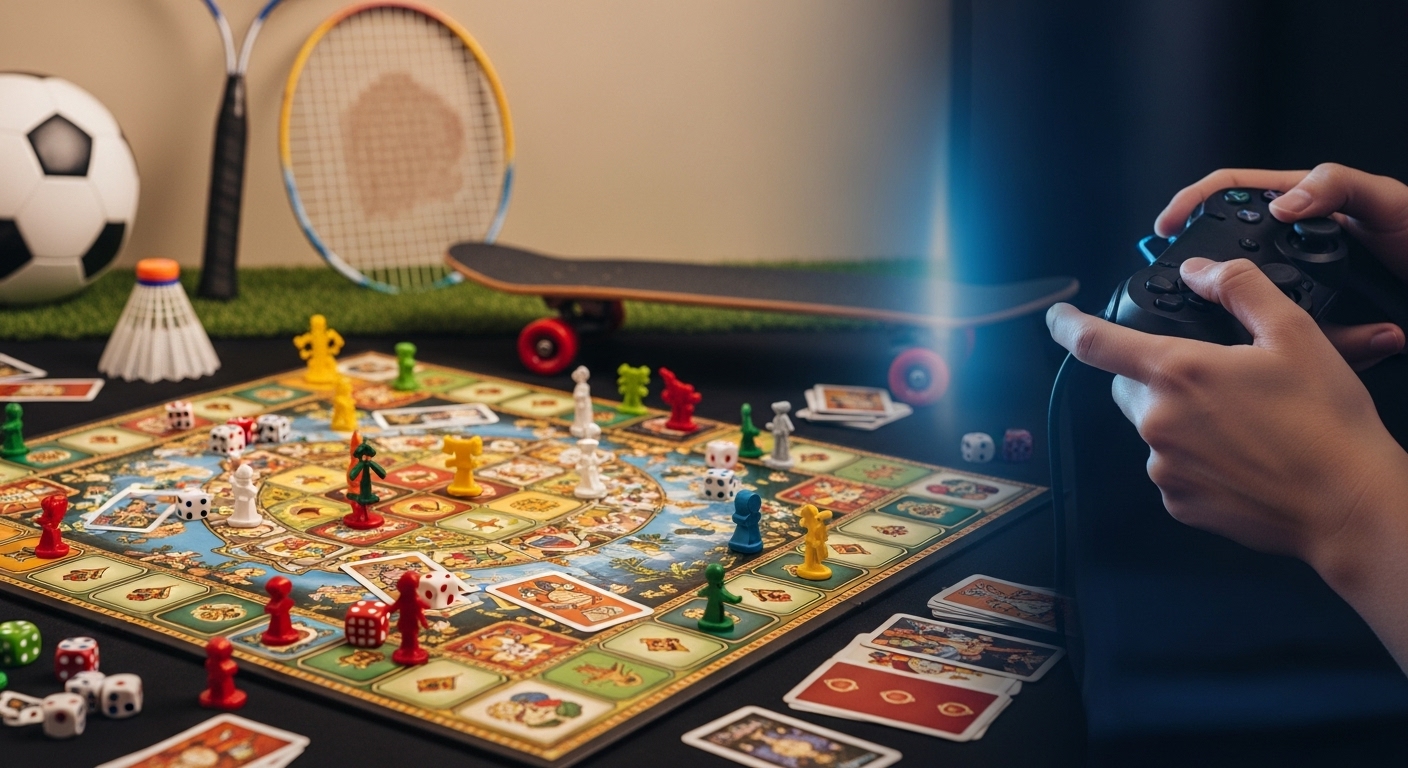
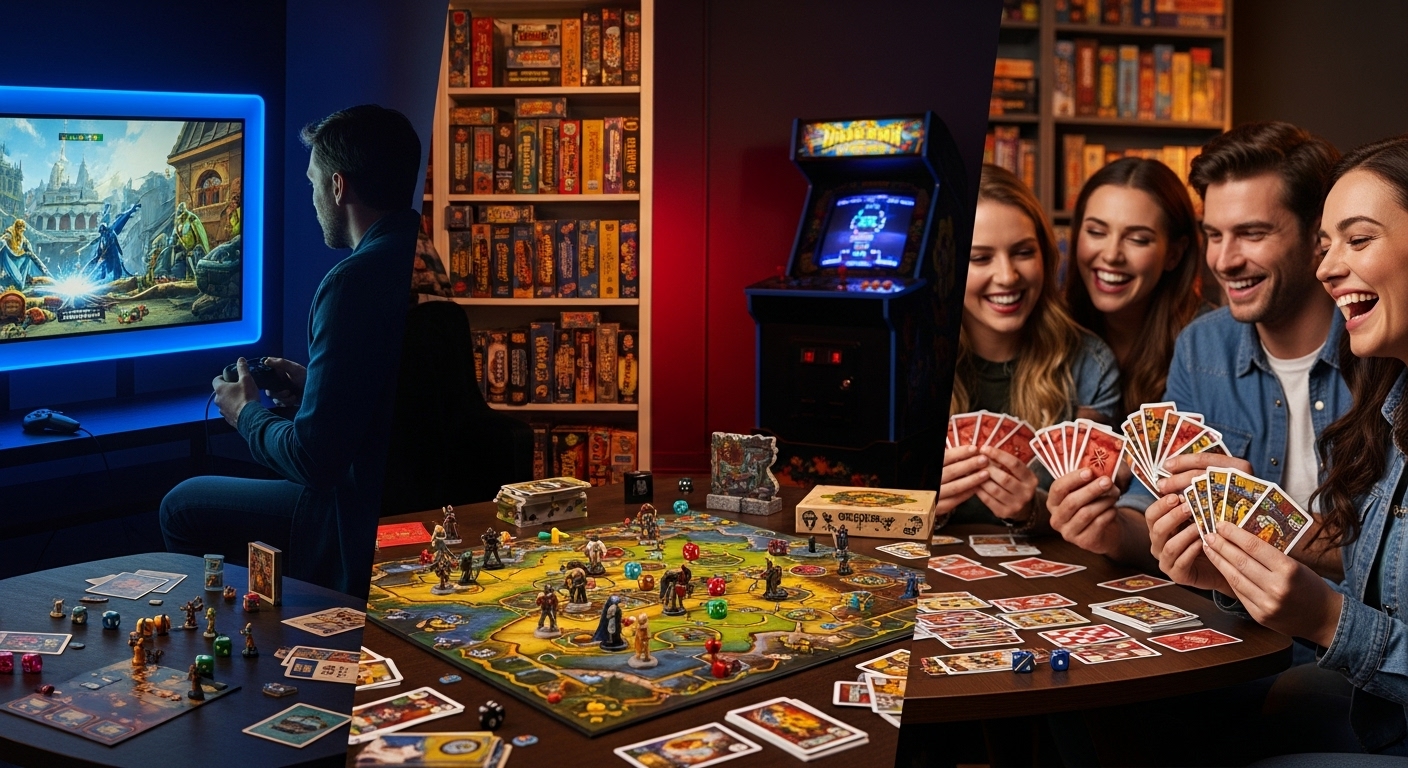
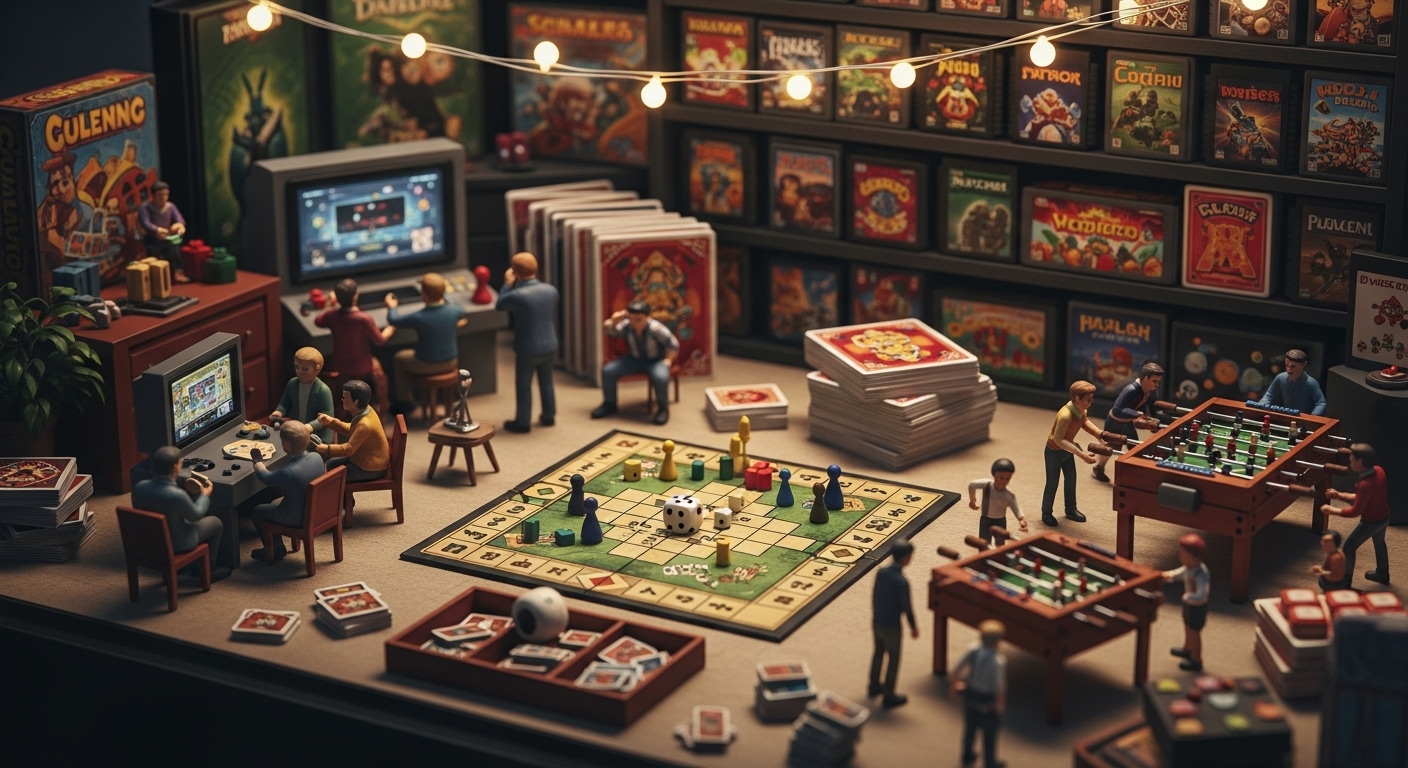
Games have always been more than a pastime. They are a reflection of human creativity, competition, and imagination. Whether it’s children playing tag in a field, families gathered around a board game, or millions of people battling in virtual worlds, games are a universal language of fun and connection. Over the centuries, games have evolved from simple physical activities to complex digital experiences that combine art, technology, and storytelling. In the modern world, games have become a cornerstone of global entertainment and education, influencing how we think, learn, and interact. This blog explores the deep impact of games on society, their evolution, and how they continue to shape the future of technology and culture.
The Ancient Roots of Play
Long before the digital era, games were woven into the fabric of human life. Archaeologists have discovered ancient game boards in Egyptian tombs and artifacts from Mesopotamia that show people played structured games thousands of years ago. Senet, believed to be one of the oldest known games, dates back over 5,000 years. In ancient China, the strategy game Go symbolized wisdom and mental discipline, while in India, the game of Chess was invented as a way to teach tactics and planning.
These games were more than entertainment; they were tools of learning, socialization, and even spirituality. They taught people patience, decision-making, and the importance of thinking ahead. Games in ancient societies reflected cultural beliefs, preparing players for real-life challenges. Through play, people learned how to cooperate, compete, and innovate—skills that remain essential in the modern world.
The Birth of Modern Gaming
The concept of gaming took a revolutionary turn in the twentieth century with the rise of digital technology. What began as a few lines of code written by computer scientists soon evolved into one of the most influential industries in the world. The 1970s introduced the first arcade games like Pong and Space Invaders, which sparked public fascination with interactive entertainment. For the first time, people could control what happened on a screen, blending skill and excitement in ways never seen before.
The following decades saw the rise of home gaming consoles. The Nintendo Entertainment System and Sega Genesis brought gaming into living rooms, making it a family activity. Characters like Mario, Sonic, and Link became household names and cultural icons. These early games combined creativity with challenge, teaching hand-eye coordination, problem-solving, and perseverance.
By the 1990s, technology had advanced enough to introduce 3D graphics, more complex storylines, and realistic sound design. Games like Final Fantasy, Tomb Raider, and The Legend of Zelda became immersive worlds where players could explore, dream, and experience stories as if they were part of them.
The Digital Revolution and Online Connectivity
The arrival of the internet in the late 1990s and early 2000s transformed gaming yet again. Online connectivity turned games into global experiences. Players could now compete or collaborate with others across continents. Multiplayer games such as Counter-Strike, World of Warcraft, and later Fortnite and Call of Duty created vast communities where teamwork and communication were essential.
Online gaming also gave birth to esports—a form of competitive gaming that now rivals traditional sports in popularity and revenue. Professional gamers compete in tournaments watched by millions, turning gaming into a legitimate career path. Esports teams, sponsorships, and fan bases mirror the structure of traditional sports leagues, showing how far gaming has come in terms of cultural and financial impact.
Streaming platforms have further expanded gaming’s reach. Gamers can share their live experiences with audiences around the world, creating a unique blend of entertainment and interactivity. This rise of gaming influencers has made games not just something to play but something to watch, discuss, and celebrate collectively.
The Psychological Impact of Games
Beyond entertainment, games have profound psychological benefits. They challenge the brain, enhance cognitive skills, and encourage strategic thinking. Studies have shown that playing games improves problem-solving abilities, memory, and attention to detail. Fast-paced games develop reflexes and decision-making under pressure, while puzzle and strategy games promote patience and logical reasoning.
Moreover, games serve as emotional outlets. They provide safe environments for experimentation and exploration, allowing players to experience success and failure without real-world consequences. Story-driven games often evoke deep emotional connections, letting players explore empathy, morality, and human relationships in interactive ways.
Gaming also plays a growing role in mental health. For many, it offers relaxation and stress relief after a long day. Cooperative games foster social interaction and teamwork, while solo adventures provide moments of reflection and focus. In an increasingly digital world, games offer both escape and connection—a duality that makes them uniquely powerful.
The Artistic Expression of Modern Games
Games are no longer just products; they are art forms. Developers use storytelling, visual design, and soundscapes to create immersive experiences that rival films and literature. Each game tells a story, not just through dialogue but through its atmosphere, music, and interactivity. The player becomes part of the story, influencing its outcome through their choices.
Games like The Last of Us, Journey, and Red Dead Redemption demonstrate how deeply emotional and thought-provoking gaming can be. These titles tackle complex themes like survival, morality, and human connection, showing that games can be both entertaining and meaningful. Music composition, animation, and voice acting in games have reached cinematic levels of quality, making the experience even more engaging.
Artistic diversity is also flourishing in the gaming industry. Indie developers, often small teams or even individuals, are creating unique games that experiment with style and storytelling. Their innovation has proven that powerful gaming experiences do not always require massive budgets—just creativity and heart.
The Rise of Mobile and Casual Gaming
The smartphone revolution has made gaming more accessible than ever. Mobile games have reached audiences across all age groups and backgrounds, breaking the stereotype that gaming is only for the young or tech-savvy. With games available on every phone, millions of people engage in play daily, whether during commutes, breaks, or leisure time.
Mobile gaming’s success lies in its simplicity and convenience. Games like Candy Crush, Clash of Clans, and Genshin Impact have captivated global audiences. The mobile platform has also introduced new genres, business models, and innovations such as touch controls and augmented reality experiences.
This accessibility has made gaming one of the most inclusive forms of entertainment. People no longer need expensive consoles or computers to enjoy quality games. With cloud technology now emerging, players can stream high-end games on their mobile devices, blurring the lines between platforms.
Educational and Therapeutic Uses of Games
Games are increasingly being recognized for their educational potential. Learning through play has always been effective, and digital games take this concept to a new level. Educational games teach math, science, history, and language skills in engaging ways that hold students’ attention. Simulations like flight or medical training games help professionals practice real-life skills in safe virtual environments.
Therapeutically, games have found uses in physical rehabilitation and mental therapy. Motion-based games encourage movement for patients recovering from injuries. Cognitive games assist those with memory or attention challenges. For individuals dealing with anxiety or depression, games offer safe spaces to relax, express creativity, and regain a sense of achievement.
Technology and the Future of Gaming
The future of games is being shaped by rapid technological advancements. Virtual Reality and Augmented Reality are redefining immersion, allowing players to physically interact with digital environments. In VR, you don’t just watch or control—you become part of the world. Augmented Reality, on the other hand, blends the real and digital, turning everyday surroundings into playgrounds for exploration and creativity.
Artificial Intelligence is another transformative force. AI-driven characters learn and adapt to player behavior, creating dynamic and unpredictable gameplay. Procedural generation, powered by AI, allows developers to build vast worlds that evolve over time. Cloud gaming is breaking hardware barriers, enabling players to stream complex games on any device without needing powerful computers.
These technologies promise a future where gaming is seamless, accessible, and limitless. Players may soon experience sensory feedback through haptic suits, explore metaverse environments where virtual lives mirror real ones, and participate in experiences that blend entertainment, education, and social interaction.
The Cultural and Social Influence of Games
Games have become a defining part of modern culture. They influence fashion, music, film, and even language. Iconic game characters and soundtracks are celebrated globally, and game-inspired art and merchandise fill homes and social spaces. Gaming events and conventions attract thousands of fans, celebrating creativity and community.
Moreover, games have sparked discussions about diversity, ethics, and representation. Developers are increasingly including characters from varied cultures, backgrounds, and abilities. Games now tell stories that address social issues, environmental awareness, and emotional growth. This shift has helped transform gaming from simple recreation into a form of cultural expression and social commentary.
Conclusion
From ancient stones to digital galaxies, the story of games is a story of human progress. Games continue to evolve alongside technology, becoming richer, smarter, and more connected. They teach us, challenge us, and bring us together in ways that few other mediums can.
The power of play lies not just in entertainment but in its ability to inspire imagination and foster connection. Whether you are exploring a fantasy world, solving a puzzle, or competing with friends, games remind us of our shared love for creativity, discovery, and joy. As we move into the future, one thing is certain: games will continue to shape our minds, our cultures, and the world we create together.