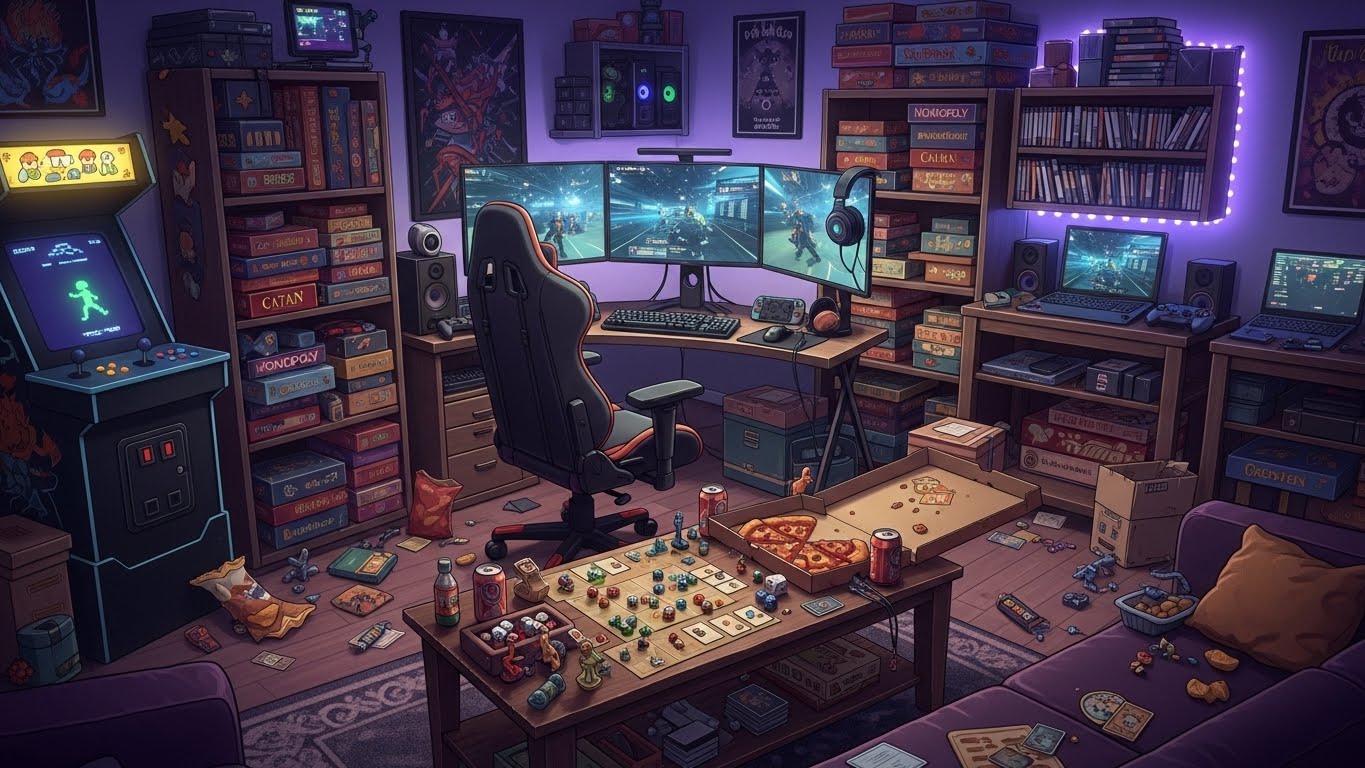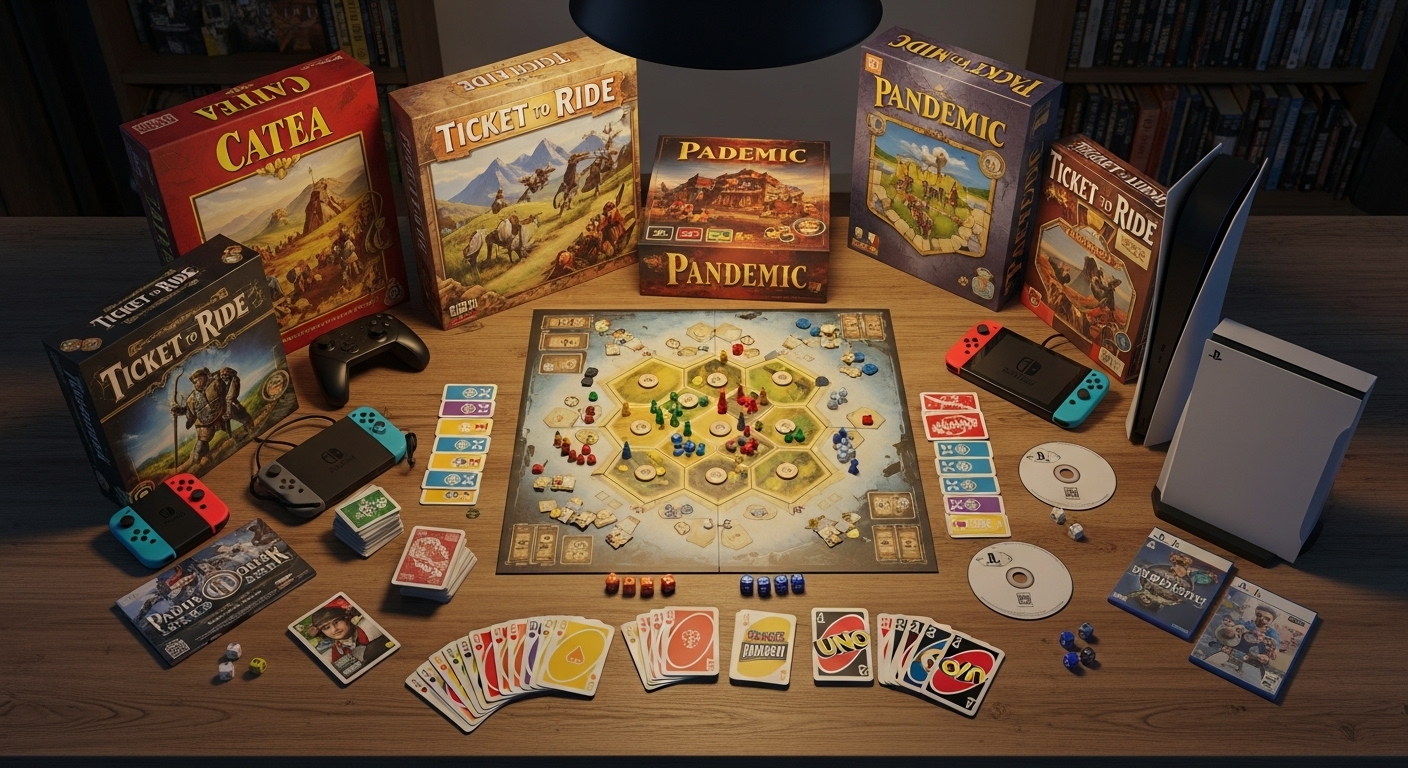
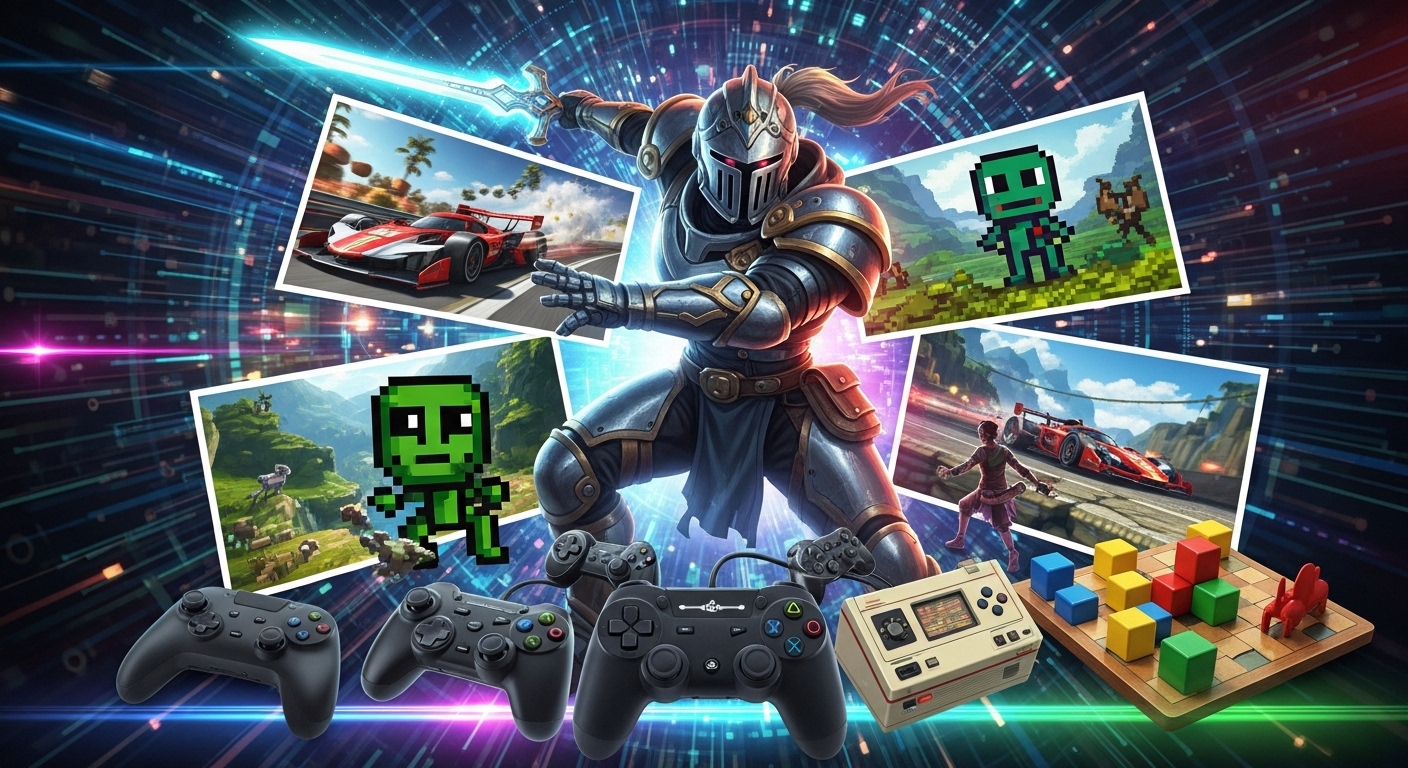
Games have always been more than just a pastime. From ancient board games to modern video games, they have shaped the way humans think, socialize, and entertain themselves. In today’s digital era, games are not only a source of fun but also a powerful tool for learning, creativity, and community building.
The Evolution of Games
Games have evolved dramatically over the years. Traditional games like chess, checkers, and card games laid the foundation for strategic thinking and social interaction. The advent of video games brought an entirely new dimension, blending storytelling, graphics, and interactivity. Today, games range from immersive role-playing adventures to fast-paced competitive experiences, offering something for every type of player.
The Rise of Video Gaming
Video games have become a dominant form of entertainment worldwide. They provide players with the opportunity to explore virtual worlds, solve complex puzzles, and test their skills in competitive environments. Beyond entertainment, video games also promote cognitive development by improving problem-solving abilities, hand-eye coordination, and strategic thinking.
Social Connection Through Games
Games are not just about individual enjoyment—they also foster social connections. Multiplayer games allow players to team up or compete with friends and strangers from around the world. Online communities form around shared interests, creating friendships and collaboration opportunities. Social gaming has made it possible for people to connect, communicate, and bond in ways that were previously unimaginable.
Games as a Learning Tool
Educational games are increasingly recognized for their ability to teach while entertaining. By combining fun with instruction, games can help children and adults alike develop critical skills such as math, language, and logical reasoning. Gamification, the integration of game mechanics into non-game contexts, has also been used in workplaces and classrooms to motivate engagement and enhance learning outcomes.
The Psychological Benefits of Gaming
Gaming is more than just entertainment; it also offers psychological benefits. It can reduce stress, provide a sense of achievement, and enhance creativity. Strategic and role-playing games encourage critical thinking and decision-making under pressure. Furthermore, immersive storytelling in games can promote empathy by allowing players to experience perspectives different from their own.
The Future of Gaming
The future of gaming promises even more innovation. Virtual reality and augmented reality are creating experiences that blur the line between the digital and physical worlds. Artificial intelligence is being used to craft dynamic game worlds that respond intelligently to player actions. As technology advances, games will continue to evolve, offering richer, more immersive, and meaningful experiences for players of all ages.
Conclusion
Games have transcended their role as mere entertainment to become powerful tools for learning, social connection, and personal growth. Whether played on a board, console, or mobile device, games enrich our lives by challenging our minds, connecting us with others, and offering endless avenues for creativity and exploration. In the world of modern culture, games are not just fun—they are essential.