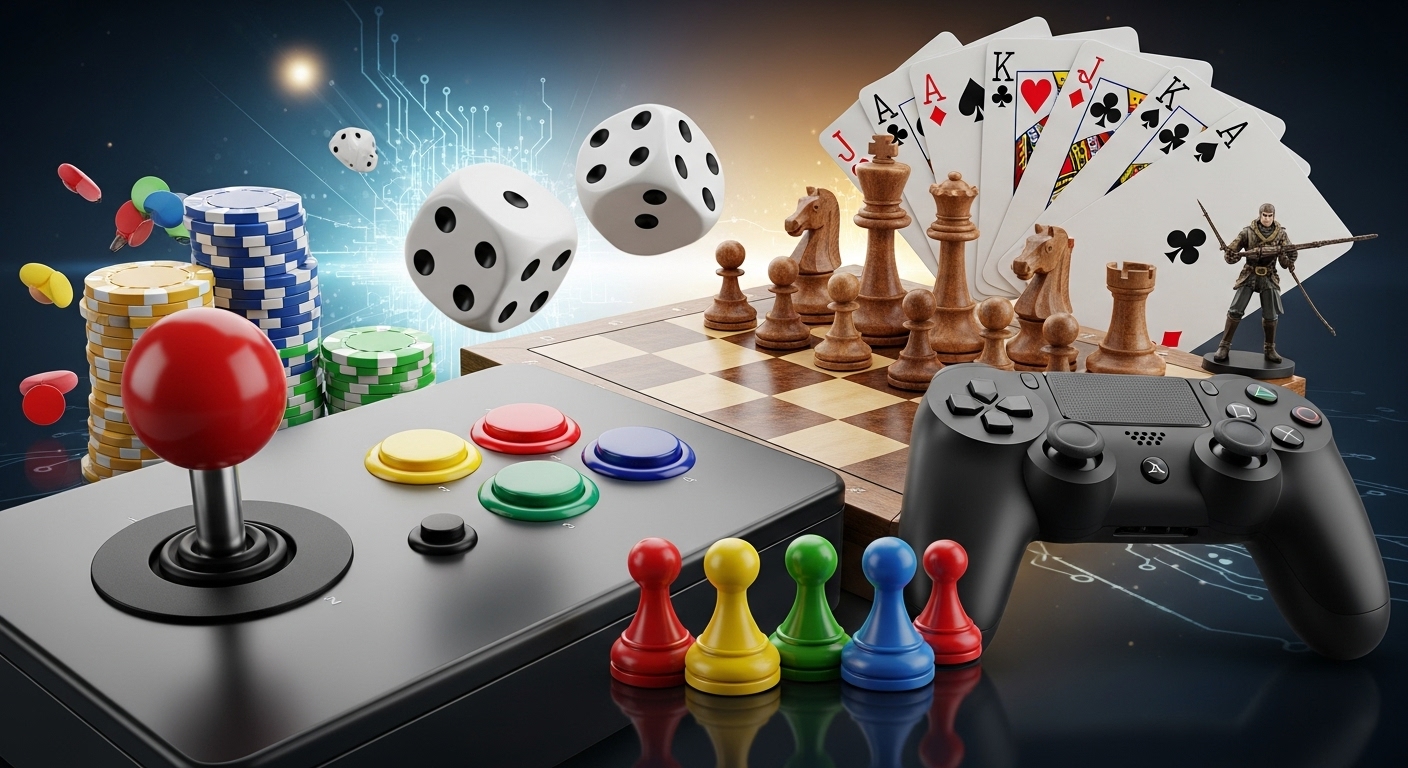

Games have been a part of human culture for centuries, evolving from simple board games to highly immersive digital experiences. Today, games are not just a way to pass time—they are tools for learning, creativity, and social interaction.
A Brief History of Games
Games have existed in various forms throughout history. Ancient civilizations enjoyed board games and physical challenges that tested skill and strategy. With the advent of technology, video games emerged, offering interactive experiences that were once unimaginable. Modern games now include complex storylines, realistic graphics, and online multiplayer modes, making gaming a global phenomenon.
The Mental Benefits of Gaming
Playing games is not only fun but also beneficial for the brain. Strategy and puzzle games improve problem-solving abilities and logical thinking. Fast-paced action games enhance hand-eye coordination and reflexes. Role-playing games encourage creativity and decision-making. In many ways, games provide a workout for the mind, challenging players to think critically and adapt quickly.
Games as a Social Platform
Modern gaming often brings people together. Online multiplayer games allow players to connect with friends or strangers worldwide. Teamwork, communication, and collaboration are essential for success in many games. Through gaming, players can build communities, share experiences, and develop meaningful relationships that extend beyond the screen.
Storytelling in Games
Games are increasingly becoming a powerful storytelling medium. Unlike books or movies, games allow players to participate in the narrative, making choices that affect the outcome. This interactive nature creates a deeper emotional connection and makes the gaming experience more engaging and memorable.
The Future of Gaming
The gaming industry is constantly evolving. Virtual reality, augmented reality, and artificial intelligence are pushing the boundaries of what is possible. Future games will offer even more immersive experiences, blending reality and imagination while providing opportunities for learning, creativity, and social interaction.
Conclusion
Games are far more than simple entertainment. They stimulate the mind, foster social connections, and tell compelling stories. Whether enjoyed casually or competitively, games enrich our lives and inspire creativity. In a world full of distractions, games stand out as a source of challenge, fun, and connection for people of all ages.