
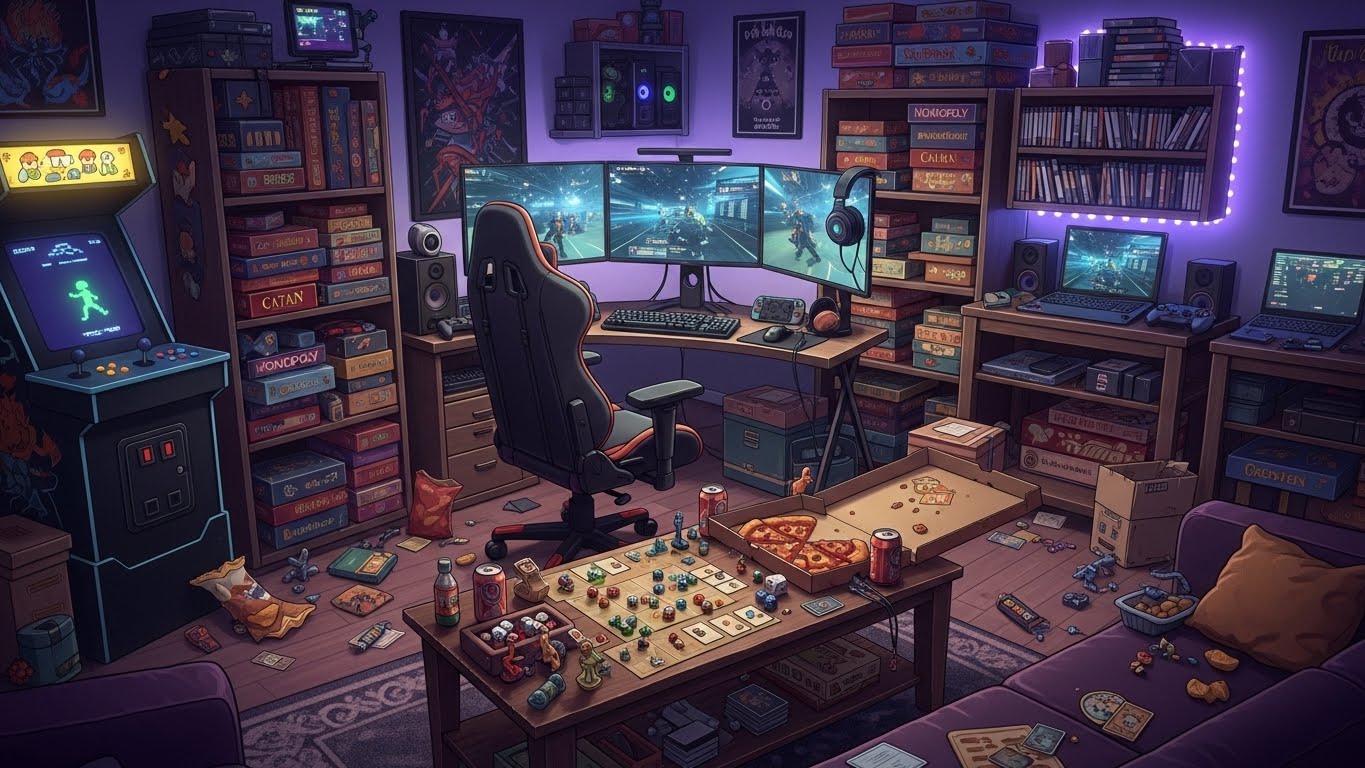
In the ever-evolving world of entertainment, few industries have seen such explosive growth and transformation as the gaming sector. From humble beginnings in arcades to the sophisticated, immersive experiences of today’s console and PC games, gaming has become a massive global phenomenon. It’s not just about entertainment anymore—it’s a way of life for millions of people worldwide, spanning all age groups, cultures, and demographics. In this blog post, we’ll explore the fascinating world of games, from their evolution and cultural impact to the technologies shaping their future.
The Evolution of Video Games: From Pixels to Realism
Video games have come a long way since their inception in the 1950s and 1960s. The earliest video games were simple, single-screen affairs running on basic hardware. Pong, released in 1972 by Atari, is considered one of the first commercially successful arcade games. With its simple two-paddle, ball-bouncing gameplay, Pong laid the groundwork for future game development.
The 1980s and 1990s brought iconic titles such as Super Mario Bros., Pac-Man, and The Legend of Zelda. These games showcased the potential of storytelling, side-scrolling gameplay, and level design. The introduction of 3D graphics in the 1990s, with games like Super Mario 64 and The Legend of Zelda: Ocarina of Time, created immersive worlds and deep narratives, setting the stage for modern gaming.
The Rise of Online Gaming
The internet revolutionized gaming, connecting players worldwide. Early online multiplayer games like Quake and Counter-Strike allowed competitive gameplay beyond local networks. Massively multiplayer online games (MMOs) like World of Warcraft created expansive virtual worlds where players could socialize, complete quests, and compete in large-scale events.
Today, online gaming thrives with titles like Fortnite, League of Legends, and Call of Duty: Warzone. Fast internet connections and mobile platforms make it easier than ever for players to engage in multiplayer experiences, fostering global communities and competitive gameplay.
Gaming Consoles and Platforms
Gaming consoles have been central to the industry’s growth. Early systems like the Atari 2600 and Nintendo Entertainment System brought gaming into homes. Later consoles, including the PlayStation and Xbox, enhanced graphics, processing power, and online connectivity.
Modern consoles, such as the PlayStation 5, Xbox Series X, and Nintendo Switch, offer ultra-fast loading, high-definition graphics, and immersive gameplay. These platforms have become hubs for entertainment, combining gaming with streaming services, social interaction, and creative applications.
Mobile Gaming: A Revolution in Accessibility
Mobile gaming has transformed accessibility. Smartphones allow gaming anywhere, anytime, reaching billions of players. Popular mobile titles like Candy Crush Saga, Pokémon GO, and Clash of Clans demonstrate the global appeal of mobile games. Free-to-play models with optional in-game purchases have created new monetization strategies and broadened the gaming audience.
Mobile games may be simpler than console or PC games, but they introduce innovative mechanics and social interactions, making gaming an everyday activity for millions worldwide.
The Impact of Esports
Esports, or competitive gaming, has become a billion-dollar industry. Tournaments like the League of Legends World Championship and The International for Dota 2 draw massive audiences. Professional esports players enjoy celebrity status, with sponsorships and media coverage rivaling traditional sports.
Esports influences game development, encouraging competitive-focused design. Games like Overwatch, Fortnite, and Valorant thrive in the esports ecosystem. Competitive gaming has also increased societal acceptance of gaming as a legitimate pastime and career path.
The Role of Storytelling in Games
Storytelling in games has evolved dramatically. Modern games like The Last of Us, Red Dead Redemption 2, and BioShock Infinite integrate narrative depth with gameplay. Players become active participants in the story, making choices that impact the game world. Interactive storytelling adds emotional resonance and replayability, demonstrating that games can be as compelling as literature or film.
Branching narratives and choice-driven gameplay allow each player to experience unique outcomes, increasing engagement and fostering emotional connections with characters and worlds.
Virtual Reality and Artificial Intelligence
Emerging technologies like virtual reality (VR) and artificial intelligence (AI) are shaping the future of gaming. VR headsets provide immersive experiences, allowing players to explore 3D environments physically. AI enhances game realism by creating intelligent non-player characters and adaptive storylines.
Cloud gaming enables high-quality experiences on devices without powerful hardware. Platforms like Google Stadia and Xbox Cloud Gaming make gaming more accessible, allowing instant play across devices and connecting broader audiences to premium content.
Gaming as a Cultural Phenomenon
Games have become an integral part of culture, influencing music, fashion, and social interaction. Gaming communities provide spaces for collaboration, creativity, and socialization. Streamers, content creators, and online forums extend the gaming experience beyond gameplay, creating shared experiences and global trends.
Educational and serious games demonstrate gaming’s potential for learning, problem-solving, and skill development. Gamification principles are used in various industries to enhance engagement, showcasing games’ influence beyond entertainment.
The Future of Gaming
The future of gaming is poised for innovation. Technologies such as augmented reality (AR), AI-driven narratives, VR, and blockchain are redefining interactive experiences. Games will continue to be more personalized, immersive, and socially connected.
Mobile and cloud platforms will make gaming increasingly accessible. Esports, live streaming, and competitive communities will expand globally, and storytelling in games will continue to reach new creative heights. As the industry evolves, gaming is becoming an essential part of entertainment, culture, and social interaction.
Conclusion
Games have transformed from simple pixelated diversions into complex, immersive experiences that captivate millions worldwide. Whether through consoles, PCs, mobile devices, or emerging technologies, gaming connects people, stimulates creativity, and offers endless possibilities for entertainment. The industry continues to innovate, integrating storytelling, competition, and technology to shape a vibrant future. Gaming is no longer just a hobby—it is a cultural force, a social connector, and a frontier of interactive entertainment. The journey of games has only begun, and the next era promises experiences more immersive, creative, and engaging than ever before.