Introduction: The Universal Appeal of Games
Games have been a part of human life for thousands of years. From ancient board games like Senet in Egypt to modern video games on consoles and computers, games entertain, challenge, and inspire people of all ages. They are more than just leisure activities; games are a medium for learning, social interaction, and personal growth. The universal appeal of games lies in their ability to engage players, spark imagination, and provide a sense of achievement. This blog explores the role of games in education, culture, technology, and society, highlighting how they continue to shape human experience.
The History of Games
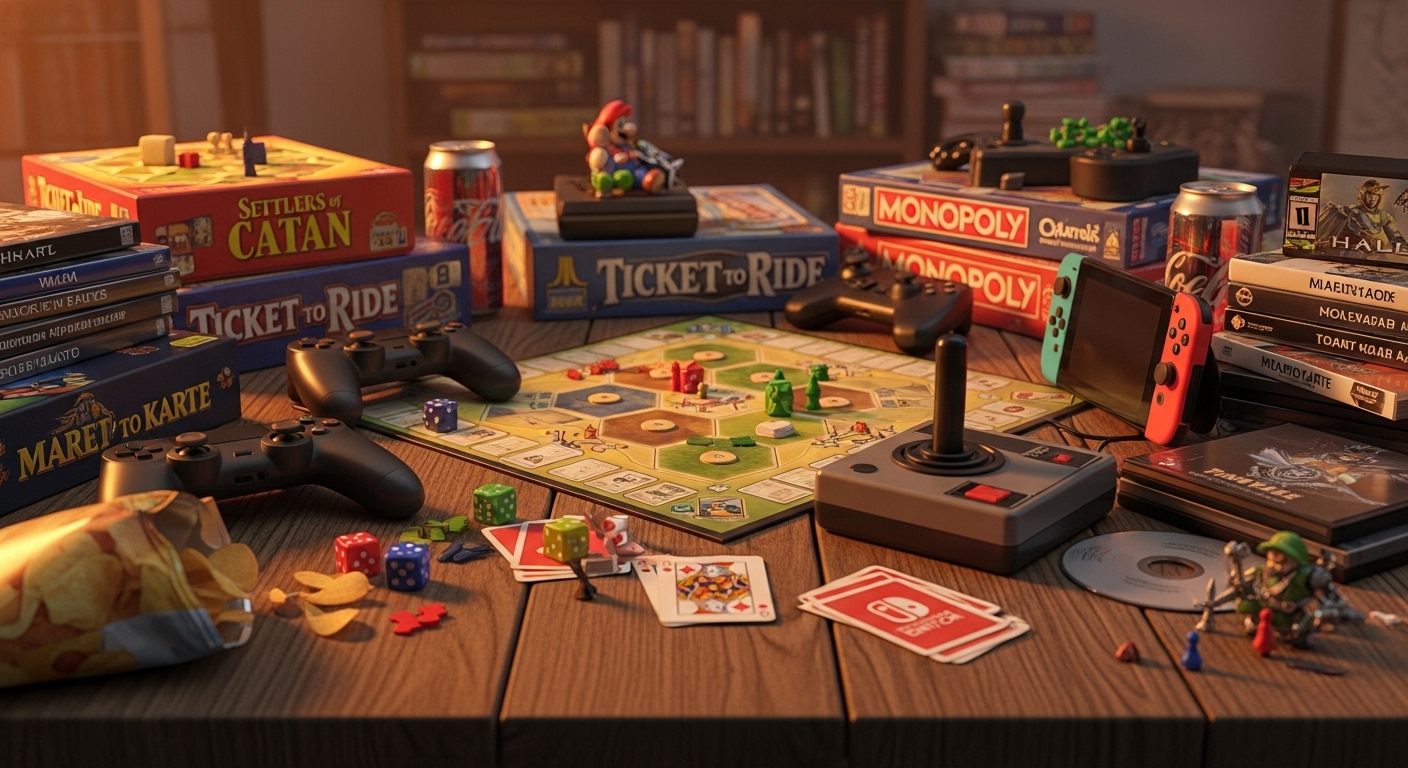
Games have existed in human society since ancient times. Early civilizations invented games as forms of entertainment, strategy, and social engagement. Board games, dice games, and competitive sports were popular ways to develop problem-solving skills and foster community. In medieval Europe, card games and strategic games like chess gained prominence. In the modern era, the rise of video games has revolutionized how people interact with games, offering immersive experiences that combine storytelling, strategy, and skill. The evolution of games demonstrates humanity’s enduring fascination with play and competition.
The Psychological Benefits of Gaming
Games are more than a pastime; they have significant psychological benefits. Playing games enhances cognitive functions such as memory, attention, and problem-solving skills. Strategy games encourage planning and foresight, while puzzle games improve analytical thinking. Games also provide a safe environment to experiment with decision-making, consequences, and creative thinking. In addition to cognitive benefits, games can reduce stress, boost mood, and provide a sense of accomplishment. They allow individuals to escape from daily pressures while honing skills that can be applied in real-life situations.
Physical and Motor Skills in Games
Physical games and activities are essential for developing motor skills, coordination, and overall fitness. Sports, dance-based games, and interactive digital games like motion-controlled consoles enhance physical activity while being enjoyable. Even non-physical games, such as competitive video games, require hand-eye coordination, reflexes, and fine motor skills. Games are effective in teaching discipline, perseverance, and spatial awareness. They demonstrate that play is not merely recreational; it contributes to holistic development, combining mental and physical engagement.
Educational Games: Learning Through Play
Games have long been recognized as powerful educational tools. Educational games engage students by combining learning objectives with fun challenges. These games enhance knowledge retention, critical thinking, and problem-solving abilities. For example, history-based games immerse players in historical events, teaching context and strategy. Math or science games provide interactive ways to understand complex concepts. Gamification in classrooms, such as point systems or progress tracking, encourages participation and motivation. Learning through play makes education enjoyable, effective, and memorable.
The Social Impact of Games
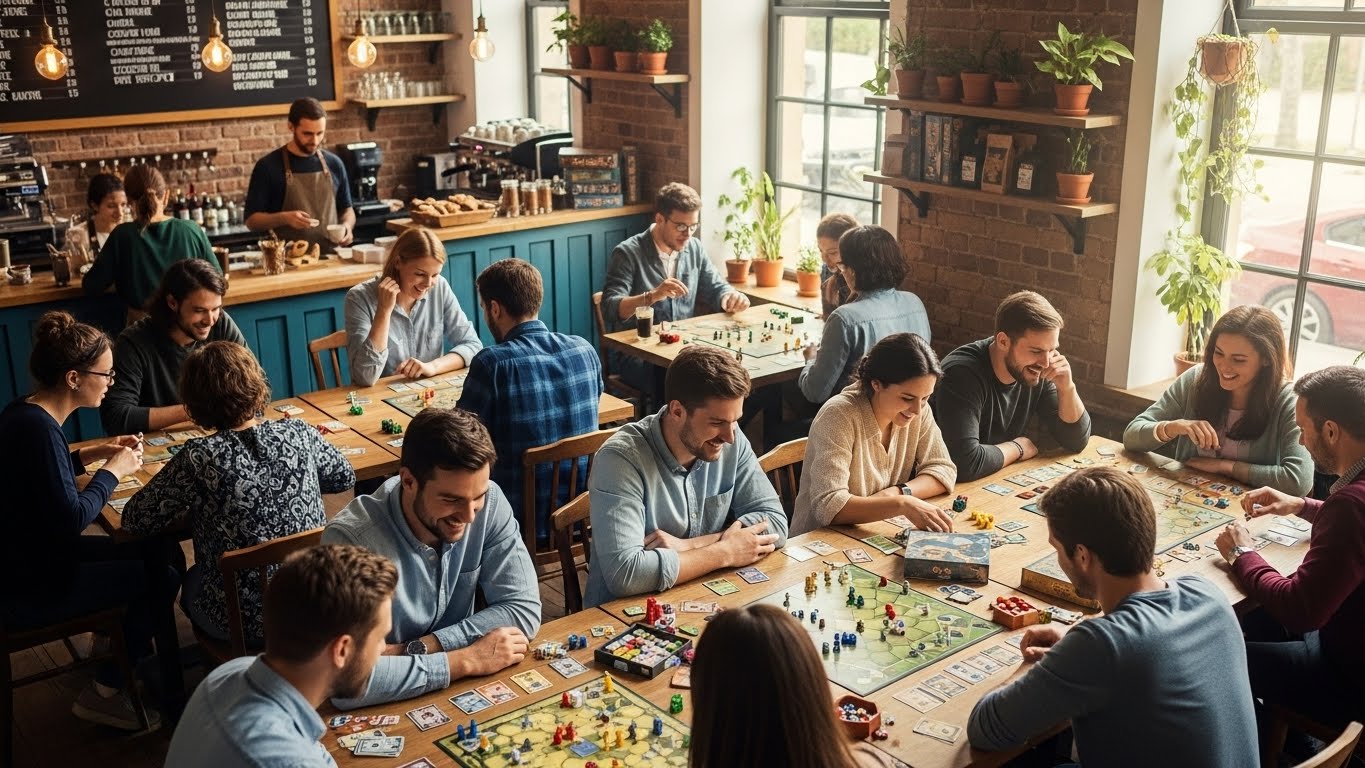
Games foster social interaction and community building. Board games, card games, and multiplayer video games encourage collaboration, communication, and teamwork. Playing together strengthens friendships, family bonds, and social skills. Online multiplayer platforms create global communities where players connect, compete, and cooperate across cultures. Competitive games teach negotiation, strategy, and adaptability, while cooperative games highlight empathy and shared goals. Games create opportunities for social bonding, demonstrating their importance beyond entertainment.
Games and Culture
Games are deeply intertwined with culture. Traditional games reflect local customs, values, and historical context. For example, Mancala in Africa or Go in East Asia embodies centuries of cultural significance and strategic thinking. Modern digital games often incorporate cultural narratives, myths, and folklore, providing players with insights into different societies. Games also influence popular culture, shaping movies, music, and literature. They serve as cultural touchstones, bridging generations and connecting people worldwide through shared experiences.
Video Games: A Modern Revolution
Video games have revolutionized the concept of play. Unlike traditional games, digital games offer immersive experiences with storytelling, graphics, and interactivity. They challenge players through levels, missions, and objectives, fostering strategic thinking and reflexive skills. Video games also offer opportunities for creativity, allowing players to build virtual worlds or customize characters. Esports, a branch of competitive video gaming, has transformed games into professional careers and global entertainment spectacles. Video games demonstrate how technology has expanded the possibilities of play, making it more interactive and engaging than ever before.
Games and Technology: Shaping the Future
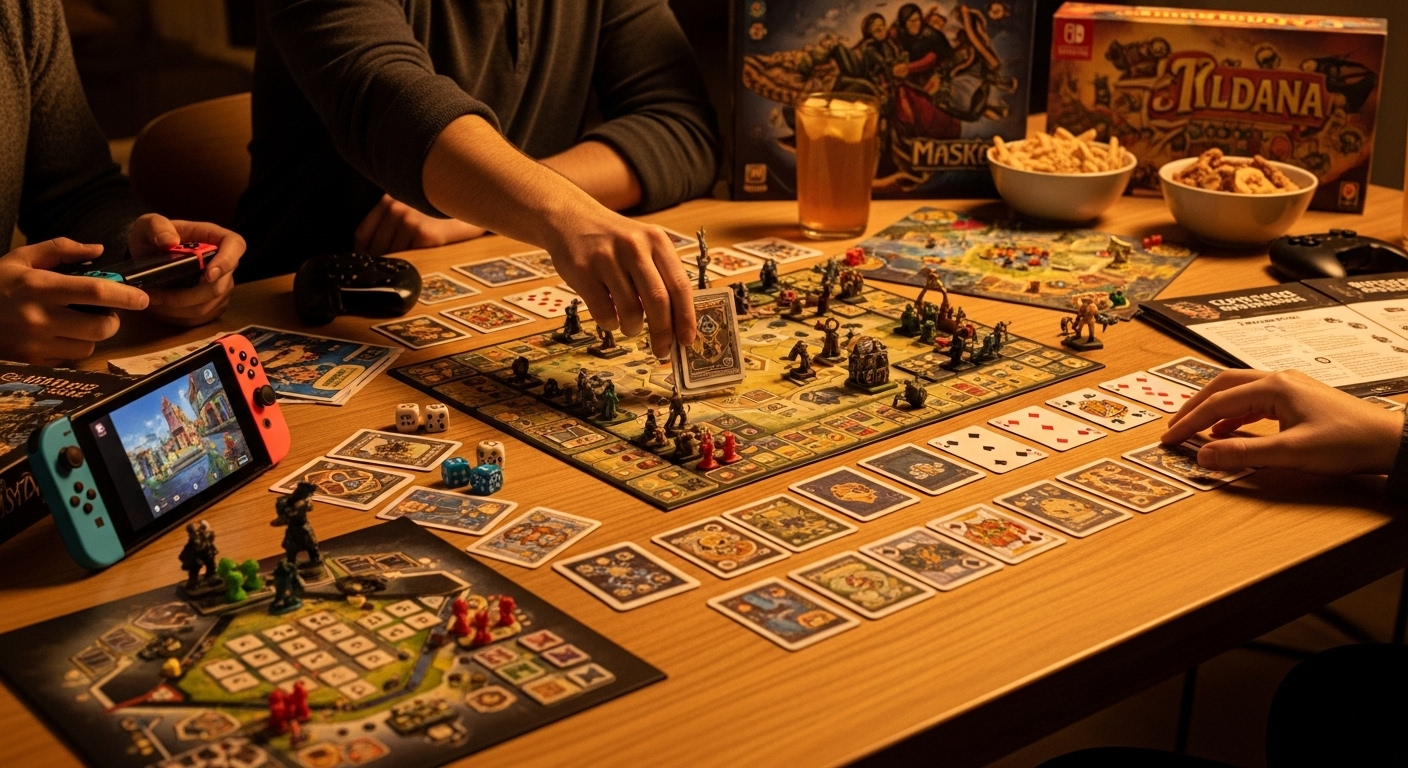
Technology has significantly transformed the gaming experience. Virtual reality (VR) and augmented reality (AR) games create immersive worlds that respond to player actions. Motion sensors and interactive consoles encourage physical activity while maintaining fun. Artificial intelligence in games adapts challenges based on skill levels, providing personalized experiences. Mobile gaming has made games accessible anywhere, allowing players to connect and compete on the go. Technology has expanded the scope of games, blending entertainment, education, and social interaction in innovative ways.
The Role of Games in Mental Health
Games can positively impact mental health when played responsibly. They provide stress relief, relaxation, and emotional engagement. Certain games help improve focus, concentration, and problem-solving abilities, which can be therapeutic. Cooperative and social games encourage interaction and reduce feelings of isolation. Moreover, role-playing games allow players to explore identity, empathy, and decision-making in controlled environments. Games can be powerful tools for mental stimulation, emotional regulation, and cognitive enhancement.
Competitive Gaming and Esports
Competitive gaming, or esports, has elevated games to a professional and global level. Players compete individually or as teams in organized tournaments with significant prizes and recognition. Esports fosters strategic thinking, teamwork, and discipline, similar to traditional sports. Professional gaming has also created career opportunities in coaching, streaming, analysis, and event management. The popularity of esports demonstrates how games can evolve from recreational activities into organized, high-stakes competitions with social, cultural, and economic significance.
Games as Creative Expression
Games are also a form of creative expression. Many games allow players to build virtual worlds, design characters, and create narratives. Sandbox games like Minecraft or creative simulation games offer unlimited opportunities for imagination and experimentation. Players can solve challenges in multiple ways, reflecting individual creativity and decision-making. Game design itself is a creative industry, blending art, storytelling, programming, and music to create engaging experiences. Games empower players and developers alike to express ideas and explore innovation.
Challenges and Considerations
While games offer many benefits, there are challenges to consider. Excessive gaming can lead to physical strain, reduced social interaction, and decreased productivity. Online games may expose players to toxic behavior, harassment, or addiction. Balancing screen time with physical activity and other responsibilities is crucial. Parents, educators, and players should encourage responsible gaming habits to ensure the benefits of play are maximized without negative consequences. Awareness and moderation are key to maintaining a healthy gaming lifestyle.
The Future of Games
The future of games is bright, driven by technological innovation, creativity, and cultural engagement. Virtual reality, artificial intelligence, and cloud gaming are expanding how games are designed, experienced, and shared. Games will continue to integrate educational, social, and cultural elements, making play more enriching and inclusive. The boundaries between physical and digital play will blur, creating new possibilities for interaction, learning, and entertainment. Games are poised to remain a central aspect of human culture, shaping the way we connect, learn, and compete.
Conclusion: The Lasting Impact of Games
Games are far more than leisure activities; they are tools for learning, creativity, socialization, and personal growth. They challenge the mind, develop skills, and provide entertainment across generations. Whether traditional board games, digital video games, or competitive esports, games influence culture, technology, and society. They foster collaboration, strategic thinking, and emotional resilience while offering opportunities for career development and creative expression. As games continue to evolve, they remain a powerful medium that enriches lives, builds communities, and shapes the way humans interact with the world.