Introduction: The Power of Play
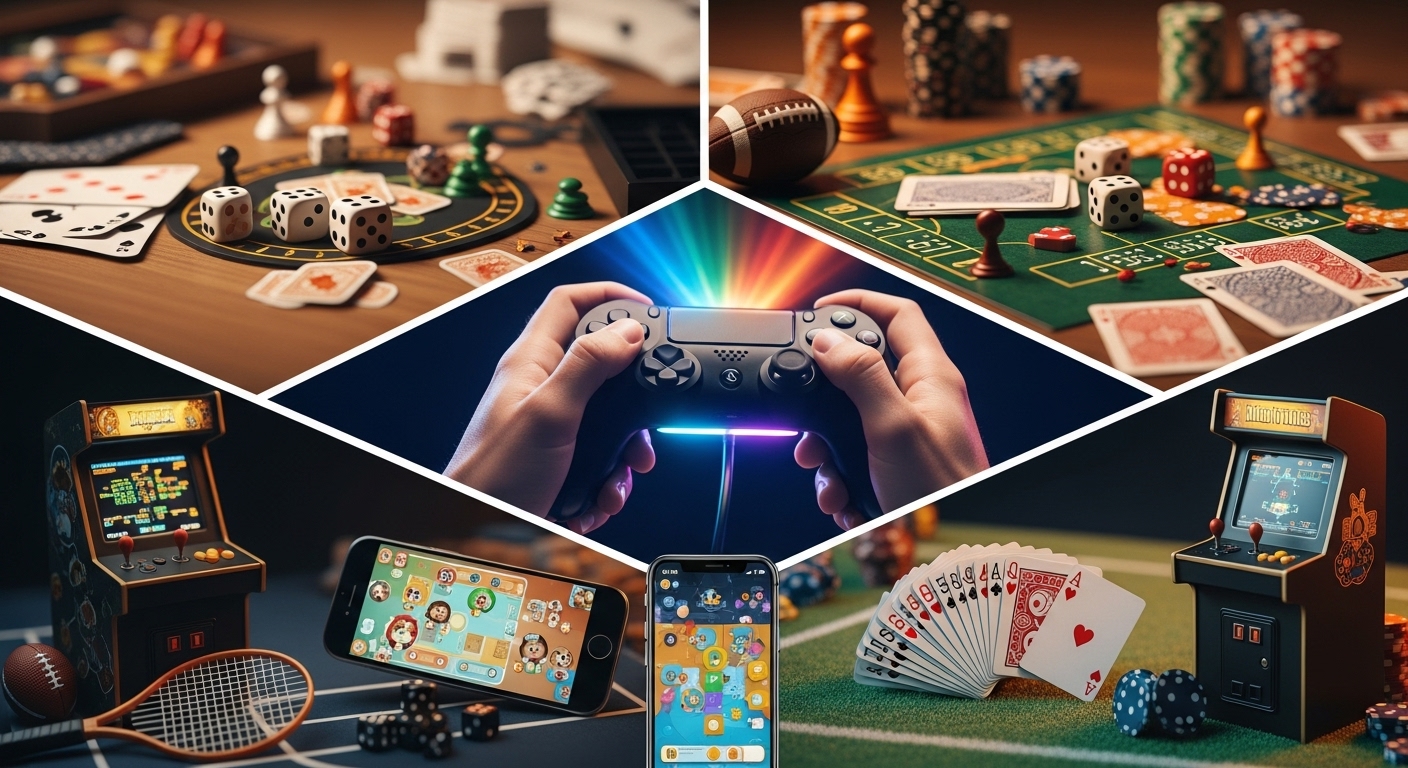
Games have always been an essential part of human culture, offering entertainment, challenge, and social interaction. Whether it’s a childhood board game, a casual mobile app, or a high-stakes eSports tournament, gaming has the power to captivate, teach, and connect. Over the years, the gaming world has undergone a dramatic transformation, evolving from simple pixelated screens to incredibly immersive, lifelike virtual worlds. In this blog, we’ll explore the history of gaming, its current impact, and what the future holds for this dynamic and ever-expanding industry.
The Beginnings: Gaming in its Infancy
The history of gaming dates back to the early 20th century, with the first video game systems emerging in the 1950s and 1960s. Early games like Tennis for Two and Pong set the stage for a revolution in entertainment. These simple games, using basic graphics and minimal controls, provided a glimpse into the potential of digital play.
In the 1970s and 1980s, arcade games like Space Invaders, Pac-Man, and Donkey Kong brought video games into mainstream culture. These early titles were not just games—they were social experiences. Arcade halls became places for people to meet, compete, and show off their high scores. This period laid the foundation for gaming as a form of both personal entertainment and a shared social experience.
The Rise of Consoles and the Home Gaming Revolution
In the 1990s, the arrival of home gaming consoles like the Sony PlayStation, Nintendo 64, and Sega Genesis changed the landscape of gaming. Suddenly, people could enjoy high-quality video games in the comfort of their own homes, making gaming a personal, immersive experience. Titles like Super Mario 64, Final Fantasy VII, and The Legend of Zelda: Ocarina of Time not only introduced cutting-edge graphics and sound but also deep narratives, complex characters, and expansive worlds that pushed the limits of what games could achieve.
This era marked a key turning point in gaming’s evolution from a simple hobby to a cultural phenomenon. As consoles became more powerful, games grew in scale, complexity, and interactivity. Developers began to experiment with new genres, from platformers and fighting games to role-playing games (RPGs) and first-person shooters (FPS).
The Digital Revolution: Online and Mobile Gaming
By the mid-2000s, the rise of the internet and mobile phones further transformed the gaming landscape. The introduction of online multiplayer games, such as World of Warcraft, Halo 2, and Call of Duty, allowed gamers to connect with others around the world, creating massive online communities. Players could now form teams, compete against each other, and build relationships that extended far beyond the game itself.
Mobile gaming, with the release of smartphones and tablets, took gaming to an even broader audience. Games like Angry Birds, Candy Crush, and Pokémon GO were designed for short, accessible gameplay, attracting millions of casual gamers who had never picked up a console controller. Mobile gaming became an everyday form of entertainment for people of all ages, further solidifying the idea that games were not just for the “hardcore” audience but for everyone.
The World of eSports: A New Frontier for Competitive Gaming
In recent years, eSports has emerged as one of the fastest-growing sectors in the gaming industry. Competitive gaming tournaments for games like League of Legends, Dota 2, and Counter-Strike: Global Offensive have turned into global spectacles, with prize pools worth millions of dollars and millions of viewers tuning in from around the world. What was once considered a niche hobby has transformed into a legitimate professional career path for gamers, with entire organizations and sponsorships dedicated to eSports.
eSports has opened up new opportunities for players, content creators, coaches, analysts, and broadcasters, making it a multifaceted industry. Major events like The International, the League of Legends World Championship, and the Overwatch League have drawn large audiences, both in person and through streaming platforms like Twitch and YouTube. These events showcase not only the skill of the players but the dedication, strategy, and teamwork involved in competitive gaming.
Gaming and Social Interaction: More Than Just Play
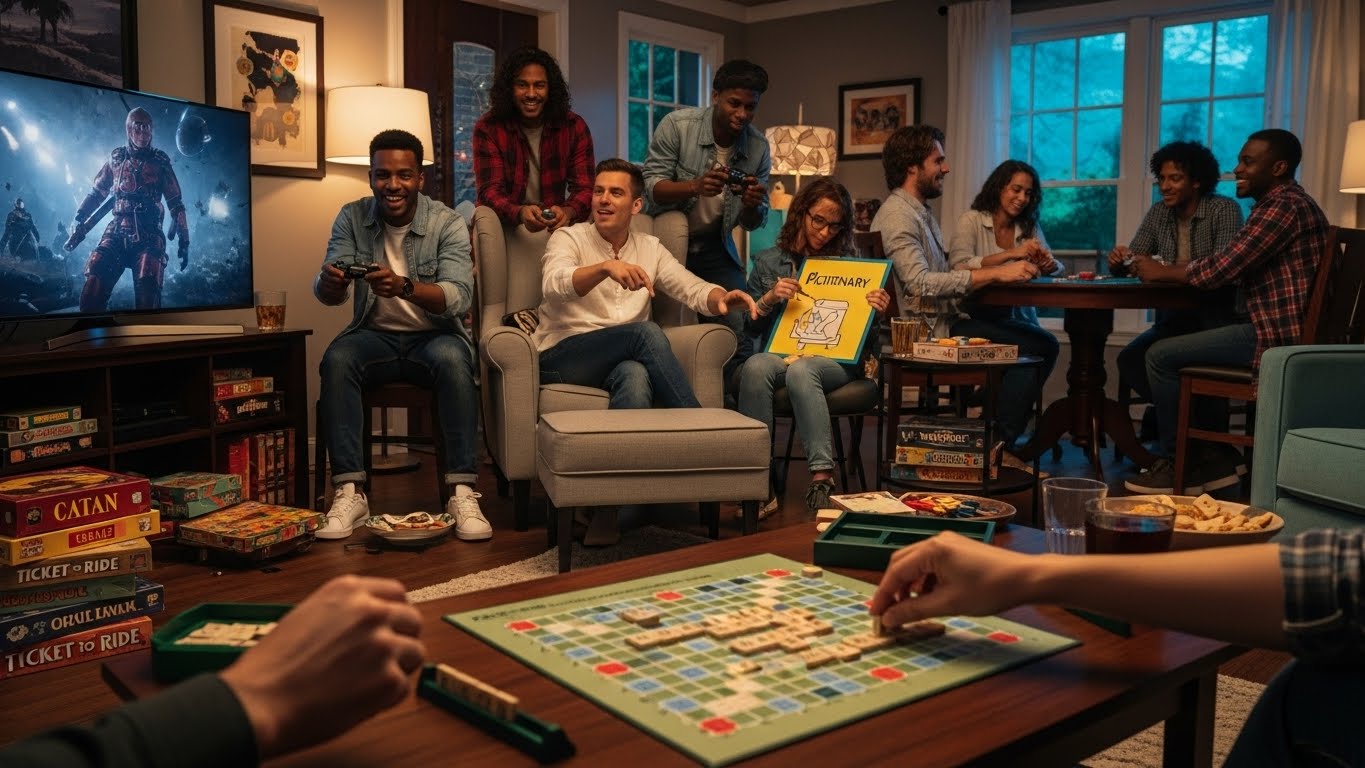
While gaming has always been about entertainment, it has become increasingly social in recent years. Multiplayer online games have evolved into platforms for socializing, forming communities, and connecting with friends, family, and even strangers from different parts of the world. Games like Fortnite, Minecraft, and Among Us allow players to work together, solve problems, and create shared experiences—making them virtual spaces where people come together to have fun.
These games foster collaboration and communication, allowing players to develop skills such as leadership, problem-solving, and teamwork. For many, online gaming has become a key social outlet, especially during times when physical isolation or social distancing is required. In fact, gaming has become an essential tool for maintaining friendships, building new ones, and finding a sense of belonging.
The Future of Gaming: Virtual Reality and Beyond
Looking ahead, the future of gaming seems incredibly exciting. One of the most talked-about developments is Virtual Reality (VR). VR gaming has the potential to completely immerse players in a fully interactive 3D world, offering an experience far beyond traditional gaming. Games like Beat Saber and Half-Life: Alyx have shown just how immersive and innovative VR can be, creating a new type of gameplay where players physically move, interact, and experience a game in real-time.
As VR technology improves and becomes more affordable, it’s expected that virtual worlds will become more lifelike, offering experiences that rival reality itself. Augmented Reality (AR), where digital elements are superimposed onto the real world, will also play a significant role in gaming’s evolution. The success of Pokémon GO has shown how AR can enhance gameplay and bring the virtual world into our everyday lives.
Additionally, advancements in artificial intelligence (AI) could lead to even more dynamic, reactive game environments where NPCs (non-playable characters) adapt to player behavior in real-time. The development of AI-driven narratives and gameplay mechanics will create games that are truly personalized, offering an unprecedented level of immersion and interactivity.
Conclusion: Gaming as a Cultural Cornerstone
Gaming has come a long way from its early days of simple pixelated screens to becoming a global cultural cornerstone. From entertainment and social interaction to professional careers and immersive experiences, games are more than just play—they shape how we live, connect, and understand the world around us.
As the industry continues to evolve, gaming will undoubtedly remain a central part of modern culture. Whether it’s competitive eSports, social gaming platforms, or cutting-edge VR experiences, the future of gaming is filled with limitless potential. For players, developers, and fans alike, it’s an exciting time to be part of this ever-expanding digital universe.