Gaming has long transcended its roots as a mere pastime, growing into an expansive culture that captivates millions worldwide. It’s no longer just about playing a game—it’s about experiencing an entire universe of creativity, competition, and innovation. From pixelated characters to hyper-realistic graphics, the journey of gaming is as diverse as the gamers themselves. Let’s dive into the rich history of video games, explore the technology that powers them, and reflect on the future of the industry.
The Humble Beginnings of Video Games
In the early days, video games were a simple form of entertainment, existing mostly in arcades. Think back to iconic titles like Pong or Space Invaders, which required little more than basic controls and straightforward objectives. The graphics were minimal, the sound effects were basic, and the gameplay was centered around simple challenges. Yet, these primitive games laid the foundation for an entire industry.
As technology evolved, so did the gaming experience. The introduction of home consoles like the Atari 2600 in the late 70s and Nintendo Entertainment System in the 80s made gaming more accessible to the masses. With the rise of personal computers, developers began to push the boundaries of what was possible in terms of both gameplay and visuals.
Technological Advancements and the Rise of 3D Worlds
By the 90s, gaming took a monumental leap forward. The shift from 2D to 3D rendered worlds opened up a whole new realm of possibilities. Titles like Super Mario 64 and The Legend of Zelda: Ocarina of Time became groundbreaking examples of how 3D graphics could shape gaming, allowing for more immersive environments and complex mechanics. Meanwhile, the advent of CD-ROMs provided developers with greater storage space, enabling richer, more detailed games.
As the 21st century approached, graphics continued to improve, and with it, the storytelling capabilities of games. Games were no longer just about scores or levels; they were about creating emotional connections with players. The Final Fantasy and Metal Gear Solid franchises, for example, raised the bar for narrative-driven gaming experiences, proving that games could be as deep and engaging as any movie or novel.
The Era of Online Gaming and Multiplayer Experiences
The turn of the millennium marked another game-changer for the industry: online multiplayer gaming. The rise of the internet allowed players from across the globe to connect in real-time, creating entirely new social dynamics within games. Franchises like World of Warcraft and Halo pioneered the massive multiplayer online role-playing game (MMORPG) and first-person shooter (FPS) genres, respectively. These games were no longer about solo play; they were about community and cooperation.
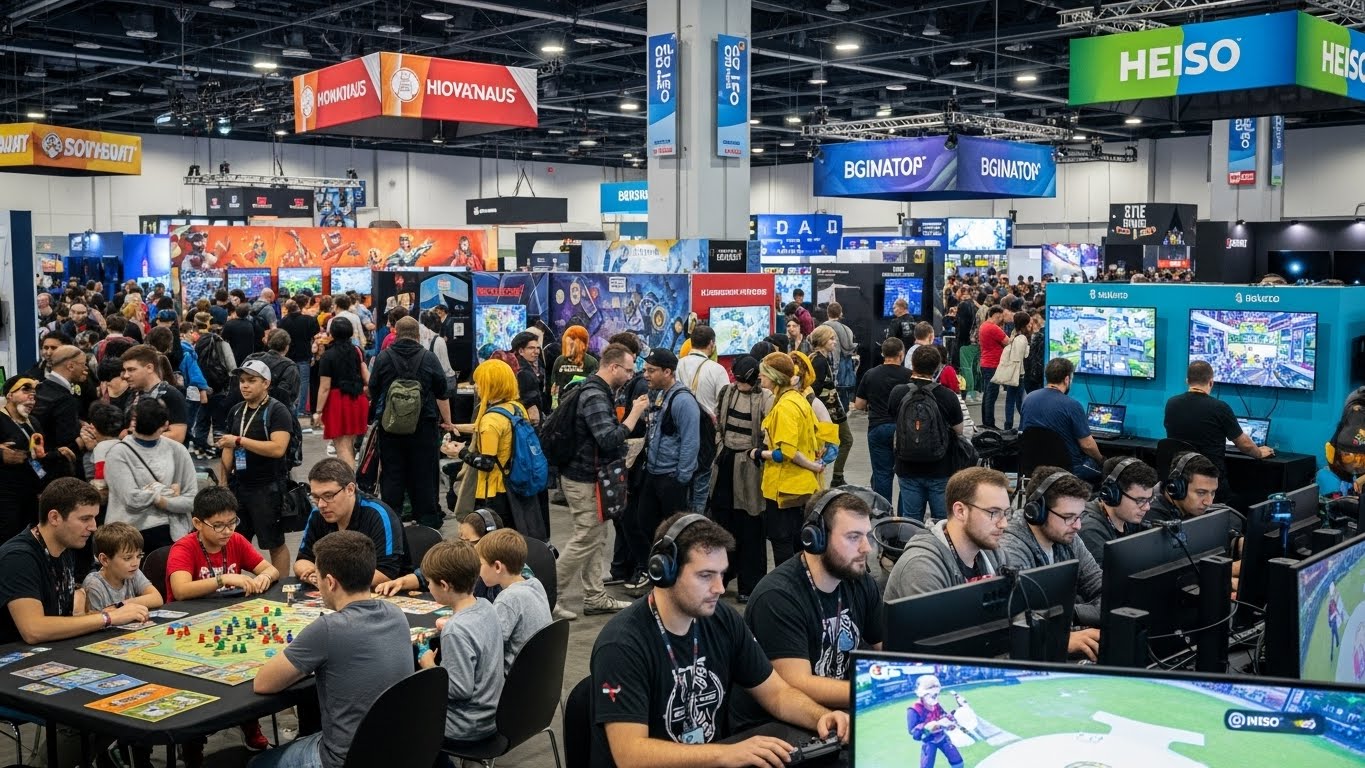
This shift also saw the introduction of competitive gaming, or eSports, which has grown into a multi-billion-dollar industry. Today, games like League of Legends, Fortnite, and Call of Duty host professional tournaments with global audiences, streaming platforms like Twitch have become destinations for gamers, and entire careers are built around the skill and strategy of online gaming.
Virtual Reality: The Next Frontier
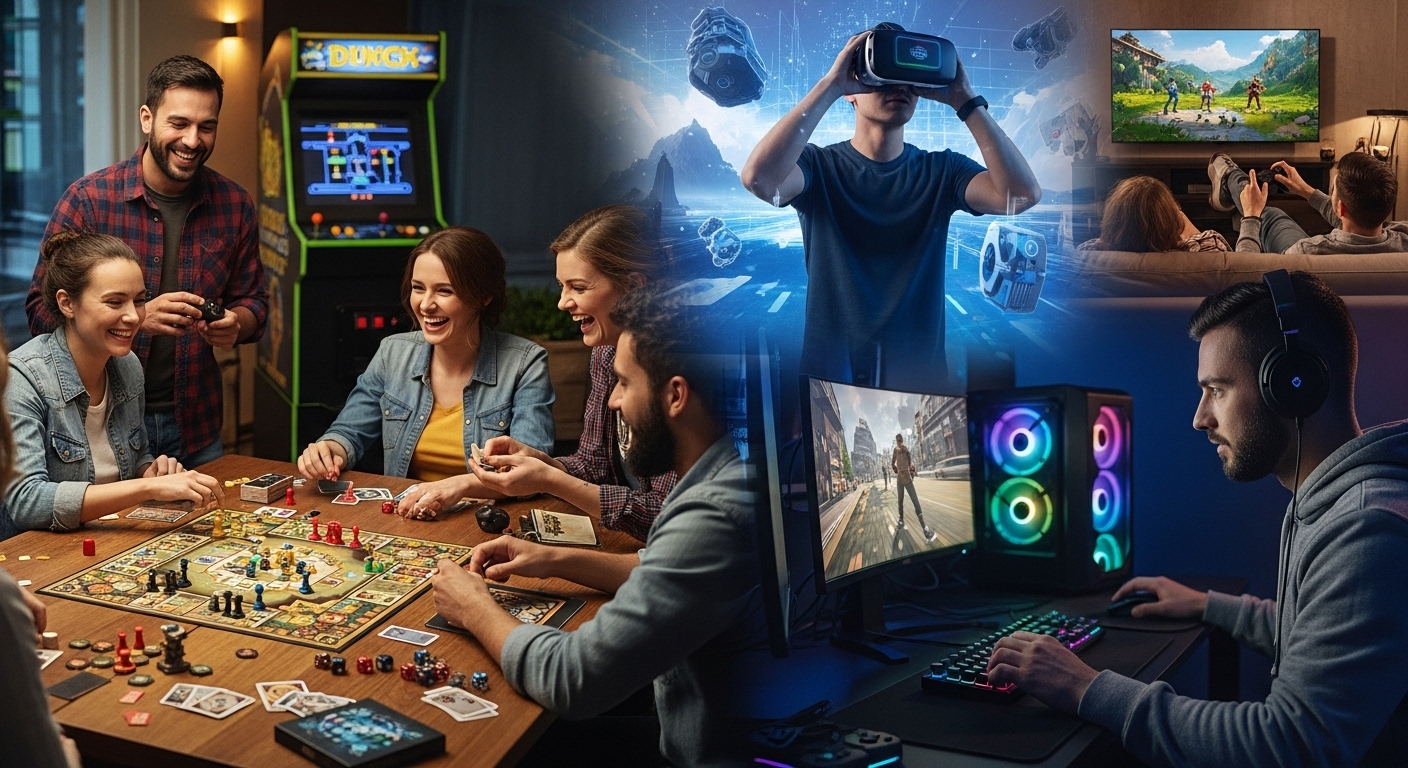
One of the most exciting developments in the gaming world today is Virtual Reality (VR). VR has brought the concept of fully immersive gameplay to life, offering players the ability to physically step into the worlds they once controlled through a screen. The technology behind VR has improved drastically over the last decade, making it a more accessible and realistic option for both developers and consumers.
Games like Beat Saber and Half-Life: Alyx demonstrate the incredible potential of VR. They not only allow players to interact with the environment but also to experience a level of immersion that traditional gaming setups can’t offer. With advances in motion capture and haptic feedback, VR gaming promises to offer experiences that were once unimaginable.
The Mobile Revolution
While console and PC gaming have long been dominant, the rise of mobile gaming has added a new dimension to the industry. With the ubiquity of smartphones, almost everyone now has access to gaming at their fingertips. Whether it’s a casual game like Candy Crush or a more complex experience like Genshin Impact, mobile gaming has made video games accessible in ways never seen before.
Moreover, the mobile platform has created new avenues for innovation. Games are now often designed with shorter play sessions in mind, allowing players to enjoy gaming experiences during their commute or lunch break. It has also led to new business models, such as free-to-play games supported by microtransactions, which have reshaped the economics of gaming.
What Does the Future Hold?
Looking forward, the future of gaming is as exciting as it is uncertain. As cloud gaming services like Google Stadia and Xbox Cloud Gaming continue to evolve, the barriers to entry for gaming are likely to lower even further. Players won’t need expensive hardware to play the latest titles, and the ability to game anywhere will become more commonplace.
The integration of artificial intelligence in games promises to revolutionize player experiences, with adaptive narratives, smarter NPCs, and personalized gameplay. Furthermore, the metaverse—an interconnected virtual world of endless possibilities—is slowly becoming a reality, where gaming may merge with other digital experiences like social interaction, entertainment, and even work.
Conclusion: A Cultural Phenomenon
What started as a niche hobby has become a global cultural phenomenon, influencing everything from entertainment to social interactions. The gaming industry has shown time and again that it is not just about playing—it’s about shaping worlds, building communities, and pushing the boundaries of technology.
As technology continues to evolve, there’s no telling where the world of gaming will go next. One thing is certain: the journey is far from over, and the future of gaming holds endless possibilities. Whether you’re a casual player or a hardcore enthusiast, there’s always a new frontier to explore in the ever-expanding universe of video games.