
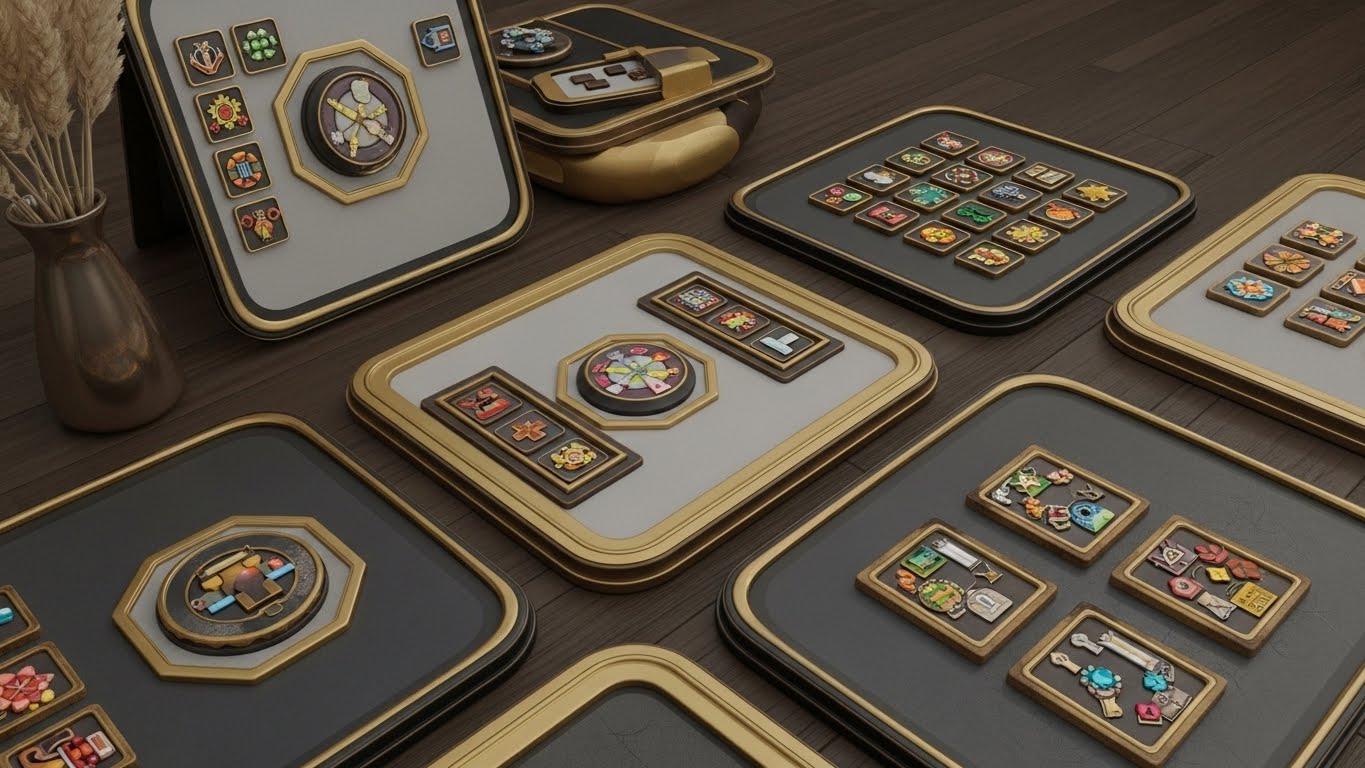
Games have always been a part of human culture, serving as a bridge between imagination, creativity, and social connection. From traditional board games enjoyed around the family table to massive digital worlds filled with millions of players, games continue to evolve alongside human innovation. They entertain, challenge, educate, and bring people together in ways that few other forms of media can. Today, games stand at the center of global entertainment, influencing art, technology, communication, and even mental development. This blog explores the vast universe of games, their cultural significance, technological evolution, and the reasons behind their timeless appeal.
The Universal Nature of Games
Games are universal. Every culture, age group, and generation has created its own forms of play. Whether it involves strategy, luck, skill, or storytelling, games remain an essential part of human experience. They offer a safe environment to explore challenges, test problem-solving abilities, and engage socially.
Children play games to develop cognitive and motor skills. Adults use games to relax, escape reality, or connect with others. Even the elderly benefit from games through mental stimulation and memory exercises. The universality of games is one reason they continue to grow in popularity across all corners of the world.
The Evolution from Traditional to Digital Games
Games have come a long way from simple wooden pieces and hand-drawn boards. Traditional games like chess, checkers, playing cards, and puzzles still remain beloved, but technology has expanded the possibilities dramatically.
The invention of computers opened the door to digital games, allowing developers to create interactive experiences that were once unimaginable. Early video games were simple, featuring basic shapes and limited mechanics. Despite their simplicity, they captured the imagination of players and set the foundation for the modern gaming industry.
As technology improved, games became more colorful, complex, and immersive. Consoles brought gaming into the living room, personal computers introduced vast multiplayer experiences, and eventually mobile phones made games accessible anytime and anywhere. Today, digital games offer cinematic storytelling, realistic graphics, and expansive virtual worlds that blur the line between fiction and reality.
The Diversity of Game Genres
One of the most fascinating aspects of games is the wide variety of genres that cater to different preferences and personalities. Each genre offers unique mechanics, challenges, and emotional experiences.
Action games attract players who enjoy fast-paced gameplay and quick reflexes. These games test hand-eye coordination and reward timing and movement mastery.
Adventure games focus on storytelling and exploration. Players travel through imaginative worlds, solve puzzles, and uncover mysteries that drive the narrative forward.
Role-playing games allow players to step into the shoes of unique characters and make decisions that shape their virtual destiny. These games emphasize character progression, choices, and emotional investment.
Strategy games challenge players to think critically and plan ahead. They require careful resource management, long-term planning, and tactical decisions.
Simulation games replicate real-life systems, giving players the opportunity to build cities, manage businesses, or experience realistic scenarios.
Puzzle games stimulate the mind through logic, pattern recognition, and creative problem-solving.
Sports and racing games appeal to fans of competition, allowing them to experience athletic challenges in a virtual environment.
This diversity ensures that everyone can find a type of game that suits their interests and playing style.
The Rise of Online Multiplayer Games
Online gaming changed the landscape of entertainment. Instead of playing alone or only with friends nearby, players gained the ability to connect with others across the world. This global connectivity created communities, friendships, and rivalries, transforming gaming into a social experience.
Massively multiplayer games allow thousands of players to interact in shared worlds. These environments encourage cooperation, teamwork, and social bonding. Players join guilds, build alliances, and work together to achieve common goals.
Competitive online games introduced structured ranking systems, giving players clear goals and a sense of progression. Leaderboards, tournaments, and seasonal rewards encourage continuous improvement and community engagement.
Online multiplayer games also contribute to cultural trends, with players creating fan art, forming clubs, and sharing digital experiences that extend far beyond the game itself.
Storytelling in Modern Games
Storytelling has become a defining feature of many modern games. Developers now blend cinematic techniques with interactive gameplay to create emotional, memorable narratives. These stories explore complex themes such as loyalty, loss, hope, and courage.
Unlike movies or books, games allow players to influence the story. Choices made during gameplay can lead to different outcomes, making each experience unique. This interactive storytelling creates a deep sense of immersion because players feel responsible for the characters and the world they inhabit.
Strong character development, compelling dialogue, and rich world-building elevate games from simple entertainment to powerful emotional experiences. Many players form strong attachments to characters, remembering them long after the credits roll.
The Psychological Benefits of Gaming
Games offer several psychological benefits that contribute to mental well-being. They provide an escape from stress, offering players a temporary break from their daily challenges. The satisfaction of completing missions, solving puzzles, or achieving high scores can boost self-confidence.
Games improve cognitive skills such as memory, attention, and problem-solving. Strategy games enhance critical thinking, while action games improve reaction time and motor skills. Puzzle games strengthen logic and pattern detection.
Social games support emotional connection by enabling communication and cooperative play. This helps players build friendships and combat loneliness. For many individuals, gaming communities act as safe spaces for expression and belonging.
The Role of Technology in Shaping Games
Technology plays a central role in the continuous evolution of games. Improvements in graphics, sound design, and artificial intelligence create more realistic and immersive experiences. High-definition displays, advanced physics engines, and motion capture technology bring virtual worlds to life with stunning clarity.
Artificial intelligence enhances gameplay by creating smarter and more dynamic opponents. Machine learning helps games adapt to player behavior, offering personalized experiences.
Virtual reality and augmented reality push immersion to new heights. Players can step inside games, interact with objects naturally, and experience environments physically rather than through a screen.
Cloud gaming introduces the ability to play high-quality games without expensive hardware. This increases accessibility and expands the gaming audience.
The Social and Cultural Influence of Games
Games influence culture in many ways. They inspire art, music, fashion, storytelling, and even lifestyle trends. Characters from popular games become cultural icons, and gaming catchphrases become part of daily conversations.
Gaming communities create fan traditions, creative content, and social movements. They celebrate their favorite games through events, discussions, and online forums. This sense of community fosters creativity, collaboration, and shared experiences.
Games also serve as digital meeting places where people connect regardless of physical distance. Families play games together, friends bond through cooperative missions, and strangers form long-lasting friendships through shared interests.
Games as Tools for Learning and Development
Educational games have become valuable tools for teaching complex concepts. They make learning fun and interactive, helping students absorb information more effectively. Math games, science simulations, and history adventures turn lessons into memorable experiences.
Games also teach life skills such as teamwork, time management, strategic planning, and communication. They encourage perseverance, showing players that failure is a natural step toward improvement.
Many educational programs now use gamification, incorporating game mechanics such as rewards, challenges, and feedback to increase engagement and motivation.
The Industry Behind Games
The gaming industry is a major force in global entertainment. Developers, designers, artists, writers, sound engineers, marketers, and testers all work together to create polished gaming experiences. This collaboration spans months or even years, resulting in games that blend technology, artistry, and creativity.
The industry generates billions of dollars annually and provides job opportunities across multiple disciplines. It continues to grow rapidly as more people discover the joy of gaming and as technology opens new possibilities for innovation.
Challenges in the Gaming World
Despite its success, the gaming world faces challenges. Some players struggle with balancing gaming and daily responsibilities. Developers must continue to create inclusive and safe communities for players of all backgrounds. Fair play, online safety, and data protection are ongoing concerns that require attention and improvement.
Additionally, games must continue evolving responsibly, ensuring that monetization practices do not disrupt player enjoyment or create unfair advantages.
The Future of Games
The future of games is filled with endless possibility. Technological advancements will shape experiences that are even more immersive, intelligent, and interactive. Virtual reality will grow more realistic, artificial intelligence will enhance storytelling, and cloud technology will make high-quality gaming accessible to everyone.
As gaming becomes further integrated into education, culture, and social interaction, it will continue to rise as one of the most influential forms of modern entertainment. The next generation of games will likely challenge our imagination and redefine what interactive art can be.
Conclusion
Games are more than entertainment. They are a universal language of creativity, challenge, and connection. They bring people together, stimulate the mind, inspire emotion, and offer endless worlds to explore. As technology evolves and storytelling deepens, games will continue to shape our culture and influence our lives in profound ways. Whether traditional or digital, simple or complex, games remain one of humanity’s most powerful and timeless experiences.