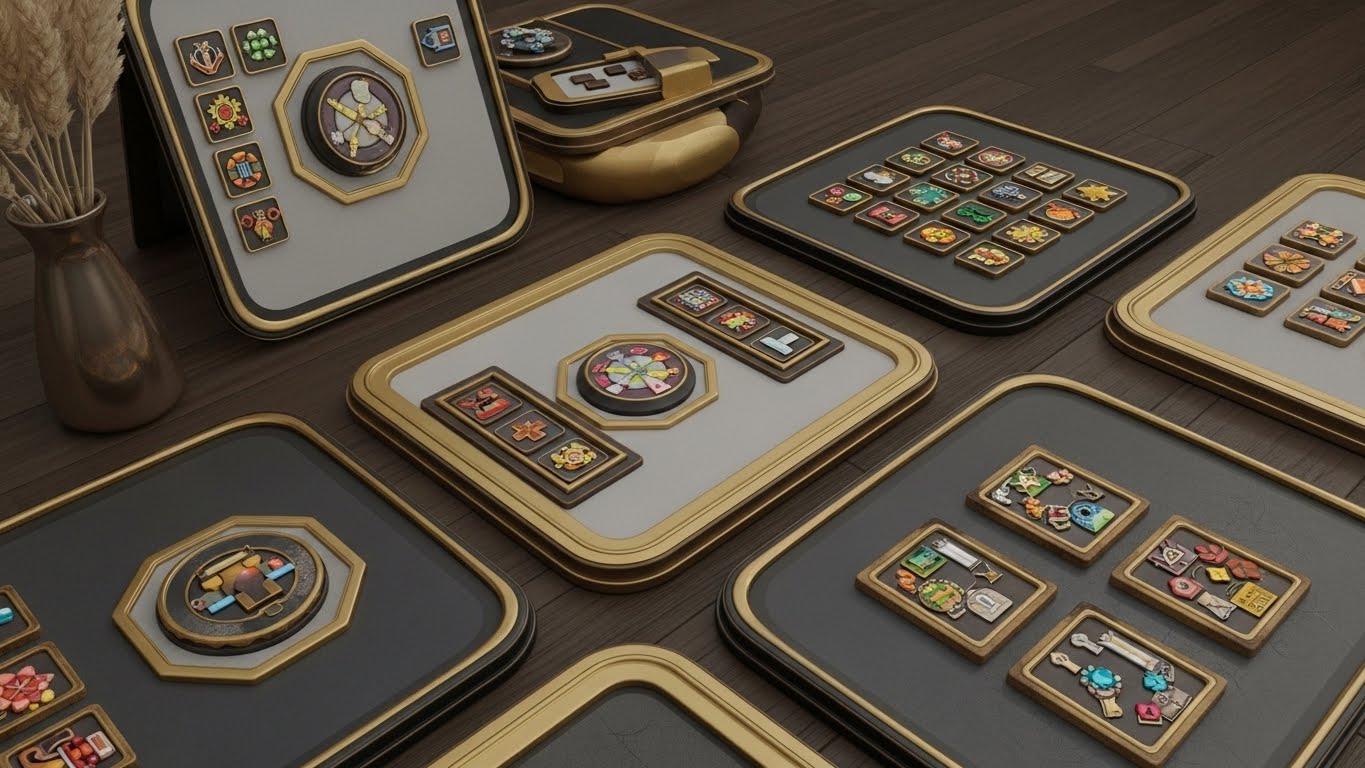

Introduction: Games as a Universal Experience
Games have been an integral part of human culture for centuries, transcending age, culture, and geography. From simple board games played around a table to immersive digital worlds experienced through modern consoles, games have always served as a source of entertainment, challenge, and social connection. Today, gaming is not just a pastime; it is a dynamic and influential cultural phenomenon that shapes technology, storytelling, social interaction, and even professional careers. This blog delves into the evolution, psychological impact, and social significance of games in the modern world.
The Evolution of Games: From Past to Present
The history of games reflects human creativity and the desire for engagement. Early games were physical and strategy-based, such as chess, backgammon, and ancient dice games. These games honed critical thinking, problem-solving, and social skills. With the advent of electronic games in the late 20th century, gaming underwent a significant transformation. Arcade machines introduced action-based challenges, while home consoles brought immersive experiences into living rooms. The 21st century saw a technological revolution in gaming with high-definition graphics, online multiplayer modes, and virtual reality. Modern games offer complex narratives, realistic physics, and expansive worlds, allowing players to explore, create, and compete in ways that were once unimaginable.
The Psychology of Gaming
Games are more than a form of entertainment; they engage the human mind in profound ways. Playing games stimulates cognitive functions such as memory, attention, problem-solving, and strategic thinking. Role-playing games encourage creativity and empathy by allowing players to experience life from different perspectives. Puzzle and strategy games develop logical reasoning, while action games enhance hand-eye coordination and reaction times. Moreover, gaming provides a healthy outlet for stress relief and emotional exploration. Players can immerse themselves in fictional worlds, experience challenges safely, and achieve a sense of accomplishment that boosts confidence and satisfaction.
Social Interaction Through Gaming
One of the most transformative aspects of modern gaming is its social dimension. Online multiplayer games, esports, and gaming communities foster interaction among people from diverse backgrounds. Gamers collaborate, compete, and communicate, often forming lasting friendships and shared experiences. Social features in games, such as chat systems, guilds, and cooperative missions, encourage teamwork and collaboration. Gaming has become a new form of social engagement, bridging geographical boundaries and cultural differences. It provides a platform for collective problem-solving, creativity, and entertainment, redefining what it means to connect in the digital age.
Games as a Career Path
Gaming has evolved into a professional pursuit for many, breaking the stereotype that it is merely a hobby. The rise of esports has created a competitive arena where players can earn significant income through tournaments and sponsorships. Streaming platforms allow gamers to build personal brands, monetize gameplay, and engage with global audiences. Game development itself has become a lucrative career, offering opportunities in design, programming, storytelling, sound engineering, and animation. The professionalization of gaming demonstrates its cultural legitimacy and the diverse opportunities it presents in the modern economy.
The Role of Storytelling in Games
Storytelling has become a central element in contemporary games. Unlike traditional media, games provide interactive narratives where the player’s decisions influence the outcome. This immersive experience deepens engagement, allowing players to feel a personal connection to characters and worlds. Games such as role-playing adventures, narrative-driven action games, and historical simulations blend storytelling with exploration, strategy, and problem-solving. The interactive nature of games transforms players from passive consumers into active participants, making gaming a unique medium for narrative art.
Educational Value of Games
Games are increasingly recognized for their educational potential. Many games teach critical thinking, resource management, history, and science through interactive learning. Simulation and strategy games allow players to experiment, analyze outcomes, and understand cause-effect relationships. Educational games make learning enjoyable and memorable, providing experiences that traditional methods often cannot. Beyond formal education, games develop soft skills such as collaboration, leadership, and communication, demonstrating their holistic impact on personal development.
Virtual Reality and Immersive Gaming
Virtual reality (VR) has redefined the gaming experience, creating fully immersive worlds where players can interact with environments in a lifelike manner. VR gaming offers a heightened sense of presence, transforming gameplay into a multi-sensory experience. Augmented reality (AR) games blend digital elements with the real world, creating unique interactive experiences. These innovations are not only entertaining but also provide new opportunities for training, therapy, and creative expression. Immersive gaming represents the cutting edge of technology, expanding the possibilities of human engagement with digital environments.
The Cultural Influence of Games
Games have a profound impact on culture and society. Iconic characters, memorable storylines, and distinctive visual styles often influence fashion, music, language, and media. Popular games inspire fan art, cosplay, and community events, reflecting their reach beyond the screen. Games also shape social discussions, bringing attention to cultural, historical, and ethical themes. The integration of gaming into mainstream culture demonstrates its power to influence trends, creativity, and social identity, making it a key cultural force in modern life.
Health and Fitness in Gaming
While gaming is traditionally associated with sedentary activity, innovations have introduced ways to promote physical health through interactive experiences. Motion-controlled games, virtual sports, and fitness-focused applications encourage exercise and physical engagement. Exergaming, which combines gaming and exercise, motivates individuals to move while enjoying immersive gameplay. These developments highlight gaming’s versatility, showing that it can entertain while supporting health and well-being.
Challenges and Concerns in Gaming
Despite its many benefits, gaming comes with challenges. Concerns about addiction, excessive screen time, and social isolation are valid and require attention. Some games are designed to maximize engagement, which can lead to compulsive behaviors. Online communities may face toxicity, harassment, or exclusionary practices. Addressing these issues requires responsible design, awareness, and moderation by both developers and players. When approached mindfully, gaming remains a safe, enjoyable, and enriching activity.
The Future of Gaming
The future of gaming promises continued innovation and expansion. Advances in artificial intelligence, cloud gaming, and cross-platform play will redefine accessibility and gameplay complexity. Personalized experiences driven by AI will tailor narratives, challenges, and interactions to individual players. Emerging technologies such as haptic feedback and sensory immersion will further blur the line between virtual and real experiences. The gaming industry will continue to evolve, offering new opportunities for creativity, social connection, and entertainment while shaping the culture and technology of the future.
Conclusion: Gaming as a Transformative Force
Games are far more than mere entertainment; they are transformative tools that influence culture, education, social interaction, and personal development. They provide opportunities for creative expression, strategic thinking, and emotional engagement. From traditional board games to virtual reality experiences, games continue to evolve, offering immersive worlds and shared experiences that unite people across the globe. Embracing gaming as both an art form and a social phenomenon allows us to appreciate its depth, versatility, and enduring appeal. As technology and creativity advance, gaming will continue to play a pivotal role in shaping the way we learn, connect, and experience the world.