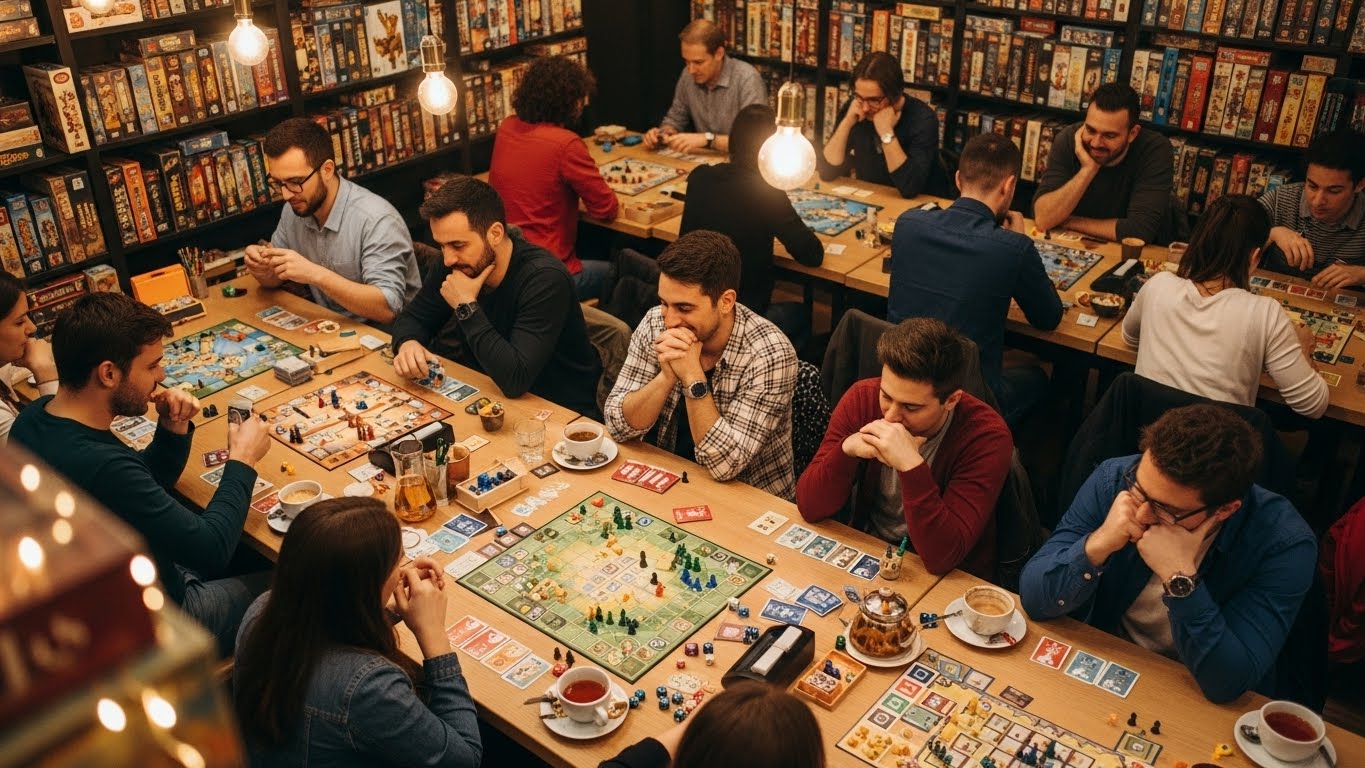
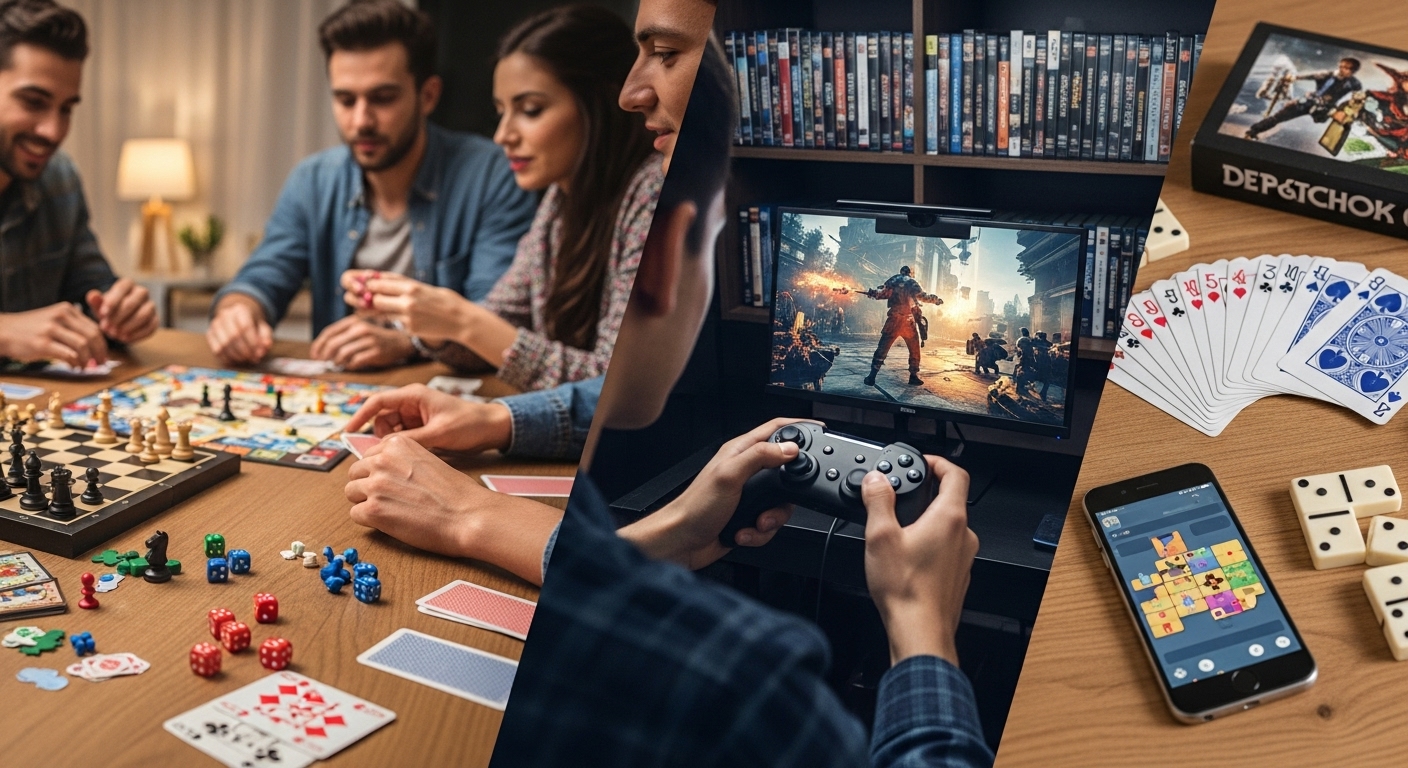
Games have been a central part of human culture for centuries, evolving from simple forms of recreation to complex, immersive experiences that are now woven into the fabric of digital entertainment. Whether it’s the joy of playing a classic board game, the thrill of competitive eSports, or the deep narratives offered by single-player RPGs, games offer a wide variety of experiences that cater to every taste. But what makes games so compelling, and why has gaming grown into one of the most influential forms of entertainment in the world?
In this blog post, we will explore the history of gaming, the various genres that have emerged over the years, the social and psychological impact of games, and the future of interactive entertainment. Gaming has come a long way from its humble beginnings, and its influence continues to grow—shaping not only entertainment but also technology, culture, and social interactions.
The Evolution of Gaming: From Simplicity to Immersion
The history of games dates back to ancient civilizations, with some of the earliest forms of gaming being board games like chess, backgammon, and dice games. These early games were typically played for strategy, skill, or luck, and served as a way for people to socialize and compete. However, the true birth of modern gaming began with the advent of technology and video games.
The late 20th century saw the emergence of video games as we know them today. In the 1970s and 1980s, arcades became a popular gathering place for people to play simple, yet addictive, games like Pong, Space Invaders, and Pac-Man. These early games were often rudimentary, with simple graphics and gameplay, but they provided a new form of interactive entertainment that captivated millions.
As technology advanced, so did the complexity and depth of video games. The 1990s introduced the world to consoles like the Super Nintendo, Sega Genesis, and PlayStation, bringing iconic games like Super Mario 64, The Legend of Zelda, and Final Fantasy VII into living rooms across the globe. These games began to offer not just entertainment but stories, characters, and worlds that players could immerse themselves in.
With the rise of personal computers and the internet, online gaming emerged as a new frontier. Multiplayer online games, such as World of Warcraft, Counter-Strike, and later, Fortnite, revolutionized the way people interacted with games, creating virtual communities and fostering competition on a global scale.
Today, gaming has evolved into an industry worth billions of dollars, offering a vast array of genres and experiences. From mobile games to virtual reality (VR) experiences, the gaming world continues to grow, evolve, and push the boundaries of what is possible.
The Different Genres: A Game for Everyone
One of the most exciting aspects of gaming is the incredible variety of genres available to players. No matter what kind of experience you’re looking for, there’s a game that fits the bill. Let’s explore some of the most popular genres in gaming today.
1. Action Games
Action games are some of the most popular and accessible games in the world. These games are typically fast-paced and require quick reflexes, often involving combat, platforming, or exploration. Popular action games include Grand Theft Auto V, God of War, and Assassin’s Creed. These games often have large open worlds, engaging combat mechanics, and immersive storytelling elements that keep players hooked for hours.
2. Role-Playing Games (RPGs)
Role-playing games (RPGs) allow players to step into the shoes of a character and embark on epic journeys. RPGs are known for their rich storytelling, character development, and vast worlds to explore. Some RPGs, like The Witcher 3: Wild Hunt and Elden Ring, offer expansive open-world environments with intricate narratives that change based on player choices. RPGs can be single-player experiences or multiplayer online role-playing games (MMORPGs), like World of Warcraft and Final Fantasy XIV, where players can interact with others in a shared world.
3. Strategy Games
Strategy games challenge players to think critically and plan ahead. Whether it’s managing resources, commanding armies, or solving puzzles, strategy games require careful consideration and foresight. Popular examples include StarCraft, Age of Empires, and Civilization. These games can be real-time or turn-based and often offer complex gameplay mechanics that appeal to players who enjoy intellectual challenges.
4. Simulation Games
Simulation games aim to mimic real-world systems and experiences. These games allow players to experience life, manage businesses, or control intricate systems. Popular simulation games include The Sims, SimCity, and Microsoft Flight Simulator. These games often focus on creativity and management, offering players the ability to experiment with different scenarios and outcomes.
5. Sports and Racing Games
For sports enthusiasts, gaming offers a wide range of options. From traditional sports like football and basketball to racing simulations, these games bring the thrill of competition to the screen. Games like FIFA, NBA 2K, and Gran Turismo offer realistic experiences that allow players to participate in their favorite sports and races from the comfort of their homes.
6. Adventure and Puzzle Games
Adventure and puzzle games offer players a chance to solve mysteries, explore new worlds, and piece together complex narratives. Games like The Legend of Zelda series, Uncharted, and Myst blend exploration with puzzle-solving elements, challenging players to think critically while enjoying immersive storytelling. These games often emphasize exploration, environmental storytelling, and discovery.
The Psychological Impact of Gaming: More Than Just Entertainment
While games are often viewed as a form of entertainment, their impact on players can be far-reaching. Gaming has been shown to have both positive and negative psychological effects, depending on the type and amount of gaming.
1. Cognitive Benefits
Studies have shown that gaming can improve cognitive abilities such as problem-solving, spatial reasoning, and multitasking. For instance, puzzle and strategy games require players to think critically and plan ahead, while action games can improve reaction times and hand-eye coordination. RPGs, in particular, can enhance memory and decision-making skills, as players are often required to keep track of complex storylines, characters, and choices.
2. Social Benefits
Multiplayer and online gaming have created new forms of social interaction. Games like Fortnite, Minecraft, and Among Us enable players to connect with friends and strangers alike, fostering collaboration, communication, and teamwork. For some, gaming is a primary way to maintain social connections, especially in communities that share common interests or experiences.
Esports, the competitive side of gaming, has also become a global phenomenon, providing opportunities for players to showcase their skills and compete for cash prizes. Professional gamers have become celebrities in their own right, and esports events now draw millions of viewers worldwide.
3. Negative Effects
On the flip side, excessive gaming can have negative consequences. For some individuals, gaming can become addictive, leading to neglect of responsibilities, social isolation, and physical health issues. Gaming addiction is a growing concern in many parts of the world, and the gaming industry has taken steps to address these issues by introducing features like time limits, parental controls, and warnings about excessive play.
While most players engage with games responsibly, the immersive and rewarding nature of modern games can make it difficult to stop playing, especially when progression and achievement are tied to hours of gameplay.
The Future of Gaming: Innovations on the Horizon
As technology continues to advance, the future of gaming looks incredibly exciting. There are several key trends and innovations that are shaping the next generation of gaming experiences.
1. Virtual Reality (VR) and Augmented Reality (AR)
Virtual reality (VR) and augmented reality (AR) are set to revolutionize the gaming industry. VR allows players to immerse themselves fully in a digital environment, while AR blends digital elements with the real world. Games like Beat Saber and Half-Life: Alyx have already shown the potential of VR, offering more interactive and engaging experiences than traditional gaming formats. As VR technology becomes more affordable and accessible, we can expect more games to take advantage of this immersive medium.
2. Cloud Gaming
Cloud gaming, which allows players to stream games directly from servers rather than downloading them to a local device, is another trend to watch. Services like Google Stadia, Microsoft’s xCloud, and NVIDIA GeForce Now are already offering players the ability to play high-quality games on devices with minimal hardware. As internet speeds improve and cloud technology advances, cloud gaming could become the standard, making gaming more accessible to people around the world, regardless of their device capabilities.
3. AI and Procedural Generation
Artificial intelligence (AI) is being used to create more realistic, dynamic, and personalized gaming experiences. AI-driven characters can adapt to player behavior, making interactions more lifelike. Procedural generation, which creates dynamic and ever-changing game worlds, is being used to generate infinite environments, as seen in games like Minecraft and No Man’s Sky. This technology is creating games that are virtually endless, offering players new experiences every time they play.
4. Inclusive and Diverse Gaming
The gaming community is becoming more inclusive and diverse, with an increasing emphasis on representing various cultures, genders, and backgrounds in games. Game developers are exploring new narratives, characters, and settings that reflect a broader range of human experiences. As the industry becomes more inclusive, it is likely to attract a wider and more diverse audience, further expanding the reach and influence of games.