Introduction
Games have been an integral part of human life for centuries. From ancient board games played on carved stones to today’s immersive video games and esports competitions, games entertain, challenge, and inspire. They are more than just pastimes; they are reflections of culture, creativity, and human ingenuity. In today’s world, games bridge generations, connect communities, and push technological boundaries. This blog explores the history of games, their cultural impact, cognitive benefits, evolution in the digital age, and their role in shaping the future of entertainment.
The History of Games: From Ancient Times to Modern Days
Games have existed for thousands of years, with early civilizations developing board games, dice games, and physical contests for entertainment and social interaction. Ancient Egyptians played Senet, a strategic board game, while games like Go and Chess originated in Asia, evolving over centuries to become global phenomena.
These early games were not only recreational but often symbolic, teaching strategy, patience, and critical thinking. As societies evolved, games became more diverse, reflecting social norms, traditions, and cultural stories. Tabletop games, card games, and outdoor activities formed the foundation for interactive entertainment and communal bonding, setting the stage for the digital revolution.
Board Games and Traditional Play
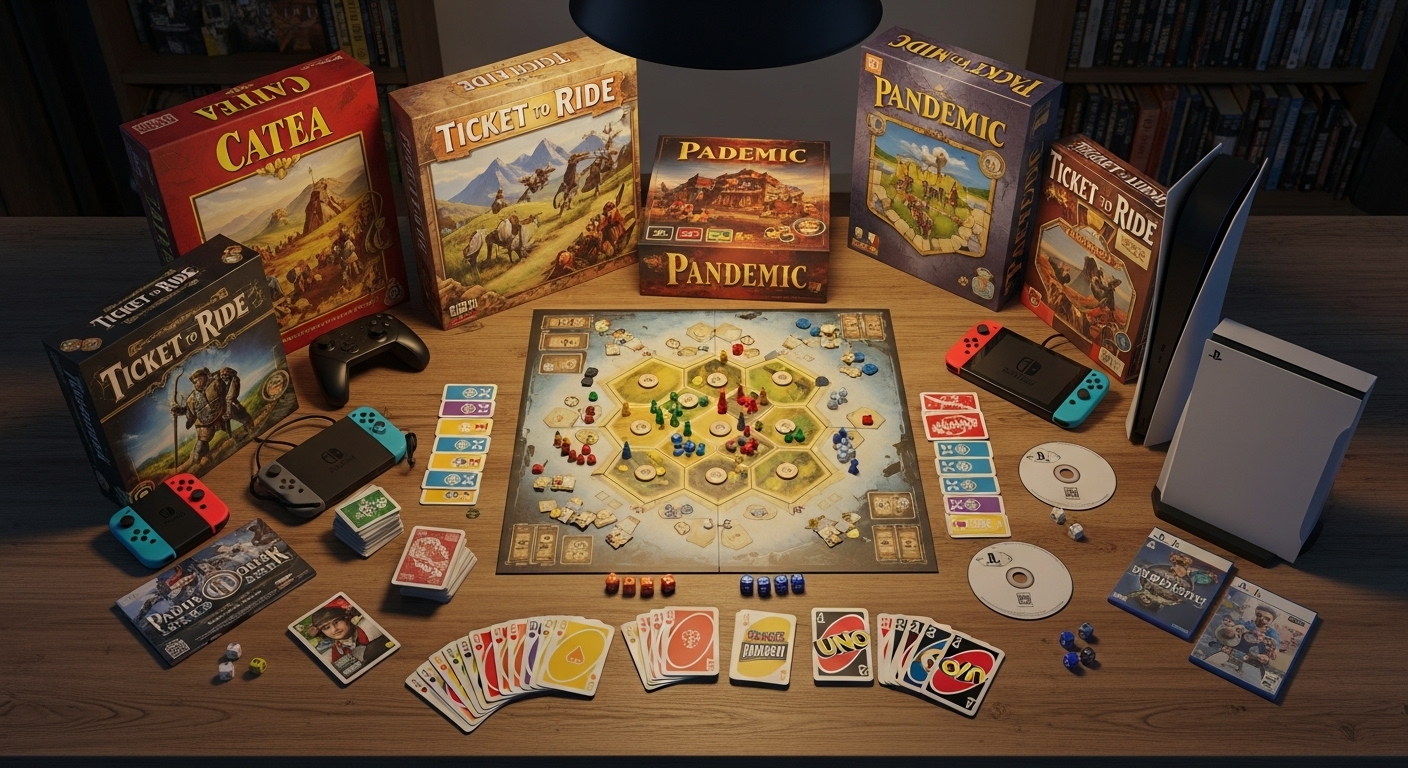
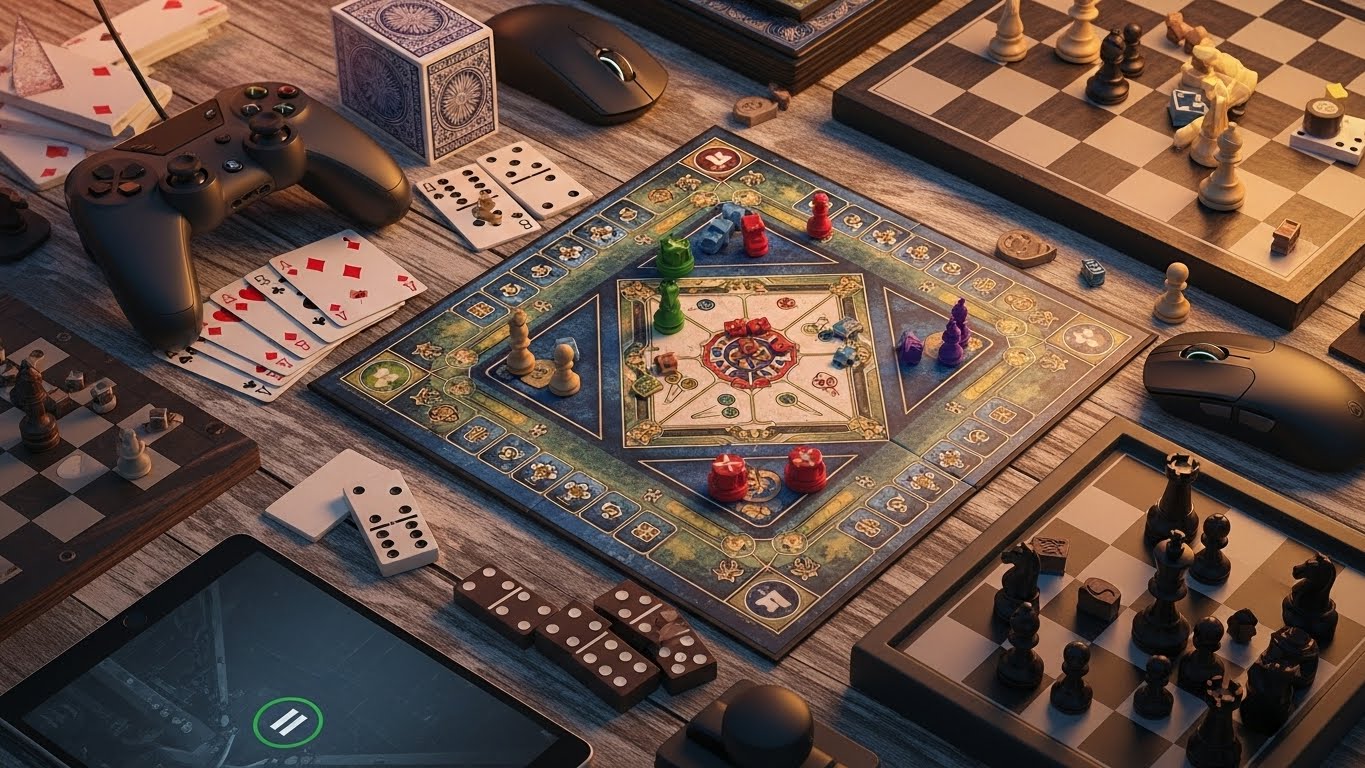
Board games remain a timeless form of entertainment. Classics like Chess, Monopoly, Scrabble, and Risk continue to captivate players worldwide. Board games encourage strategic thinking, planning, and social interaction, providing opportunities for both competition and collaboration.
Modern board games have become increasingly innovative, offering complex narratives, cooperative mechanics, and immersive storytelling. They demonstrate how traditional forms of play can evolve while preserving their core principles of strategy, creativity, and engagement. Board games also foster social skills, making them a valuable tool for family bonding and community engagement.
The Rise of Video Games
The introduction of video games revolutionized the concept of play. From the simple graphics of Pong to the rich worlds of modern consoles and PCs, video games have transformed entertainment into an interactive, immersive experience.
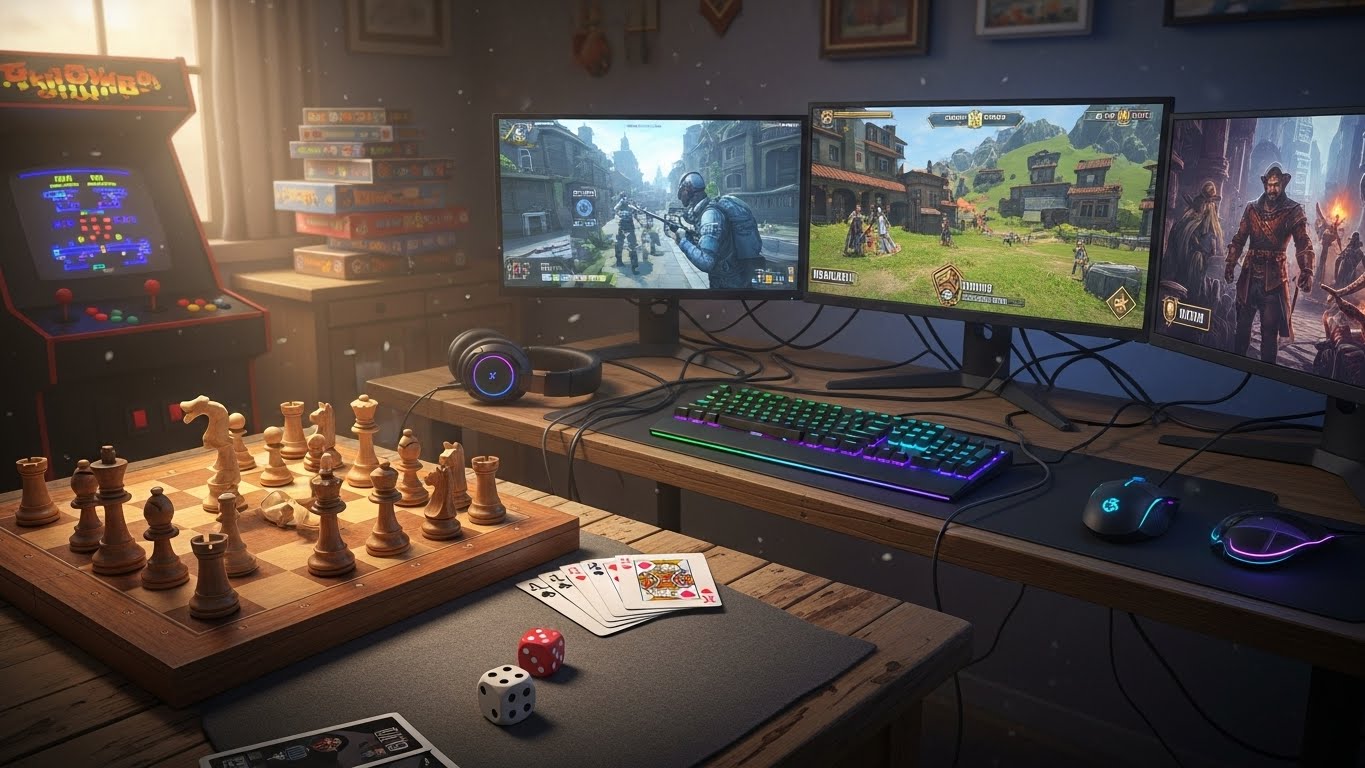
Video games combine art, storytelling, and mechanics to create dynamic worlds that players can explore. Adventure games, role-playing games, first-person shooters, and simulation games offer diverse experiences, catering to different interests and play styles. Video games allow players to experience challenges, solve puzzles, and inhabit virtual worlds in ways that traditional games cannot.
Online Gaming and Global Communities
The advent of online gaming connected players across the world, creating virtual communities where collaboration, competition, and social interaction thrive. Multiplayer games, from massive online battle arenas to cooperative role-playing adventures, provide spaces for players to meet, strategize, and compete.
Online gaming communities foster teamwork, communication, and problem-solving skills. They also create long-lasting friendships and shared experiences. Players join guilds, clans, and teams, forging relationships that often extend beyond the digital world. The social aspect of online gaming highlights how games have evolved from solitary pastimes into powerful tools for global connection.
Esports: Gaming as a Competitive Arena
Esports has transformed gaming into a professional and competitive pursuit. Players train intensely, analyze strategies, and participate in tournaments watched by millions of fans worldwide. Esports has turned gaming into a viable career path, offering roles such as professional player, coach, analyst, and content creator.
Major tournaments for games like League of Legends, Dota 2, and Counter-Strike attract enormous audiences, rivaling traditional sports events. Esports requires discipline, teamwork, quick reflexes, and strategic thinking. It demonstrates how games are no longer just entertainment—they are a professional and cultural phenomenon with global impact.
The Impact of Games on Creativity
Games are powerful tools for creative expression. Many modern titles allow players to build worlds, design characters, create narratives, and even develop new game mechanics. Sandbox games and open-world environments provide limitless opportunities for experimentation and innovation.
This creative empowerment transforms players from passive consumers into active creators. Modding communities and user-generated content extend the lifespan of games and encourage collaboration. Games foster imagination, problem-solving skills, and artistic expression, proving that play can be both entertaining and educational.
Cognitive and Educational Benefits of Games
Beyond entertainment, games offer cognitive and educational benefits. Puzzle and strategy games enhance problem-solving abilities, critical thinking, and planning skills. Multiplayer games improve teamwork, communication, and leadership. Educational games make learning interactive, covering subjects like mathematics, science, history, and languages in engaging ways.
Research suggests that games can also enhance memory, adaptability, and spatial awareness. They provide safe environments for experimentation, risk-taking, and learning from mistakes. Games show that fun and education can coexist, offering experiences that stimulate the mind while providing enjoyment.
Mobile Games: Accessibility and Popularity
The rise of smartphones and tablets brought gaming to a broader audience. Mobile games offer accessibility, convenience, and diversity, appealing to casual and dedicated players alike. From quick puzzles to strategic simulations, mobile gaming provides entertainment anytime and anywhere.
The popularity of mobile games highlights how technology can democratize play. Games like puzzle apps, competitive mobile battle games, and simulation experiences reach billions of users globally. Mobile platforms have transformed gaming into an everyday activity, making it part of modern life for people of all ages.
Storytelling in Games
Games have become a narrative medium, allowing players to experience stories in interactive ways. Unlike traditional media, players make choices that influence the outcome of the story, creating a personal connection to the narrative.
Developers use cinematic techniques, voice acting, music, and branching storylines to immerse players in compelling worlds. Games explore complex themes like morality, identity, conflict, and resilience. Story-driven games engage emotions and encourage empathy, demonstrating how games can be both entertaining and intellectually meaningful.
Virtual Reality and the Future of Gaming
Virtual reality (VR) and augmented reality (AR) are redefining how players interact with games. VR immerses players in fully realized digital worlds, providing unprecedented levels of engagement. AR blends virtual elements with the real world, creating innovative gameplay experiences.
Cloud gaming also promises to expand accessibility by allowing high-quality games to run on any device without specialized hardware. These advancements point toward a future where games are increasingly immersive, interactive, and personalized. The future of gaming holds limitless possibilities for creativity, social interaction, and entertainment.
The Social Impact of Games
Games influence social behavior and culture. They provide spaces for collaboration, discussion, and shared experiences. Multiplayer and online games foster teamwork, leadership, and strategic thinking. Games also encourage inclusivity, offering representation and diversity in characters, narratives, and gameplay mechanics.
Beyond entertainment, games can be tools for social change. They raise awareness about societal issues, simulate real-world scenarios, and inspire empathy. Gaming communities create connections across geographical and cultural boundaries, making play a universal language that unites people globally.
The Economic and Cultural Significance of Games
The gaming industry is a global powerhouse, generating billions of dollars annually and supporting a wide range of careers, including development, design, marketing, and content creation. Games shape popular culture, influencing movies, music, fashion, and art.
Trends in gaming, such as live streaming, esports, and user-generated content, continue to transform the entertainment landscape. Games are no longer niche hobbies—they are central to culture, technology, and social life.
Conclusion
Games are far more than recreational activities; they are cultural artifacts, creative platforms, and tools for connection and learning. From traditional board games to immersive digital experiences, games engage players, foster creativity, and bridge social divides. They challenge minds, encourage problem-solving, and provide meaningful narratives that resonate with audiences worldwide.
As technology continues to advance, the world of games will expand even further. Virtual reality, augmented reality, cloud gaming, and interactive storytelling promise more immersive and personalized experiences. Games are not just about fun—they are a reflection of human ingenuity, imagination, and the universal desire to play, create, and connect. The universe of games is vast, evolving, and endlessly inspiring, making it one of the most influential forms of entertainment in modern life.