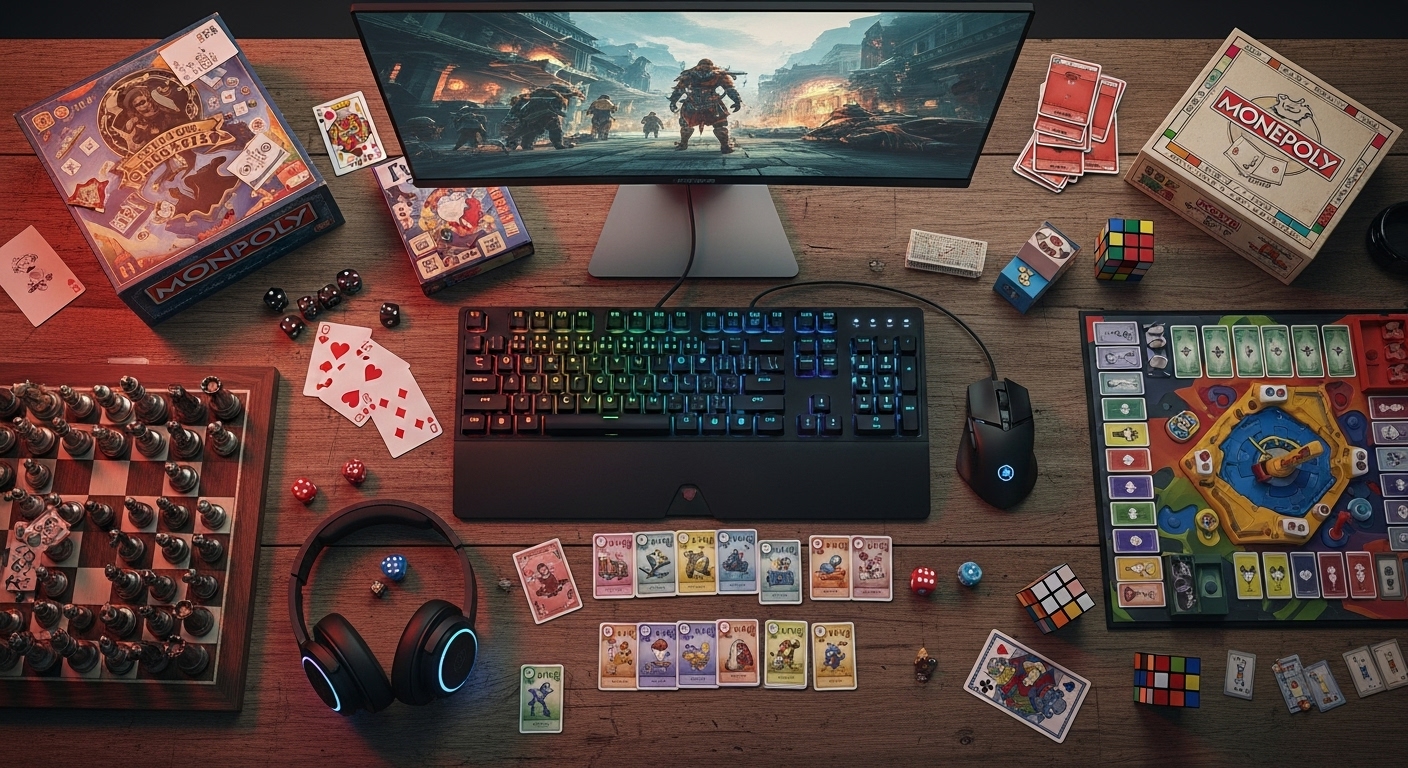
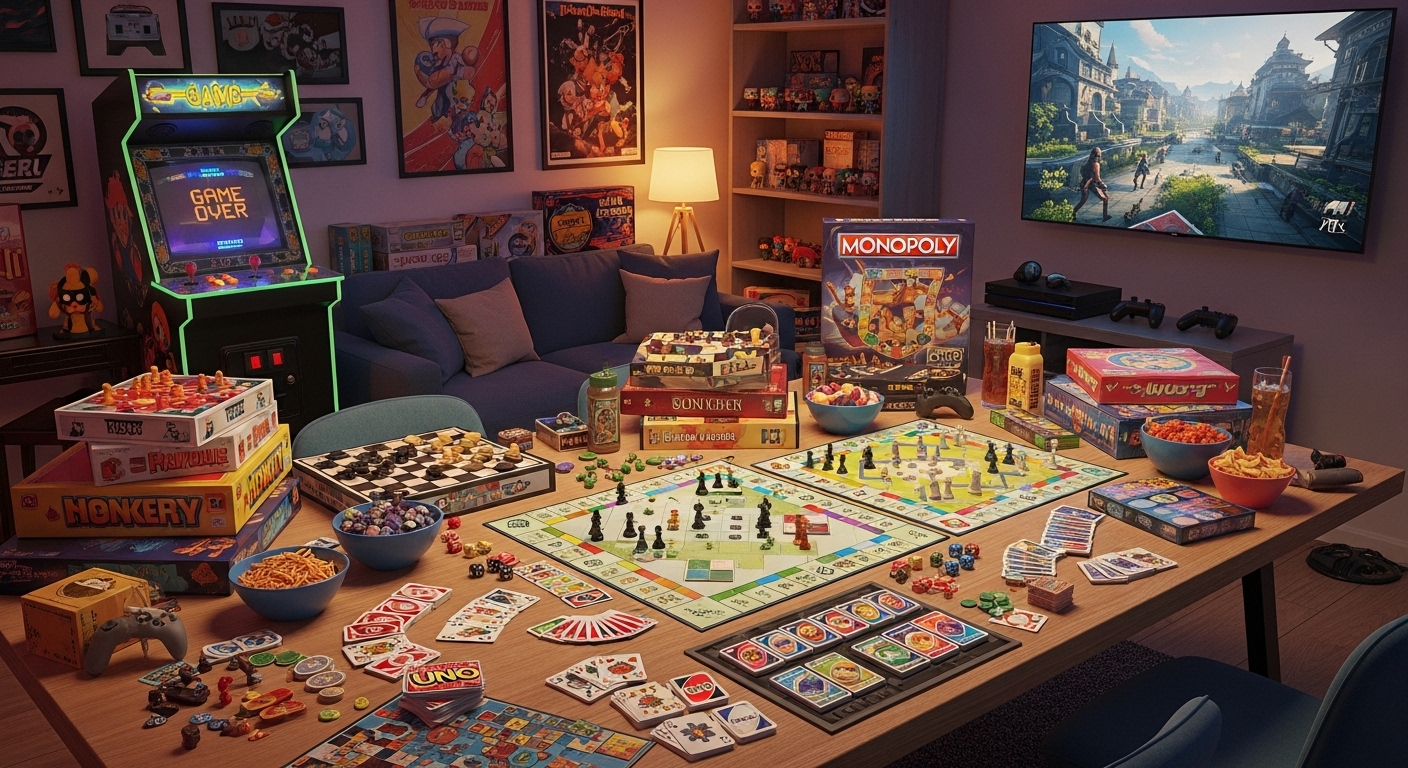
Games have been a fundamental part of human culture for centuries. From ancient board games to the latest digital marvels, games entertain, challenge, and connect us. They stimulate our minds, encourage creativity, foster social bonds, and provide countless hours of enjoyment. In this blog post, we will explore the fascinating world of games—their history, types, psychological benefits, cultural significance, and future potential.
The Origins of Games: From Ancient Times to Modern Play
Games are as old as civilization itself. Archaeologists have discovered evidence of games played thousands of years ago, such as Senet in ancient Egypt and the Royal Game of Ur in Mesopotamia. These early games served many purposes: entertainment, education, religious rituals, and socialization.
With time, games evolved across cultures and continents, reflecting the values, resources, and creativity of different societies. The invention of playing cards, chess, dice, and other classic games laid the foundation for modern gaming.
Types of Games: A Spectrum of Play
Games come in countless varieties, each offering unique experiences. Below are some major categories:
Board and Card Games
Traditional board games like chess, checkers, and Monopoly remain popular due to their strategic depth and social nature. Card games, from Poker to Solitaire, range from casual to highly competitive.
Video Games
Digital games have transformed the gaming landscape. Video games span genres such as action, adventure, role-playing, simulation, and sports. With powerful graphics and immersive storytelling, video games attract diverse audiences worldwide.
Mobile Games
The rise of smartphones introduced gaming to the masses. Mobile games are often accessible, casual, and social, allowing quick play sessions anywhere.
Outdoor and Physical Games
Sports, tag, hide and seek, and other physical games promote physical fitness, teamwork, and outdoor activity. These games encourage healthy lifestyles and social interaction.
Puzzle and Brain Games
These games challenge cognitive skills such as problem-solving, logic, and memory. Crossword puzzles, Sudoku, and escape rooms exemplify this genre.
Psychological and Social Benefits of Playing Games
Playing games is not just fun—it’s beneficial for mental health and social well-being.
Enhancing Cognitive Skills
Many games improve attention, memory, spatial awareness, and critical thinking. Puzzle games stimulate problem-solving abilities, while strategy games enhance planning and decision-making.
Reducing Stress and Improving Mood
Games provide an enjoyable escape from daily pressures. Engaging in play can reduce stress hormones, improve mood, and promote relaxation.
Fostering Social Connections
Games often bring people together. Whether it’s gathering around a board game, competing online, or participating in sports, games encourage communication, teamwork, and friendship.
Encouraging Creativity and Imagination
Role-playing games and sandbox-style video games allow players to create worlds, stories, and characters, nurturing creativity.
The Cultural Impact of Games
Games reflect and shape culture in many ways.
Storytelling and Mythology
Many games incorporate rich narratives drawing from mythology, history, and folklore, allowing players to engage with cultural heritage in interactive ways.
Community Building
Gaming communities foster shared identity and belonging. From local clubs to global online forums, players form friendships, organize events, and share experiences.
Influencing Arts and Media
Games inspire films, literature, music, and visual arts. They have become a source of creative expression and cross-media storytelling.
Educational Value
Serious games are designed to educate, teach skills, or raise awareness about social issues, blending learning with entertainment.
The Future of Games: Trends and Innovations
The world of games is rapidly evolving thanks to technology and changing social dynamics.
Virtual Reality and Augmented Reality
VR and AR technologies offer immersive experiences that blur the line between the virtual and real worlds, opening new possibilities for gaming and education.
Artificial Intelligence
AI enhances game design by creating smarter non-player characters, adaptive difficulty levels, and personalized player experiences.
Cloud Gaming
Streaming games over the internet removes the need for powerful hardware, making high-quality games more accessible.
Inclusivity and Accessibility
The industry is focusing on designing games for diverse audiences, including people with disabilities, ensuring everyone can enjoy gaming.
Social and Multiplayer Experiences
Games increasingly emphasize collaboration and competition among players worldwide, creating vibrant online communities.
Conclusion: Games as a Vital Part of Human Experience
Games are far more than mere entertainment. They are tools for learning, socializing, cultural expression, and personal growth. As technology and society continue to evolve, games will remain a dynamic and influential medium, shaping how we connect, create, and play.
Whether it’s a friendly match of chess, an immersive adventure through a fantasy world, or a quick puzzle on a mobile device, games enrich our lives in countless ways. Embracing play allows us to explore, challenge ourselves, and build meaningful relationships—reminding us that sometimes the best way to grow is simply to have fun.