Introduction: Games as a Timeless Human Activity
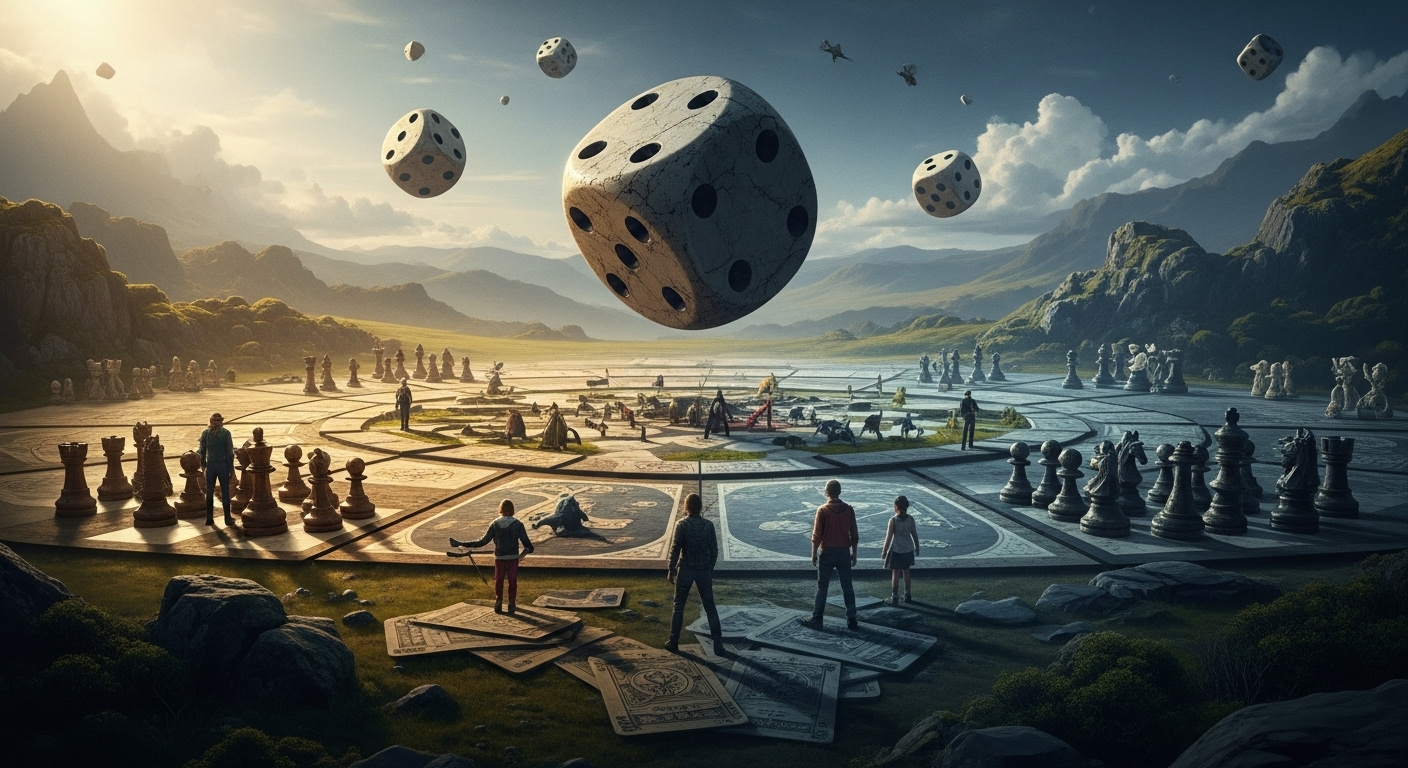
Games have been part of human life since the earliest civilizations. Long before digital screens existed, people played games to learn, compete, socialize, and entertain themselves. Whether carved into stone boards or imagined in open fields, games reflected creativity, strategy, and the human desire for challenge. In the modern era, games have grown into a powerful global industry, influencing technology, culture, education, and social interaction. Today, games are not merely a way to pass time; they are a defining element of contemporary life.
The Historical Roots of Games
The origins of games can be traced back thousands of years. Ancient societies developed board games, physical contests, and mental challenges that taught strategy, patience, and cooperation. These early games often reflected cultural values and social structures. As civilizations evolved, so did games, adapting to new tools, materials, and ideas. The core purpose, however, remained the same: to challenge the mind, bring people together, and provide enjoyment. This historical continuity shows that games are deeply embedded in human nature.
The Transition from Traditional to Digital Games
The arrival of digital technology marked a major turning point in gaming history. Simple electronic games introduced a new way to interact with challenges and rewards. Over time, technological improvements allowed for more complex mechanics, detailed graphics, and immersive sound design. Home consoles and personal computers brought gaming into everyday households, making it accessible to a wider audience. Today, games exist across multiple platforms, blending storytelling, competition, and creativity into interactive experiences that continue to redefine entertainment.
Why People Are Drawn to Games
Games appeal to people for many reasons. They provide a sense of achievement, allowing players to overcome obstacles and improve skills. Games also offer freedom, enabling players to explore worlds and make decisions without real-world consequences. For many, games serve as a form of escape from stress and routine, offering moments of relaxation or excitement. The structured challenges within games give players clear goals, instant feedback, and measurable progress, which can be deeply satisfying on a psychological level.
Cognitive Benefits of Playing Games
Games engage the brain in powerful ways. Strategy games enhance planning and decision-making skills, while puzzle games improve logic and problem-solving abilities. Action-based games can sharpen reflexes, coordination, and attention. Many games require players to adapt quickly to changing situations, strengthening cognitive flexibility. These mental exercises can translate into improved focus and analytical thinking in real-life situations, showing that gaming can be both enjoyable and mentally stimulating.
Emotional and Psychological Impact of Games
Beyond cognitive benefits, games also influence emotional well-being. Playing games can reduce stress by offering a sense of control and accomplishment. Story-driven games allow players to experience empathy by stepping into the lives of fictional characters. Emotional narratives can inspire reflection, compassion, and understanding. Multiplayer games can create feelings of belonging and teamwork. When enjoyed in balance, games can support emotional health and provide meaningful experiences that resonate long after gameplay ends.
Social Connection Through Games
Modern games have transformed social interaction. Multiplayer environments allow people from different parts of the world to collaborate and compete in real time. Players communicate, form teams, and build communities around shared interests. Games often become social spaces where friendships are formed and maintained. Even single-player games can spark discussions, fan communities, and creative expression. Gaming has become a new form of social language, connecting individuals across cultures and generations.
Games as a Creative Medium
Games are a unique blend of art and technology. Designers, writers, musicians, and programmers work together to create interactive worlds. Visual design, soundscapes, and narrative structure all contribute to the gaming experience. Unlike passive media, games allow players to influence outcomes, making creativity a shared experience between developer and player. This interactive nature positions games as a powerful artistic medium capable of storytelling, emotional depth, and innovation.
Educational Potential of Games
Games are increasingly recognized for their educational value. Learning-based games teach subjects such as mathematics, history, language, and science through interactive challenges. Simulation games allow players to experiment, make decisions, and observe outcomes in controlled environments. These experiences encourage active learning rather than passive memorization. Even entertainment-focused games develop skills like teamwork, communication, and leadership. As education evolves, games continue to prove their potential as effective learning tools.
The Rise of Competitive Gaming
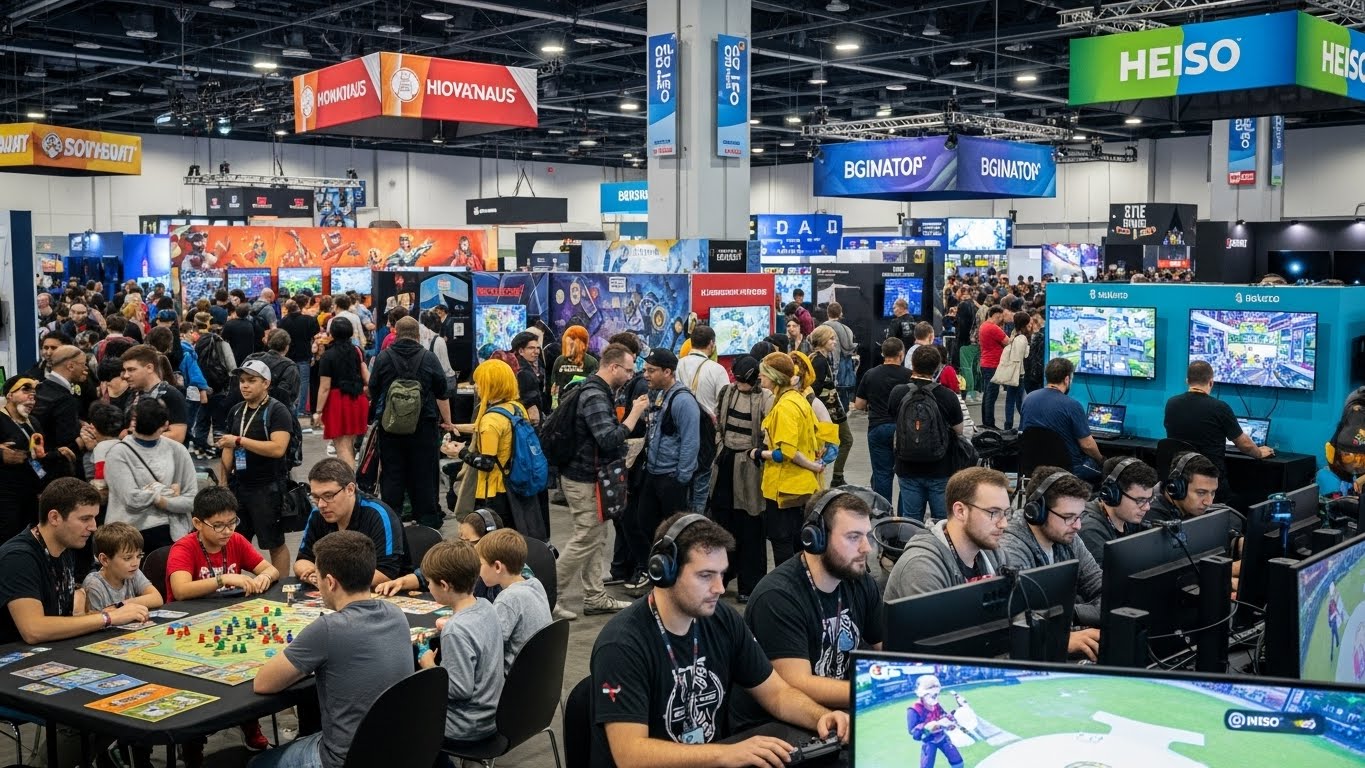
Competitive gaming has grown into a global phenomenon. Organized competitions attract large audiences and dedicated players who train rigorously to improve performance. Competitive games emphasize skill, strategy, and teamwork. This environment fosters discipline, perseverance, and adaptability. The rise of professional gaming has changed perceptions, showing that games can demand dedication comparable to traditional sports. Competitive gaming continues to expand, influencing media, entertainment, and youth culture worldwide.
Health and Balance in Gaming
While games offer many benefits, balance is essential. Excessive gaming can lead to physical strain, reduced activity, and disrupted routines. Responsible gaming involves setting limits, maintaining healthy habits, and prioritizing real-world responsibilities. Many modern games now encourage breaks, physical movement, and mindful play. When balanced properly, gaming can fit into a healthy lifestyle, complementing other activities rather than replacing them.
Cultural Influence of Games
Games have a strong impact on popular culture. Characters, stories, and visual styles from games influence fashion, music, language, and media. Gaming culture has inspired art, storytelling, and community events. Games also reflect social themes, exploring topics such as identity, ethics, and human relationships. As a cultural force, games both shape and respond to the values of society, making them an important mirror of the modern world.
Technological Innovation Driven by Games
Gaming has been a major driver of technological advancement. Innovations in graphics processing, artificial intelligence, and user interfaces often emerge from gaming development. Virtual and augmented reality technologies are expanding the boundaries of interactive experiences. These advancements extend beyond entertainment, influencing fields such as education, training, and simulation. The demand for richer gaming experiences continues to push technology forward, benefiting multiple industries.
The Future of Games
The future of gaming promises deeper immersion, personalization, and accessibility. Advancements in artificial intelligence will create more responsive and adaptive game worlds. Enhanced sensory feedback will make experiences more realistic. Games will continue to blend with social platforms, creative tools, and educational systems. As technology evolves, games will become even more integrated into daily life, offering new ways to learn, connect, and express creativity.
Games and Identity
For many players, games play a role in shaping identity. Players express themselves through character choices, play styles, and creative content. Games allow individuals to experiment with roles, decisions, and moral choices in a safe environment. This exploration can lead to greater self-awareness and confidence. Gaming communities also provide spaces where people feel understood and accepted, reinforcing a sense of belonging.
Conclusion: Games as a Meaningful Part of Life
Games are far more than entertainment. They are tools for learning, creativity, connection, and self-expression. From ancient board games to complex digital worlds, games have evolved alongside humanity, reflecting our curiosity and imagination. When approached thoughtfully, games enrich lives, challenge minds, and bring people together. As technology and creativity continue to grow, games will remain a powerful and meaningful part of human experience, shaping the future while honoring their timeless purpose.