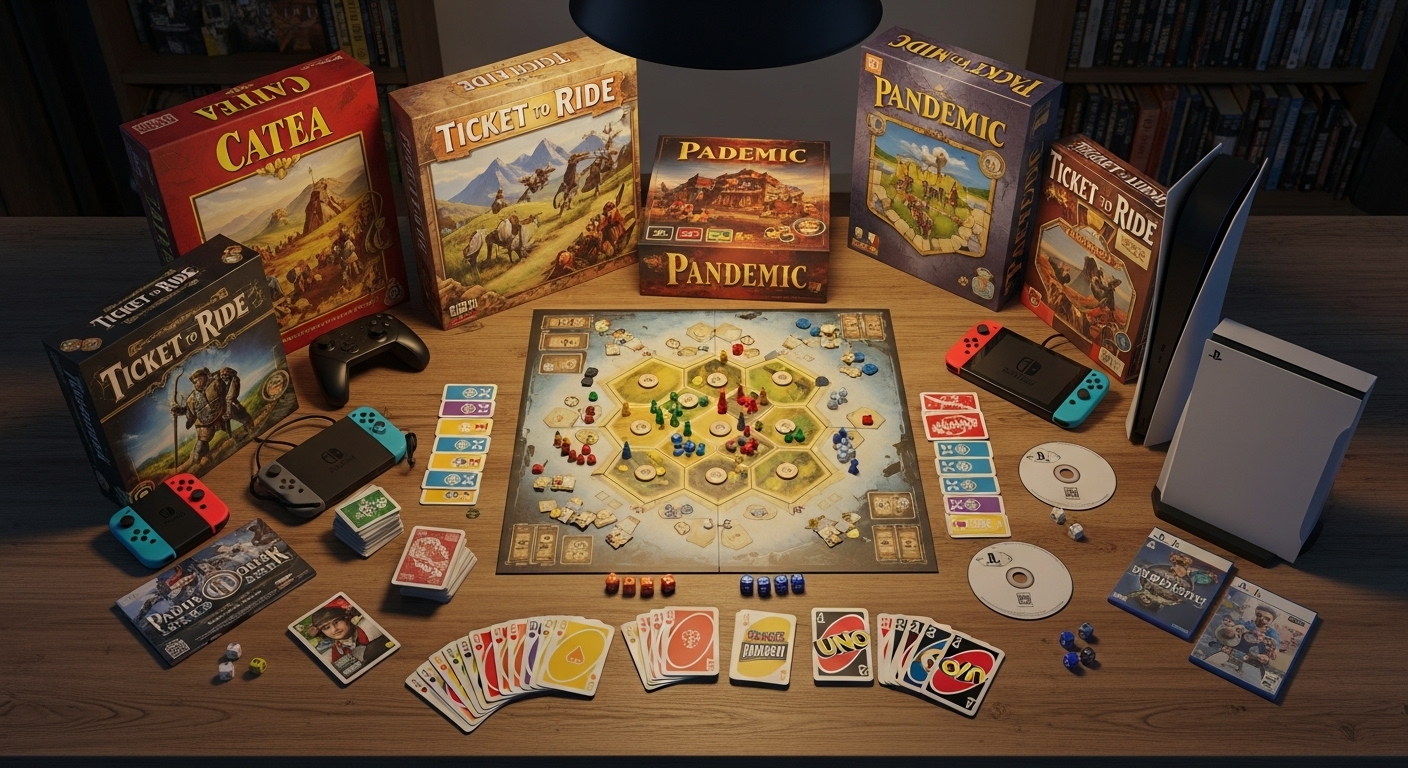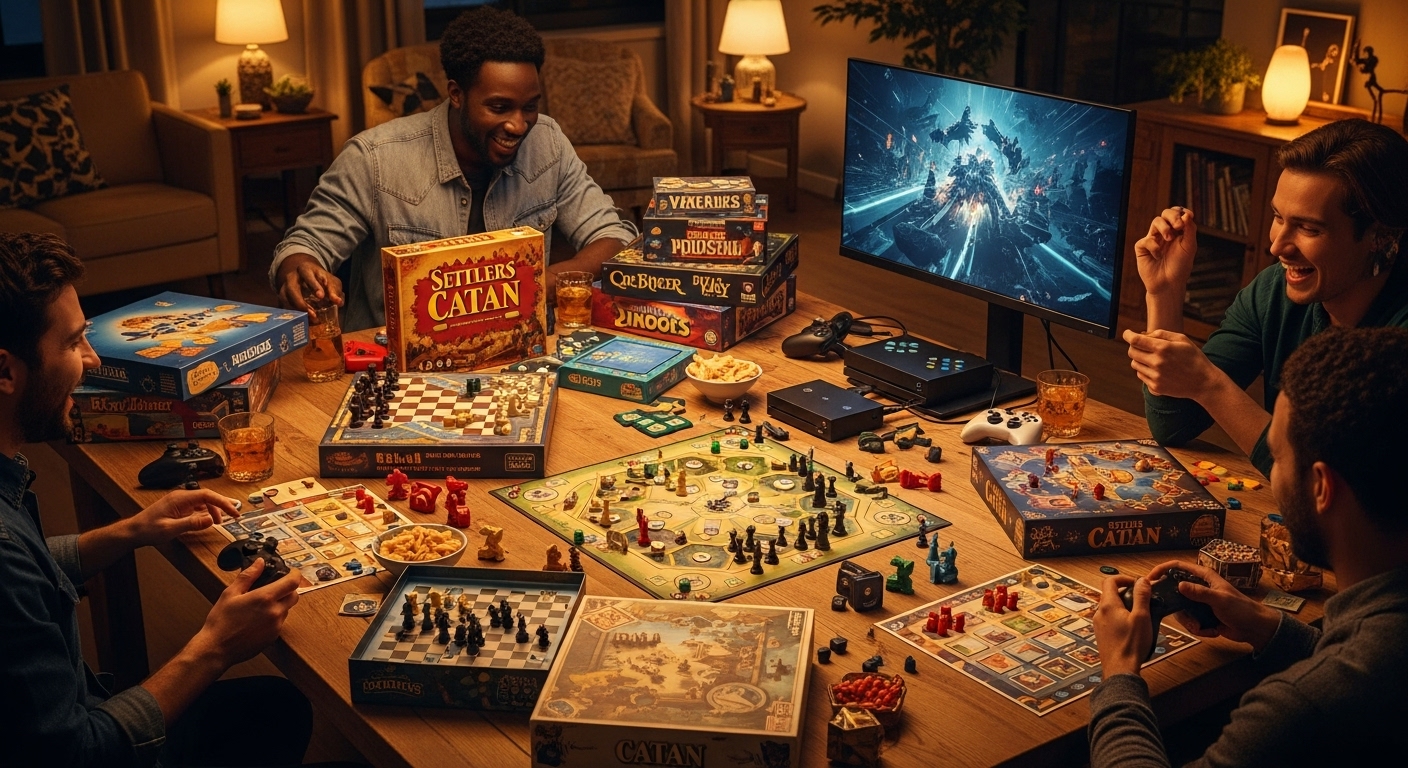
Games have always been an inseparable part of human life. From ancient board games played in royal courts to the modern digital universes that connect millions across the world, games have evolved into one of the most influential and creative aspects of culture. They are not merely a source of entertainment but also a way of learning, developing skills, and building social connections. The world of games is vast, ranging from simple childhood pastimes to competitive e-sports tournaments that attract global audiences. This blog explores the world of games in all its forms — their history, importance, types, psychological impact, and how they shape our society today.
The Origins of Games
Long before digital screens and consoles existed, games were part of daily human life. The earliest known games date back thousands of years. Archaeologists have found game boards carved in stone from ancient Egypt and Mesopotamia. Games like Senet and the Royal Game of Ur were played for both fun and spiritual significance. Many cultures used games as a way to teach strategy, improve decision-making, and even predict outcomes through luck or fate.
In ancient Greece and Rome, games were often tied to festivals and social gatherings. Gladiator contests, though violent, were a form of public spectacle, blending sport, strategy, and performance. In the East, traditional games such as Go in China and Pachisi in India focused on intellect and planning. Each culture, in its unique way, used games as a reflection of its values, beliefs, and way of life.
The Evolution of Games into Modern Times
As societies developed, so did the complexity and variety of games. The Middle Ages saw the rise of board and card games that could be played indoors, such as chess, which originated from India’s game “Chaturanga.” Chess became a symbol of intelligence and strategic mastery, widely embraced by European royalty and scholars.
The Industrial Revolution and the rise of mass production made board games accessible to everyone. Games like Monopoly, Scrabble, and Checkers became household staples. They provided families with entertainment and a way to spend quality time together. This era also saw the rise of organized sports — football, cricket, basketball, and many others — turning physical play into global competitions that united nations and inspired fans.
The Birth of Video Games
The twentieth century brought one of the biggest revolutions in entertainment history — the invention of video games. The first electronic games appeared in the 1950s and 60s, often created by scientists and engineers experimenting with computer technology. Pong, one of the earliest arcade games, became a sensation in the 1970s. It was simple — two paddles and a bouncing ball — but it changed entertainment forever.
As technology advanced, so did the imagination of developers. The 1980s and 1990s were the golden age of gaming. Iconic games like Super Mario Bros., The Legend of Zelda, and Sonic the Hedgehog captured hearts worldwide. Game consoles like the Nintendo Entertainment System and Sega Genesis became cultural landmarks. These games introduced storytelling, characters, and challenges that made players feel part of another world.
By the 2000s, games had evolved into massive, cinematic experiences. The rise of personal computers and the internet transformed gaming into a global network of shared experiences. Multiplayer games like Counter-Strike, World of Warcraft, and later Fortnite created communities that blurred the line between the virtual and real worlds.
Types of Games
Games today come in countless forms, each with its own appeal. Some test strategy, some test reflexes, while others focus on creativity or cooperation. Understanding these types helps us appreciate the depth of the gaming world.
1. Board Games
Traditional board games remain timeless. Titles like Chess, Ludo, and Catan continue to entertain people of all ages. They often teach strategy, patience, and planning. Modern board games also explore complex narratives and mechanics, making them more interactive and immersive.
2. Card Games
From Poker and Bridge to Uno and collectible card games like Magic: The Gathering, card games blend luck and skill. They are social and competitive, often played in family gatherings or tournaments.
3. Sports and Physical Games
Outdoor games like football, basketball, tennis, and cricket are vital for physical fitness and teamwork. They build discipline, endurance, and camaraderie. Sports are also a powerful cultural force, creating heroes and uniting communities through shared passion.
4. Video Games
Video games have become one of the largest industries in the world. They encompass numerous genres — action, adventure, simulation, racing, role-playing, and more. They provide escape, creativity, and even career opportunities for streamers, developers, and professional players.
5. Puzzle and Mind Games
Puzzle games like Sudoku, crossword puzzles, and mobile games such as Candy Crush stimulate cognitive function. They help improve memory, logic, and focus while providing quick bursts of fun.
6. Role-Playing Games (RPGs)
RPGs allow players to immerse themselves in fictional worlds. Whether in tabletop form like Dungeons & Dragons or digital versions such as Final Fantasy or The Witcher, these games focus on storytelling, exploration, and character growth.
7. Simulation Games
Simulation games recreate real-life experiences. Games like The Sims, Farming Simulator, and flight simulators allow players to experience different professions, lifestyles, or scenarios. They often combine entertainment with education.
8. Educational Games
Games are powerful tools for learning. Educational games teach math, science, language, and history through engaging activities. Children especially benefit from interactive learning, which enhances memory retention and curiosity.
The Psychological Impact of Games
Games influence our minds in many ways. They stimulate creativity, strategic thinking, and emotional intelligence. Playing games can help reduce stress, improve concentration, and boost mood through the release of dopamine — the brain’s reward chemical.
However, balance is essential. Excessive gaming can lead to negative effects like addiction, social isolation, and disrupted sleep patterns. Understanding moderation allows players to enjoy games responsibly.
Psychologists also study how games improve problem-solving abilities. For instance, strategy games enhance critical thinking and foresight. Multiplayer games develop teamwork and communication skills. Even fast-paced action games improve hand-eye coordination and decision-making speed.
In education and therapy, games are used to teach empathy and coping mechanisms. Virtual reality games, for example, are now helping patients recover from trauma, phobias, or physical injuries. This proves that games can be much more than entertainment — they can be instruments of healing and growth.
Games as a Cultural Phenomenon
Every generation has its signature games. For some, it was playing marbles or hopscotch on dusty streets. For others, it’s playing online battle royales or exploring fantasy realms with friends. Games shape memories and bring people together across cultures and languages.
Modern games often reflect societal issues and artistic expression. Story-driven titles explore topics such as identity, morality, and human connection. Indie games created by small teams often focus on personal storytelling, creativity, and emotional depth.
Gaming conventions, cosplay events, and streaming platforms have turned gaming into a cultural movement. Professional gaming, or e-sports, now attracts millions of viewers and offers career paths for players, commentators, and developers. The boundaries between spectator and participant continue to blur.
The Social Aspect of Gaming
Games connect people. Whether playing chess in a park or teaming up with strangers online, gaming encourages communication and collaboration. Online multiplayer games allow friendships to form between people from different countries, creating a sense of global community.
Games also strengthen family and friendship bonds. Parents play games with their children to spend quality time and teach valuable lessons about teamwork, patience, and fair play. Cooperative games especially highlight the importance of mutual support and understanding.
Even single-player games can spark shared experiences. Fans discuss strategies, share stories, and create online forums where they exchange tips and art. The gaming community thrives on creativity and mutual respect, even though competition can sometimes lead to toxicity — something the community continues to address through awareness and inclusivity initiatives.
The Business of Games
The gaming industry has grown into a multi-billion-dollar empire, surpassing even film and music in global revenue. Game development involves artists, programmers, writers, and sound designers working together to craft immersive experiences. The rise of mobile gaming has made games accessible to everyone, regardless of age or background.
Independent developers, or “indie” creators, have also gained prominence. They focus on innovation and artistic storytelling, often producing games that challenge conventions. Meanwhile, large studios continue to push technological boundaries with realistic graphics and complex artificial intelligence systems.
Microtransactions, downloadable content, and subscription models have changed how games are sold and maintained. While these methods generate revenue, they also raise questions about fairness and player satisfaction. The balance between creativity and commercialization remains a key discussion in the industry.
The Future of Gaming
The future of games is boundless. Emerging technologies like virtual reality (VR), augmented reality (AR), and artificial intelligence are transforming the gaming landscape. Players can now step inside virtual worlds, interacting with lifelike characters and environments.
Artificial intelligence is making games smarter and more adaptive. Games can now learn from player behavior, creating personalized experiences that evolve over time. Meanwhile, cloud gaming allows people to play high-quality games without expensive hardware, making gaming more inclusive.
In the coming years, we may see deeper integration between games and everyday life. Educational systems, workplaces, and even healthcare industries are using game-based tools to enhance motivation and performance. Games will continue to blend entertainment, education, and innovation in new and unexpected ways.
The Art of Game Design
Behind every great game is a creative team that combines art, technology, and psychology. Game designers build worlds, characters, and stories that captivate players. Sound designers create immersive soundscapes that heighten emotion, while writers weave narratives that make players feel connected to the experience.
Good game design balances challenge and reward. Players must feel engaged without being frustrated. Successful games encourage experimentation, creativity, and growth. Many designers also use symbolism and storytelling to explore complex themes such as morality, identity, and sacrifice.
Games and Education
One of the most powerful uses of games today is in education. Teachers are using gamified systems to make learning interactive. Educational games encourage curiosity and allow students to explore subjects through experimentation rather than memorization.
For example, simulation games can teach economics, management, or physics. Puzzle-based games enhance problem-solving, while adventure games develop reading comprehension and critical thinking. The interactive nature of gaming helps students retain information more effectively than traditional methods.
Conclusion: Why Games Matter
Games are more than entertainment; they are reflections of human creativity, curiosity, and connection. From ancient stones to virtual worlds, games have evolved alongside humanity, shaping how we think, learn, and interact. They bring joy, challenge our minds, and help us understand ourselves and others.
In a world often divided by differences, games remind us of what we share — the desire to play, explore, and achieve together. Whether it’s the laughter of children playing tag, the thrill of victory in an online battle, or the quiet satisfaction of solving a puzzle, games continue to enrich our lives in ways no other form of art or activity can.
The story of games is, ultimately, the story of humanity itself — forever evolving, endlessly creative, and full of wonder.