
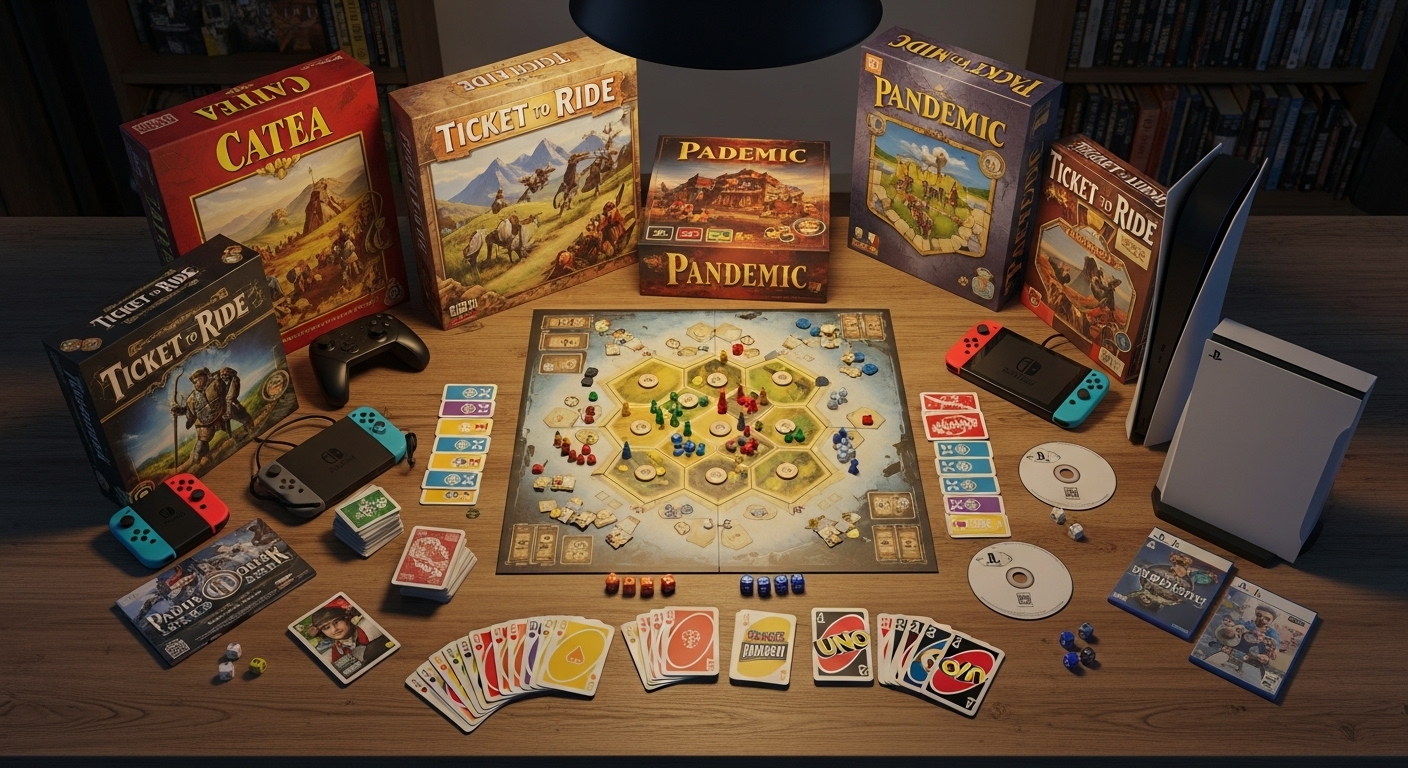
In the ever-evolving landscape of video games, there are countless titles that follow the well-trodden paths of popular genres, offering experiences that feel familiar and comforting. However, a select group of games dares to be different. These games take risks, break conventions, and offer players experiences that are unlike anything they’ve encountered before. Whether through innovative gameplay mechanics, distinctive art styles, or unconventional storytelling, these titles stand out as some of the most unique in the industry. This blog post dives into the world of unique video games and examines what makes them so special.
The Art of Innovation in Game Design
The foundation of any unique game lies in its design, which often challenges the norms established by the gaming industry. Traditional games, for instance, typically follow certain formulae. They have clear objectives, defined levels, and expected mechanics. While there’s nothing inherently wrong with this, it’s the games that push beyond these limitations that leave a lasting impact on the player community. One of the most remarkable things about unique games is that they often redefine what a game can be.
Games like Journey epitomize this spirit of innovation. In Journey, players take on the role of a robed traveler in a vast desert, with the goal of reaching a distant mountain. The entire experience is designed to evoke emotions such as awe, wonder, and introspection, with minimal text or dialogue. Instead, the game relies on its stunning visuals, atmospheric music, and smooth multiplayer interactions to tell its story. It’s a game that, without following traditional game design principles, manages to make a profound emotional impact.
Similarly, The Stanley Parable stands out as a narrative-driven exploration game that offers a unique take on storytelling. The player is placed in an office, only to be guided by a narrator who presents the story and the world. But unlike typical narrative games, The Stanley Parable offers the player a choice: follow the narrator’s instructions, or rebel against them. The game constantly subverts expectations, making it clear that the player’s actions have a direct impact on the course of the narrative. This self-aware approach to game design blurs the lines between player agency and narrative control, creating a one-of-a-kind gaming experience.
Blurring the Lines Between Art and Game
One of the hallmarks of unique games is the seamless integration of art and gameplay. While many games rely on visual effects and sound design to enhance the gameplay, unique games often make these elements integral to the experience itself. These games treat the gaming environment as an artistic canvas, where every element serves to amplify the emotional and narrative impact of the story.
Limbo is a perfect example of how art and gameplay can work in harmony. This black-and-white platformer is minimalistic in its design, relying heavily on shadows, light, and subtle animations to create an eerie and immersive atmosphere. The lack of color or dialogue does not detract from the game but instead enhances its haunting and otherworldly ambiance. Every frame of Limbo feels like a work of art, and players are continually engaged in the puzzle-solving mechanics that push them to think creatively.
Another game that beautifully blends art and gameplay is Inside, the spiritual successor to Limbo. While Inside shares many of the same artistic sensibilities, it expands upon them by introducing more complex environments and a darker, more mature narrative. The game’s visual storytelling is complemented by its atmospheric soundtrack, which further immerses players into its dystopian world. This combination of art, music, and gameplay creates a cohesive experience that feels more like an interactive movie than a traditional video game.
Pushing Boundaries with Gameplay Mechanics
In addition to innovative art design and storytelling, many unique games distinguish themselves by introducing new and unexpected gameplay mechanics. These games may experiment with new control schemes, alter traditional game rules, or create entirely novel ways of interacting with the virtual world.
Papers, Please is an excellent example of a game that challenges the conventional notion of what a video game can be. In Papers, Please, you take on the role of a border checkpoint officer in a fictional Eastern European country. Your job is to inspect documents, check for discrepancies, and decide whether people should be allowed to cross the border. While the mechanics are simple—mainly revolving around document inspection and decision-making—the ethical dilemmas presented by the game make it a gripping experience. Players must wrestle with their moral compass as they make decisions that impact the lives of the characters in the game.
On the opposite end of the spectrum, Katamari Damacy offers an entirely different take on gameplay. In this eccentric title, you control a sticky ball (the katamari) that rolls around collecting objects in the environment. As you collect more items, the katamari grows in size, and you can pick up even larger objects. The game’s absurd premise, coupled with its cheerful soundtrack and quirky art style, creates a surreal and highly entertaining experience. The core gameplay mechanic is simple but incredibly addictive, offering players hours of fun as they roll through wacky environments.
Unique Narrative Approaches
While most games rely on traditional narrative structures—clear protagonists, antagonists, and conflict—many unique games subvert these expectations by experimenting with storytelling. These games often leave players to interpret the narrative themselves, relying on environmental storytelling, symbolism, or player-driven choices.
The Witness is one such game that provides a unique approach to storytelling. In this first-person puzzle game, players find themselves on an island filled with intricate puzzles that they must solve in order to progress. While there’s no explicit narrative, the puzzles themselves slowly reveal a deeper story about the world and its inhabitants. The game’s design encourages players to pay attention to the environment and piece together the narrative through observation and deduction rather than dialogue or cutscenes.
In a similar vein, Braid takes a more abstract approach to storytelling. The game’s puzzles, which involve manipulating time, reflect the emotional and thematic core of the game’s narrative. As players progress through the levels, the story gradually unfolds, revealing a tale of love, regret, and the passage of time. The combination of the game’s mechanics and its narrative creates a thought-provoking experience that lingers long after the player has completed it.
The Influence of Unique Games
The impact of these unique games goes beyond their immediate popularity or critical acclaim. Many of these titles have influenced the broader gaming industry, inspiring developers to take creative risks and explore new ideas. Games like Journey, Papers, Please, and The Stanley Parable have paved the way for a new generation of indie developers, proving that innovative gameplay and storytelling can succeed without the need for big budgets or large development teams.
The success of these games has also influenced the way players approach gaming. With the rise of streaming platforms like Twitch and YouTube, many players are now more inclined to watch others play unique games to see what makes them so special. This has created a space for games that may not be mainstream hits but have a dedicated fanbase that appreciates their originality and depth.
Conclusion
Unique video games are a testament to the creativity and innovation that exist within the gaming industry. These games may not follow the traditional rules of game design, but that’s what makes them so memorable. From abstract art styles to thought-provoking narratives, these games break conventions and create new possibilities for what video games can be.
As the gaming landscape continues to evolve, we can expect to see even more groundbreaking titles that push the boundaries of gameplay, narrative, and artistic expression. Whether through experimental mechanics, bold storytelling, or striking visuals, these unique games prove that the world of video games is far from limited. It’s a space where anything can happen, and that’s what makes it so exciting to explore.