Gaming has come a long way since its humble beginnings in the 1970s. From simple pixelated games like Pong to the visually stunning and immersive experiences of modern-day virtual reality (VR), video games have not only transformed in terms of graphics and gameplay but also in their cultural significance. Gaming has grown into a multibillion-dollar industry, influencing everything from entertainment to socialization and even education. This blog post explores the evolution of video games, the technological advances that have propelled them, and the cultural impact they’ve had across the globe.
The Origins of Video Gaming: From Simplicity to Complexity
The journey of gaming began in the early 1970s, when video games were nothing more than simple, text-based or rudimentary graphics-based programs. The first commercially successful arcade game, Pong, released in 1972 by Atari, is widely considered the spark that ignited the gaming revolution. While basic by today’s standards, Pong set the stage for the future of interactive entertainment. The game, which featured two paddles and a bouncing ball, captivated audiences with its novelty and simplicity.
Following the success of Pong, more complex games started to emerge, including Space Invaders and Pac-Man. The early 1980s saw an explosion of arcade games, which became a major part of popular culture. The focus at this stage was on creating fun, engaging gameplay that could keep players coming back for more, even if the graphics were limited and the gameplay was often repetitive.
As the technology improved, so did the complexity of video games. The introduction of home consoles like the Atari 2600 and the Nintendo Entertainment System (NES) brought gaming into living rooms across the world. These consoles were equipped with more powerful hardware, allowing for better graphics, sound, and more immersive gameplay experiences. Super Mario Bros., released on the NES in 1985, became a cultural phenomenon, setting the standard for platformers and shaping the future of the gaming industry.
The Rise of 3D Graphics and the Birth of Modern Gaming
The 1990s marked a pivotal shift in the gaming industry, with the introduction of 3D graphics. The arrival of consoles like the Sony PlayStation and Nintendo 64 allowed developers to create more visually sophisticated games that brought environments, characters, and objects to life in a way that had never been seen before.
Games like Super Mario 64 and The Legend of Zelda: Ocarina of Time showcased the capabilities of 3D graphics, offering players fully realized 3D worlds to explore. The gameplay experience became more dynamic, with deeper storytelling, exploration, and combat systems. The introduction of the PlayStation also marked the beginning of an era where gaming consoles became more than just devices to play games—they became a cultural phenomenon, with iconic titles such as Final Fantasy VII and Gran Turismo.
At the same time, the evolution of computer gaming was taking place. Personal computers offered even more power and flexibility than consoles, allowing for games with advanced graphics and increasingly complex gameplay mechanics. The success of games like Warcraft, StarCraft, and Diablo led to the rise of real-time strategy (RTS) and role-playing games (RPGs) as two of the most popular genres. As gaming communities grew online, the concept of multiplayer gaming began to take hold, setting the stage for the rise of online gaming in the years to come.
Online Gaming and the Explosion of Multiplayer Communities
The internet changed the gaming landscape forever in the late 1990s and early 2000s. For the first time, players were able to connect with one another across vast distances, competing and collaborating in real-time. Online multiplayer games like Quake, Counter-Strike, and Warcraft III allowed people to compete against or cooperate with friends and strangers alike. The rise of broadband internet also allowed for smoother, more stable online connections, making the multiplayer experience more enjoyable.
This period also saw the birth of massively multiplayer online role-playing games (MMORPGs), with World of Warcraft becoming one of the most successful and influential games of all time. Released in 2004, World of Warcraft attracted millions of players, creating a virtual world where players could engage in quests, fight monsters, and interact with each other in an ever-changing digital environment. MMORPGs, with their emphasis on community and cooperation, helped to cement gaming as a social activity that transcended geographical boundaries.
On consoles, Xbox Live introduced online multiplayer for the first time, while Sony’s PlayStation Network followed suit. These services allowed players to connect with one another across different games, fostering a sense of community that was once reserved for local multiplayer experiences.
The Technological Advancements Driving Gaming Forward
As gaming has evolved, so too have the technologies that power it. Modern video games benefit from cutting-edge hardware and software advancements, enabling richer, more immersive experiences. Here are some of the key technologies that are shaping the future of gaming.
Graphics and Realism: The Push for Hyper-Realistic Visuals
One of the most significant advancements in gaming technology has been the leap forward in graphics. The transition from 2D to 3D gaming in the 1990s laid the foundation for the visually stunning games we see today. Modern consoles like the PlayStation 5 and Xbox Series X are capable of rendering incredibly detailed environments, lifelike characters, and realistic lighting and shadows.
A technology called ray tracing has taken visual fidelity to the next level. Ray tracing simulates the behavior of light in a realistic way, creating more accurate reflections, shadows, and lighting effects. Games like Cyberpunk 2077 and Control have demonstrated the capabilities of ray tracing, offering players an experience that feels incredibly close to reality.
The push for 4K resolution and higher frame rates has also contributed to the drive for realism. The quest for hyper-realistic visuals continues, with next-generation gaming technologies such as real-time rendering and AI-powered graphics further enhancing the visual quality of games.
Virtual Reality and Immersive Experiences
The development of virtual reality (VR) has given gamers the opportunity to step inside their favorite games like never before. VR headsets like the Oculus Rift, HTC Vive, and PlayStation VR allow players to interact with the game world in three-dimensional space, creating a level of immersion that traditional gaming can’t match.
In VR, players are no longer confined to controlling a character with a joystick or mouse. Instead, they can physically move around, manipulate objects, and engage with the virtual environment as if it were real. Games like Beat Saber and Half-Life: Alyx showcase the potential of VR, offering experiences that are deeply engaging and immersive.
Artificial Intelligence and Dynamic Gameplay
Artificial intelligence (AI) is also playing a critical role in the evolution of gaming. NPCs (non-playable characters) in modern games are more intelligent than ever, thanks to advanced AI algorithms that allow them to adapt to player behavior and create dynamic experiences. Instead of following scripted patterns, NPCs in games like The Last of Us Part II and Red Dead Redemption 2 can react to player actions in a more lifelike and unpredictable way.
AI is also being used to create procedurally generated worlds, where game environments are generated on the fly, offering players endless variety. Minecraft and No Man’s Sky are great examples of games that use procedural generation to create expansive, unique worlds that keep players coming back for more.
The Influence of Gaming on Popular Culture
Gaming’s impact extends far beyond the screen, influencing art, music, movies, and even fashion. As gaming has become more mainstream, it has helped shape broader cultural trends and movements.
Esports: The Rise of Competitive Gaming
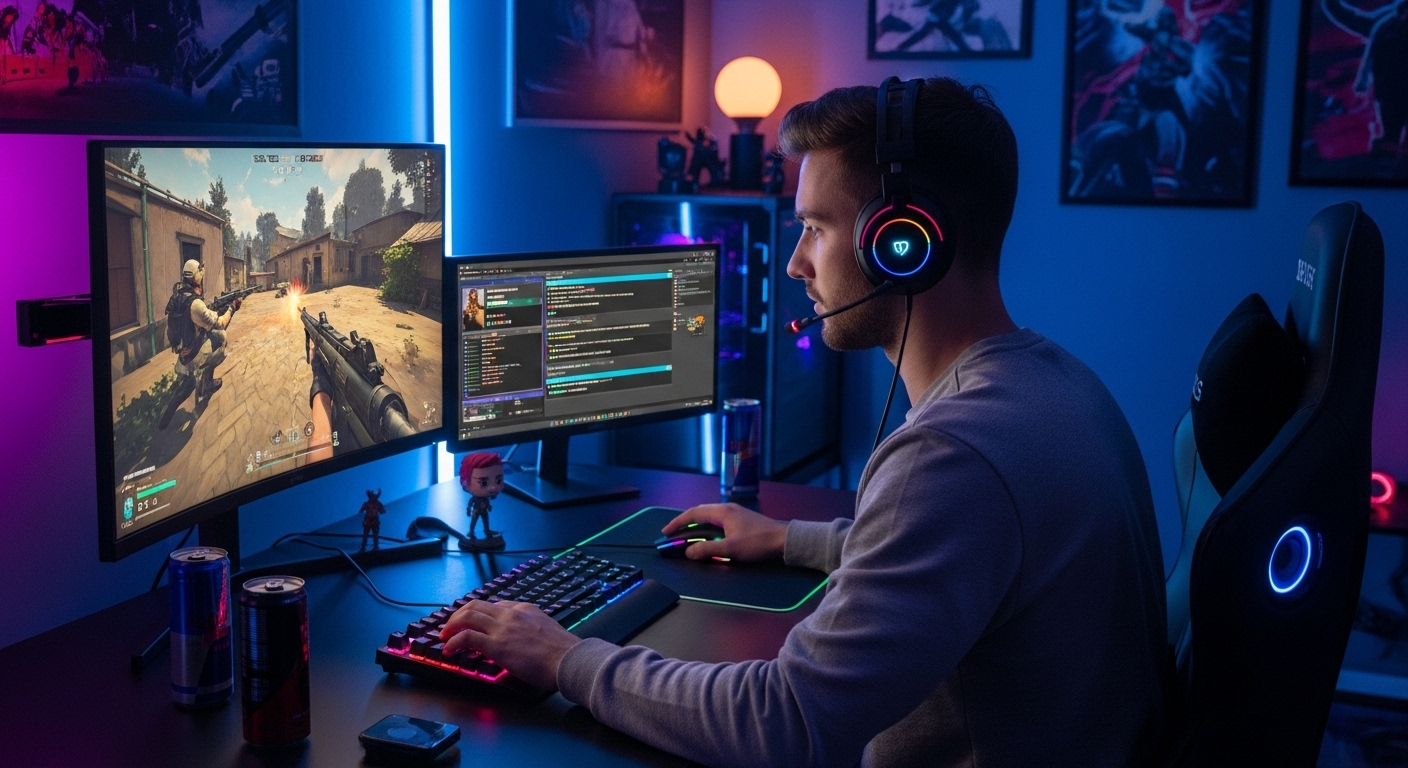
One of the most significant cultural shifts in recent years has been the rise of esports. Competitive gaming has grown into a massive industry, with professional players, teams, and tournaments drawing millions of viewers worldwide. Games like League of Legends, Dota 2, Fortnite, and Overwatch have become staples in the esports scene, with major tournaments offering multi-million-dollar prize pools and drawing thousands of spectators to live events.
The rise of esports has turned professional gamers into celebrities, with personalities like Ninja, Faker, and Shroud amassing huge followings on platforms like Twitch and YouTube. Esports has also brought gaming into the mainstream, with major brands and media outlets now paying attention to the competitive gaming scene.
Streaming and Content Creation
Streaming platforms like Twitch and YouTube Gaming have given rise to a new generation of content creators. Gamers can now stream their gameplay live to audiences around the world, offering a mix of entertainment, skill, and personality. Streamers like PewDiePie, Pokimane, and Ninja have become household names, with millions of followers tuning in daily to watch their content.
In addition to live streams, YouTube has become a hub for gaming content, including walkthroughs, reviews, and Let’s Plays. This content has helped to shape gaming culture and create a sense of community among players.
Gaming and Socialization
Online multiplayer games have become a primary means of socializing for many people. Games like Fortnite, Minecraft, and Among Us have not only provided a fun escape but have also become platforms for social interaction. Players can team up with friends, chat with others, and even meet new people from different parts of the world.
Gaming has increasingly become a shared experience, with players forming communities, participating in online events, and even engaging in social activism within gaming spaces. The social aspect of gaming has helped to break down geographical and cultural barriers, creating global communities united by a love for gaming.
The Future of Gaming: What Lies Ahead?
The future of gaming looks incredibly promising, with several emerging trends that are set to shape the industry in the coming years.
Cloud Gaming
Cloud gaming is one of the most exciting developments on the horizon. With cloud gaming services like Google Stadia and Xbox Cloud Gaming, players no longer need powerful hardware to play graphically intense games. Instead, games are streamed directly from servers, allowing gamers to play on a variety of devices, including smartphones, tablets, and low-end PCs.
Cloud gaming has the potential to democratize gaming, making it accessible to a wider audience. Players will no longer need to invest in expensive gaming consoles or PCs—an internet connection and a device with a screen will be enough to access the latest games.
AI and Procedural Content
As artificial intelligence continues to advance, we can expect even more dynamic, adaptive gameplay. AI-driven characters and environments will create increasingly personalized gaming experiences, where each player’s actions can impact the game world in meaningful ways.
Procedural generation will also allow for even more expansive and diverse game worlds, giving players endless opportunities to explore and discover new content. The future of gaming will likely involve vast, living worlds that evolve based on the player’s interactions with them.
The Metaverse
The concept of the metaverse is gaining traction as a new frontier for digital experiences. The metaverse promises to merge gaming with social media, entertainment, and virtual worlds, creating fully immersive digital spaces where players can interact, socialize, and create. Games like Fortnite and Roblox have already dabbled in this concept, hosting virtual concerts, events, and activities within their games.
The metaverse could revolutionize not just gaming but how we experience digital life as a whole, offering new ways to work, socialize, and entertain ourselves in virtual environments.
Gaming has come a long way, and as technology continues to evolve, the possibilities for what games can offer are limitless. Whether it’s through advanced graphics, innovative gameplay mechanics, or the rise of the metaverse, the future of gaming is bright, and the experiences that await are bound to be even more immersive and transformative.