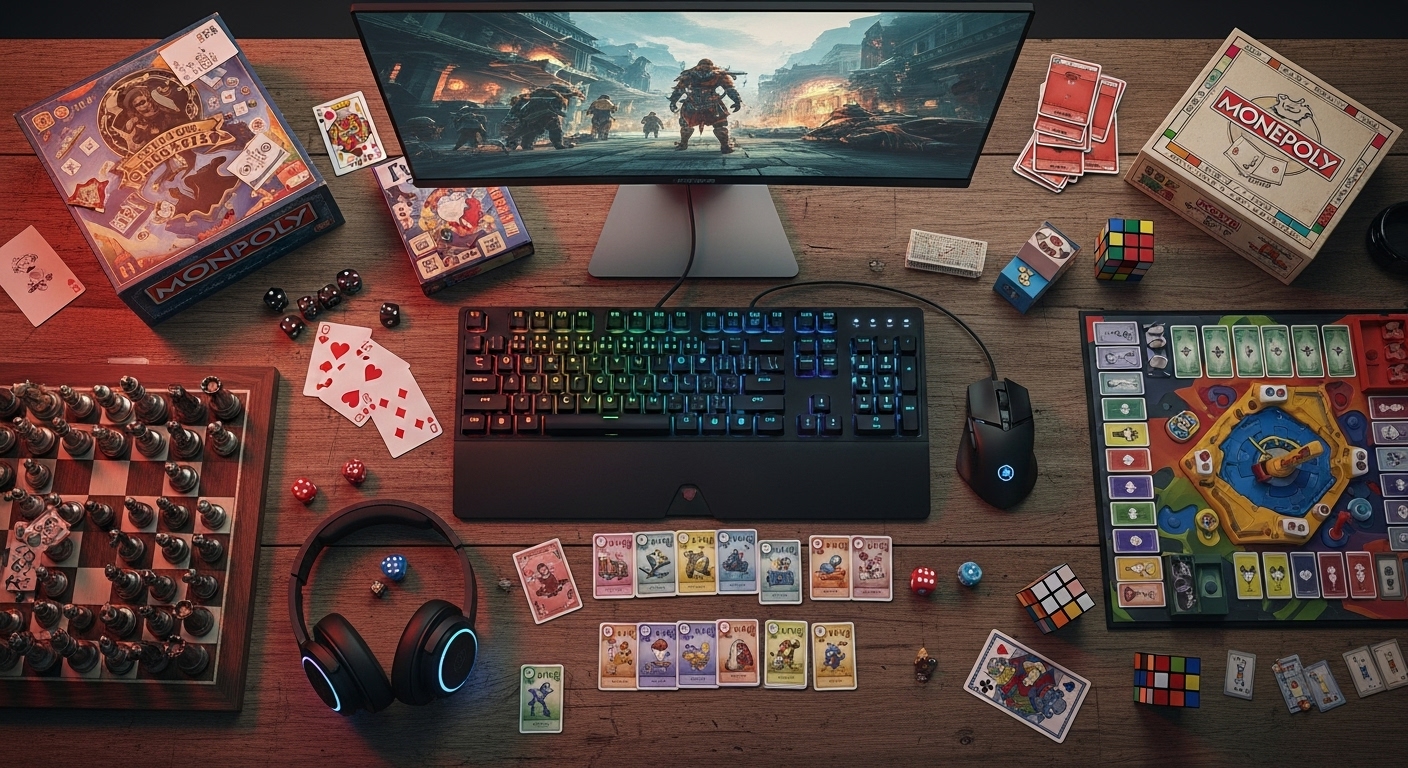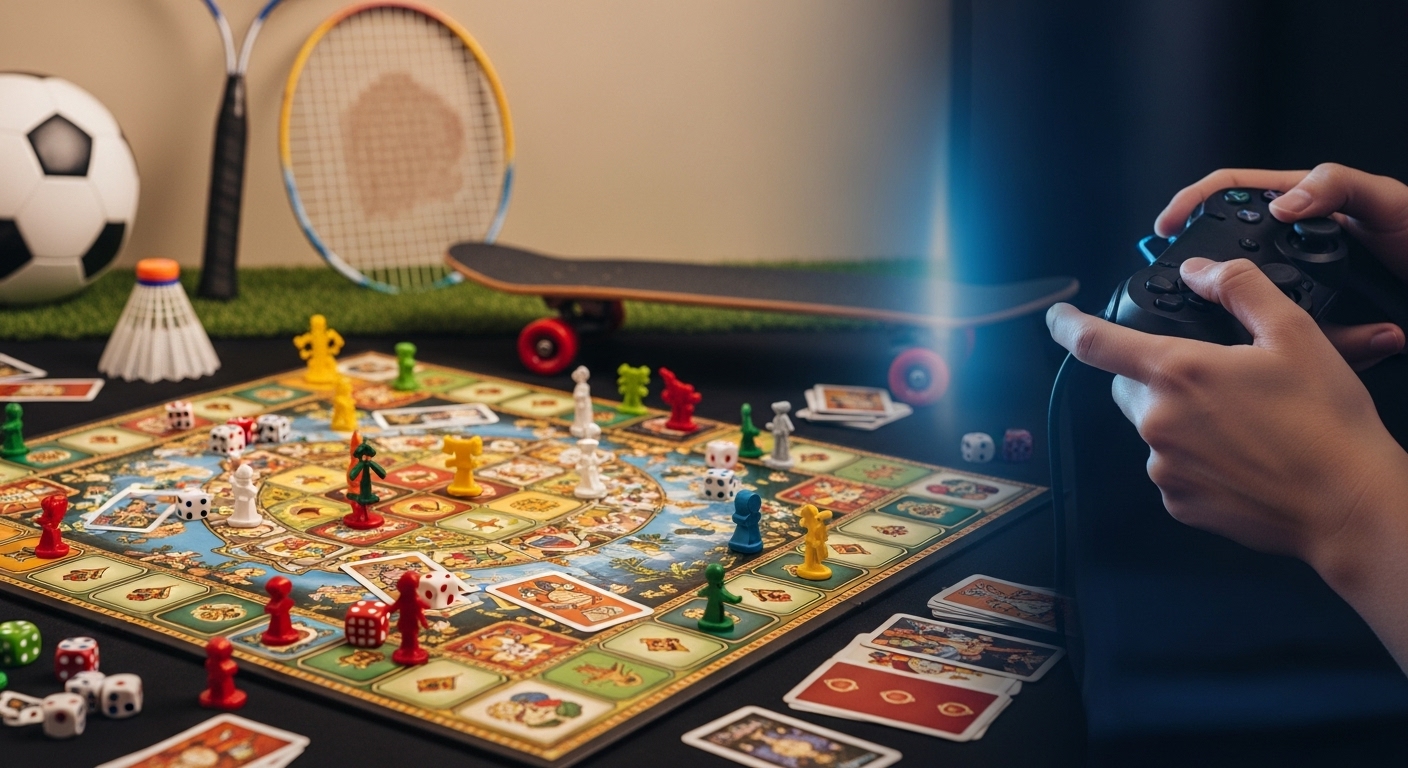
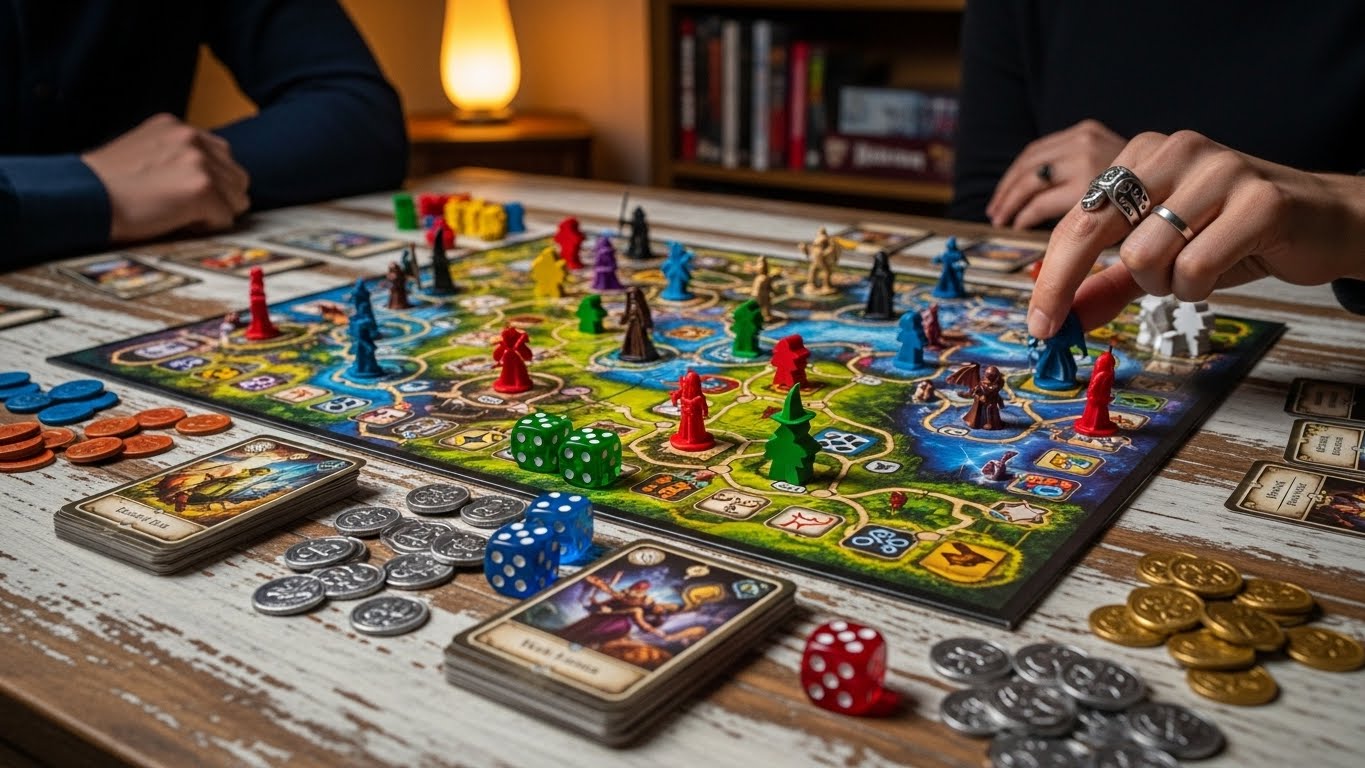
Games have always held a unique place in human culture. From ancient board games played on clay tablets to the immersive video games of today, the desire to engage, compete, and explore through games is universal. But what is it that makes games so captivating? Why do millions of people across the globe dedicate hours to virtual worlds, strategy puzzles, and physical competitions alike? In this blog, we’ll explore the allure of games, their evolution, and why they continue to play an integral role in entertainment, education, and personal growth.
The Evolution of Games: From Ancient Pastimes to Digital Adventures
Games have been a part of human civilization for thousands of years. Early games, such as Senet in Egypt and the Royal Game of Ur in Mesopotamia, were not just pastimes; they often held religious or social significance. These games were simple in design yet complex in strategy, providing entertainment while also promoting social interaction and critical thinking.
As centuries passed, games evolved alongside human society. Chess emerged as a symbol of strategic thinking, while card games like poker and bridge became a form of social entertainment and mental exercise. The invention of sports introduced physical games, allowing players to test their strength, agility, and teamwork. What all these games had in common was the ability to transport players into a structured world where rules, challenges, and goals provided purpose and excitement.
The real revolution came with the digital age. Video games transformed gaming from a physical and tabletop activity into a fully interactive and immersive experience. Early games like Pong and Pac-Man laid the foundation for modern gaming, introducing players to concepts like levels, scoring, and virtual challenges. Today, gaming is a multi-billion-dollar industry, producing titles that rival blockbuster movies in storytelling, graphics, and emotional impact.
Why Games Captivate the Mind
At their core, games appeal to fundamental human desires: the need for challenge, achievement, and social connection. One of the most compelling aspects of gaming is the sense of accomplishment it provides. Whether completing a difficult puzzle, defeating a formidable opponent, or achieving a high score, players experience a tangible reward for their effort. This sense of mastery triggers the brain’s reward system, releasing dopamine and creating feelings of pleasure and motivation.
Games also offer a unique opportunity for escapism. In a game, players can step into entirely new worlds, adopt different identities, and explore scenarios that may be impossible in real life. Whether wandering through the expansive landscapes of an open-world adventure or navigating a complex narrative in a role-playing game, players are transported beyond their daily realities, offering a much-needed mental break and stimulation.
Furthermore, games foster social connection. Multiplayer games, whether cooperative or competitive, allow individuals to interact, communicate, and form communities. Online platforms have transformed gaming into a social experience, where friendships can form, teamwork is celebrated, and rivalries add excitement to the virtual arena.
Different Types of Games and Their Unique Appeal
Games are not a monolith; they encompass a wide variety of genres, each with its own appeal and audience. Understanding these categories helps explain why gaming resonates with so many people.
Strategy Games
Strategy games challenge players to think critically, plan ahead, and make tactical decisions. From turn-based board games to real-time strategy video games, these experiences test intellect and foresight. Classic examples include games like Risk and StarCraft, where players must manage resources, predict opponents’ moves, and adapt to ever-changing scenarios. The appeal lies in the mental stimulation and satisfaction of executing a well-thought-out plan successfully.
Role-Playing Games
Role-playing games (RPGs) immerse players in rich narratives where they assume the identities of characters with unique abilities, goals, and backstories. These games encourage creativity, decision-making, and emotional engagement. Titles like Final Fantasy and The Witcher series allow players to make choices that impact the story, offering a personalized experience. The depth of storytelling and the freedom to explore complex worlds make RPGs deeply engaging.
Puzzle and Brain Games
Puzzle games focus on problem-solving and logical thinking. They range from simple mobile games like Sudoku and Candy Crush to more complex titles like Portal and The Witness. These games provide mental stimulation, encouraging players to think critically, recognize patterns, and solve challenges. Puzzle games are appealing because they offer a sense of achievement while exercising the brain, making them both fun and beneficial.
Sports and Simulation Games
Sports games and simulations recreate real-world activities in a virtual environment. From football and basketball games to city-building simulations, these experiences allow players to test skills, make strategic decisions, and explore scenarios that mirror real life. Sports games offer a competitive thrill, while simulation games appeal to those who enjoy planning, management, and creativity. Both types provide immersive experiences that combine entertainment with practical skills.
Adventure and Exploration Games
Adventure games are all about exploration, storytelling, and discovery. Players traverse vast landscapes, solve mysteries, and engage with intricate plots. Games like The Legend of Zelda and Assassin’s Creed exemplify this genre, blending exploration with action and narrative. The thrill of uncovering hidden secrets and the joy of navigating complex worlds are central to the appeal of adventure games.
The Psychological Benefits of Gaming
Contrary to some outdated stereotypes, gaming is not merely a leisure activity—it can have profound psychological and cognitive benefits. Research has shown that playing games can enhance problem-solving skills, improve memory, and boost hand-eye coordination. Many games also encourage multitasking, strategic thinking, and quick decision-making, skills that are transferable to real-world scenarios.
Moreover, gaming can provide emotional benefits. Story-driven games can foster empathy, allowing players to experience different perspectives and emotions. Cooperative games strengthen social bonds and teamwork skills. Even competitive games, when approached healthily, teach resilience, patience, and the ability to handle setbacks.
Gaming can also serve as a stress-relief tool. Engaging with an immersive game allows individuals to focus their attention on something enjoyable, offering a temporary escape from daily pressures. The sense of achievement and progress within a game can boost self-esteem and provide a feeling of control, which is especially valuable in a world that often feels chaotic.
The Social and Cultural Impact of Games
Games have evolved into a major cultural force, influencing art, media, and social interaction. Gaming communities form around shared interests, creating spaces where people can connect regardless of geographical boundaries. These communities are vibrant, offering forums for discussion, collaboration, and fan-created content. Esports, the professional competitive gaming scene, has further cemented gaming as a legitimate sport, with tournaments drawing millions of viewers worldwide.
Culturally, games reflect societal trends, values, and narratives. Many modern games tackle complex themes, from morality and identity to politics and environmental issues. In this way, games are not just entertainment—they are a medium for storytelling, artistic expression, and social commentary.
Gaming as an Educational Tool
Games are increasingly recognized for their educational potential. Educational games and gamified learning experiences engage students in ways traditional methods may not. By incorporating elements of challenge, reward, and interactivity, games can make learning more engaging and memorable. Subjects like mathematics, history, and science have all been effectively taught through well-designed games, proving that play and learning are not mutually exclusive.
Simulation games are particularly effective for skill development. Flight simulators, medical simulations, and business strategy games provide realistic experiences that teach practical skills in a safe, controlled environment. The combination of immersive storytelling, problem-solving, and hands-on experience makes gaming a powerful educational tool.
The Future of Gaming
The future of gaming promises even more innovation and immersion. Virtual reality (VR) and augmented reality (AR) are transforming the way players interact with games, creating fully immersive experiences where physical and digital worlds merge. Artificial intelligence is enhancing game design, making non-player characters more intelligent and adaptive, while procedural generation creates vast, unique worlds for players to explore.
Cloud gaming and cross-platform play are also expanding accessibility, allowing players to connect and compete without being limited by hardware. As technology continues to advance, games will become increasingly personalized, interactive, and socially connected, further blurring the line between reality and virtual experiences.
Conclusion: Why Games Will Always Matter
Games are far more than mere entertainment—they are a reflection of human creativity, intelligence, and social connection. They challenge us, inspire us, and provide a space where imagination and skill meet. From ancient board games to the most advanced virtual worlds, the magic of gaming lies in its ability to engage, educate, and transport players beyond the limits of everyday life.
In an era where technology and culture evolve rapidly, games remain a constant, reminding us that play is not just a pastime but a vital part of the human experience. Whether you are a casual player enjoying a simple puzzle or a dedicated gamer exploring expansive virtual realms, games offer something truly extraordinary: the chance to step into a world of endless possibilities.