Introduction: Why Games Matter
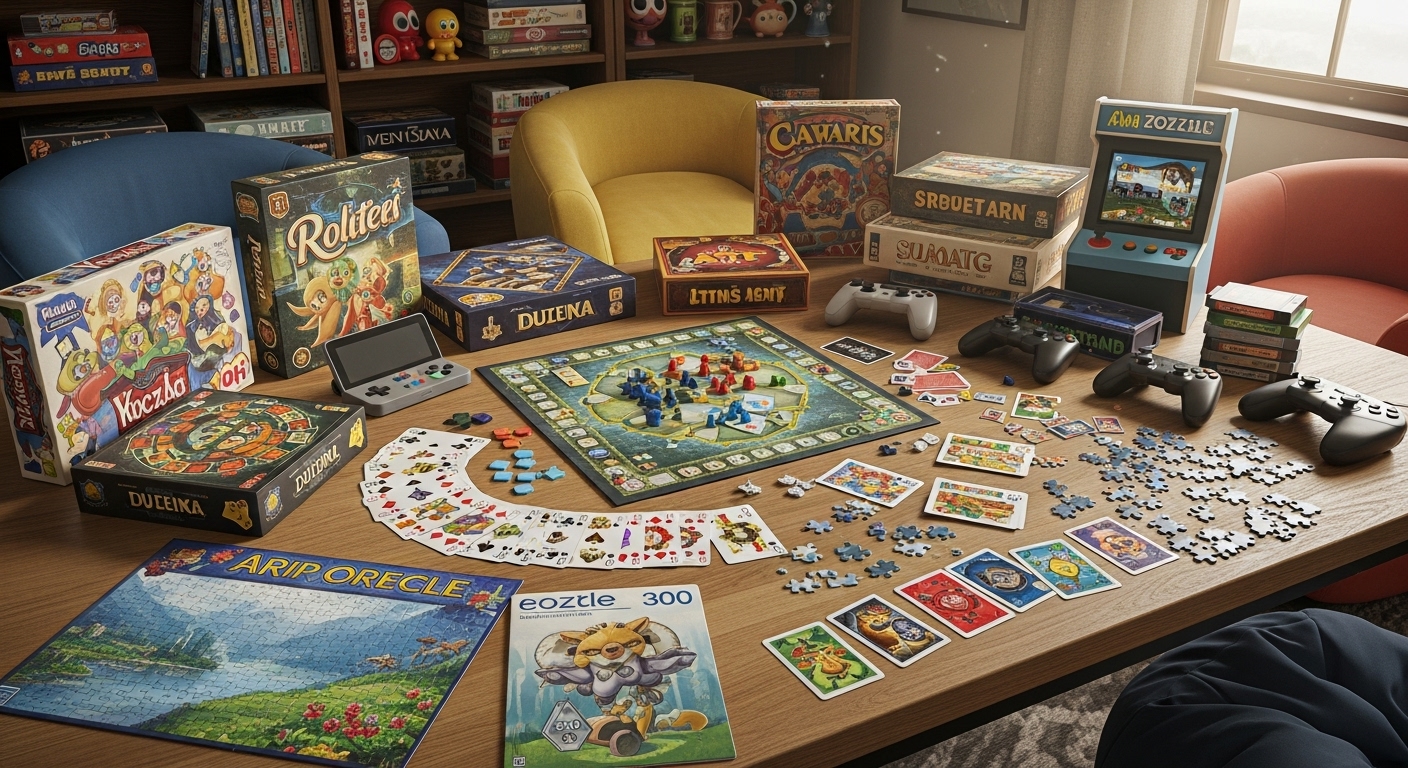
Games have been a part of human culture for centuries. From traditional board games to modern digital adventures, games offer more than just entertainment. They stimulate the mind, encourage social interaction, and provide a healthy escape from daily routines. Today, games are recognized not only as a source of fun but also as tools for learning and personal growth.
The Evolution of Games
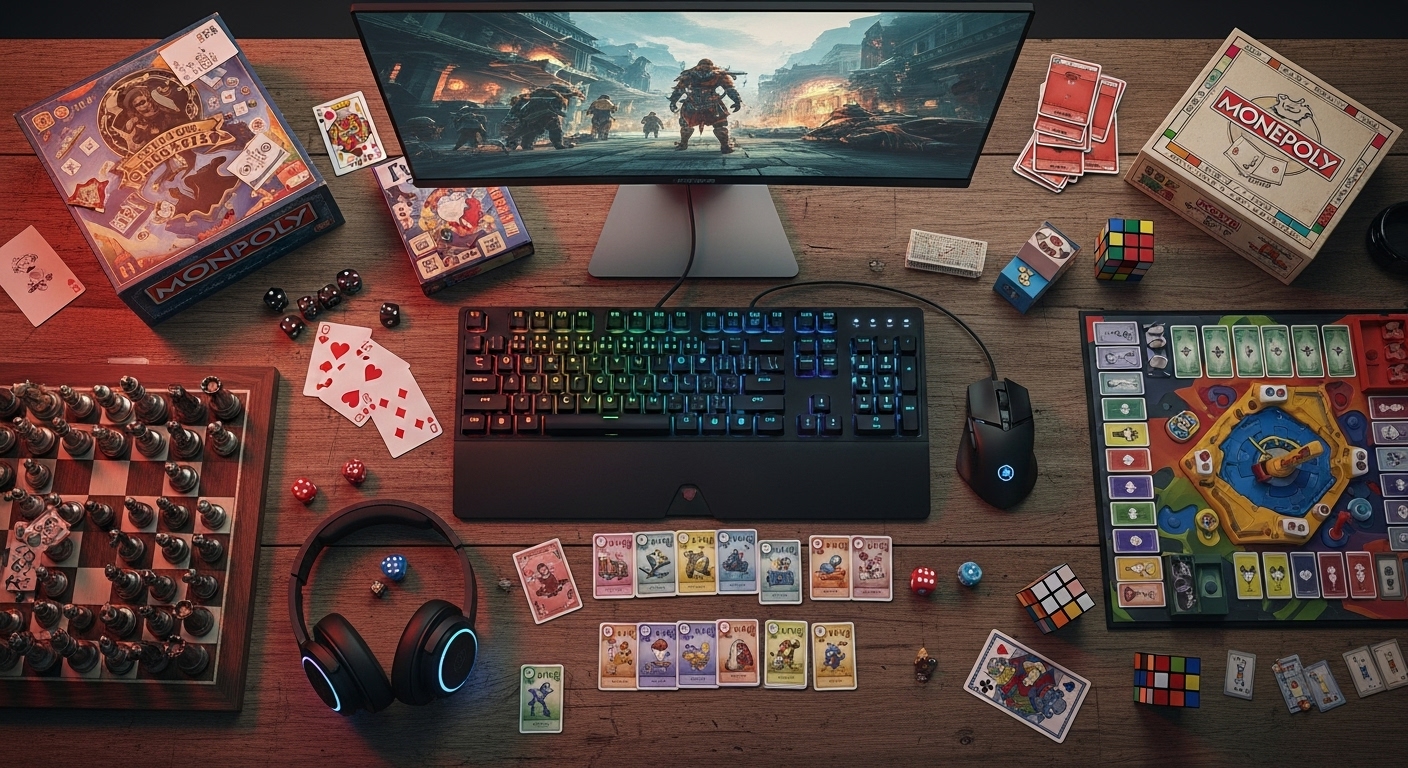
Games have evolved tremendously over time. Traditional games like chess, checkers, and card games have laid the foundation for strategic thinking and social bonding. In recent decades, video games and mobile games have transformed the way people play, offering interactive worlds, immersive stories, and real-time challenges. This evolution shows how games continue to adapt to technology and human creativity.
Social Benefits of Gaming
Games often bring people together. Multiplayer games, team challenges, and cooperative puzzles encourage communication, collaboration, and teamwork. Many players build lasting friendships through shared gaming experiences, making games a powerful platform for social connection and community.
Mental and Cognitive Benefits
Playing games can improve a variety of mental skills. Strategy games enhance problem-solving abilities, puzzles sharpen analytical thinking, and fast-paced action games improve reaction time and hand-eye coordination. Even simple games like word challenges or memory-based games can strengthen focus and memory retention.
The Rise of Competitive Gaming
Competitive gaming, or esports, has become a major phenomenon. Professional tournaments, live streaming, and online competitions have turned skilled players into global stars. Competitive gaming not only rewards talent and dedication but also demonstrates how games can offer real-world opportunities and career paths.
Games as Tools for Creativity and Learning
Many games encourage creativity and innovation. Sandbox games allow players to design worlds, build structures, and experiment with ideas. Educational games make learning enjoyable, helping players explore subjects like science, history, and mathematics in interactive ways. Games provide a hands-on, engaging approach to developing new skills.
Conclusion: The Enduring Power of Games
Games are far more than mere entertainment. They stimulate the mind, connect people, and inspire creativity. Whether enjoyed casually with friends or pursued competitively, games offer experiences that enrich our lives and fuel imagination. In every form, games remind us that learning, growth, and joy can coexist in playful ways.